
By Anabelle McKay, Staff Writer
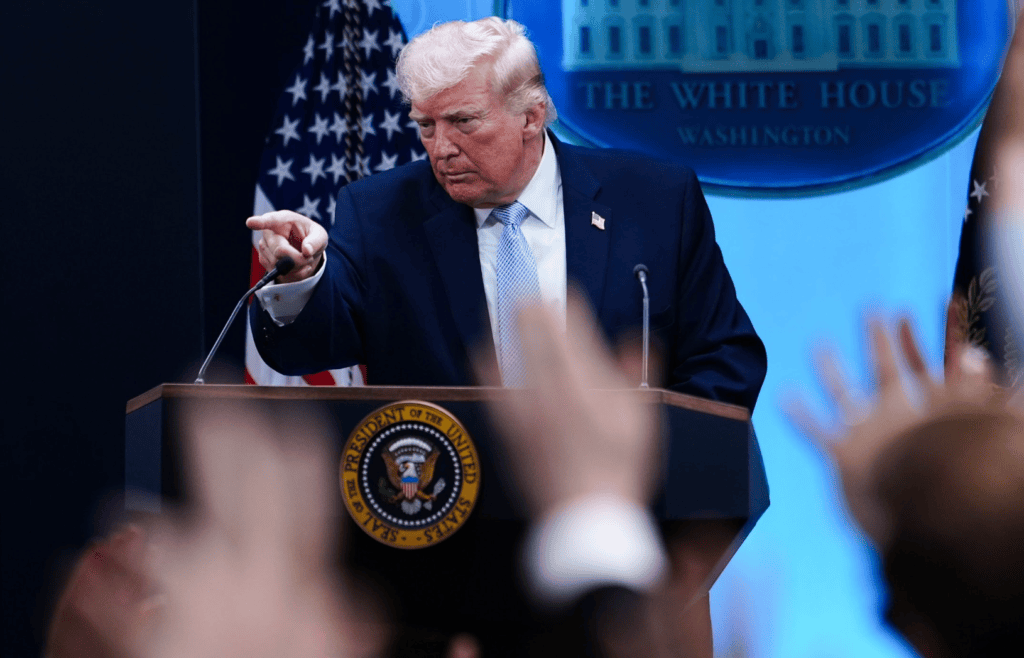
On September 18, President Trump barred CNN, Politico, and MS Now reporters from the White House, citing “fake news” and reawakening a decades-long debate about the First Amendment.
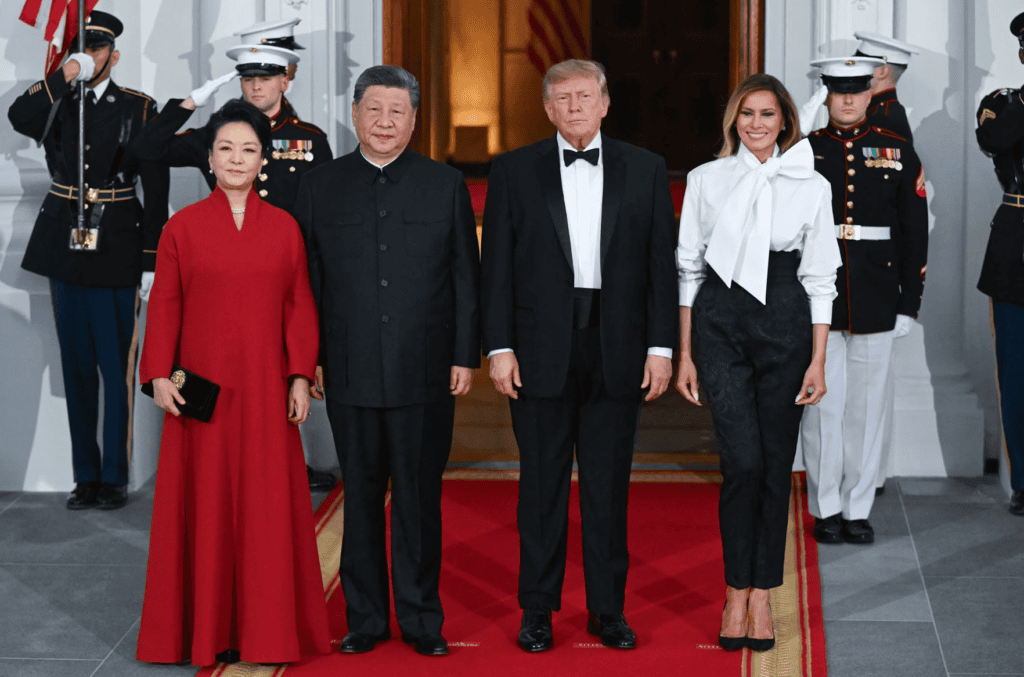
The morning of September 18, CNN’s Betsy Klein and MS Now’s Laura Barrón-López both had their White House passes declined upon entry. This change came just ahead of President Trump’s state dinner, which would commence Chinese President Xi Jinping’s visit to Washington, D.C.
CNN is part of the White House press pool, a group of five networks—CNN, ABC, Fox, CBS, and NBC—with rotating coverage of White House events. In solidarity with the banned networks, the remaining four pool members temporarily suspended White House coverage and refused to cover the state dinner.
To justify his decision, President Trump told reporters, “contrary to what the Fake News wants you to believe, they don’t just get to have free rein into every part of the White House, every event, and every press call.” He later amended his reasoning, claiming the ban was a matter of national security.
In a similar instance in 2025, a reporter from the Associated Press was barred from the White House by executive order after using the term “Gulf of Mexico” rather than “Gulf of America.” In response, AP sued President Trump, and, after over a year of appeals, the case is still open.
Challenging the recent ban, CNN, Politico, and MS Now immediately requested a joint emergency hearing. According to their attorney, Theodore Boutrous, President Trump’s ban was “retaliation and viewpoint discrimination, pure and simple,” and “a blatant violation of the First Amendment and due process.”
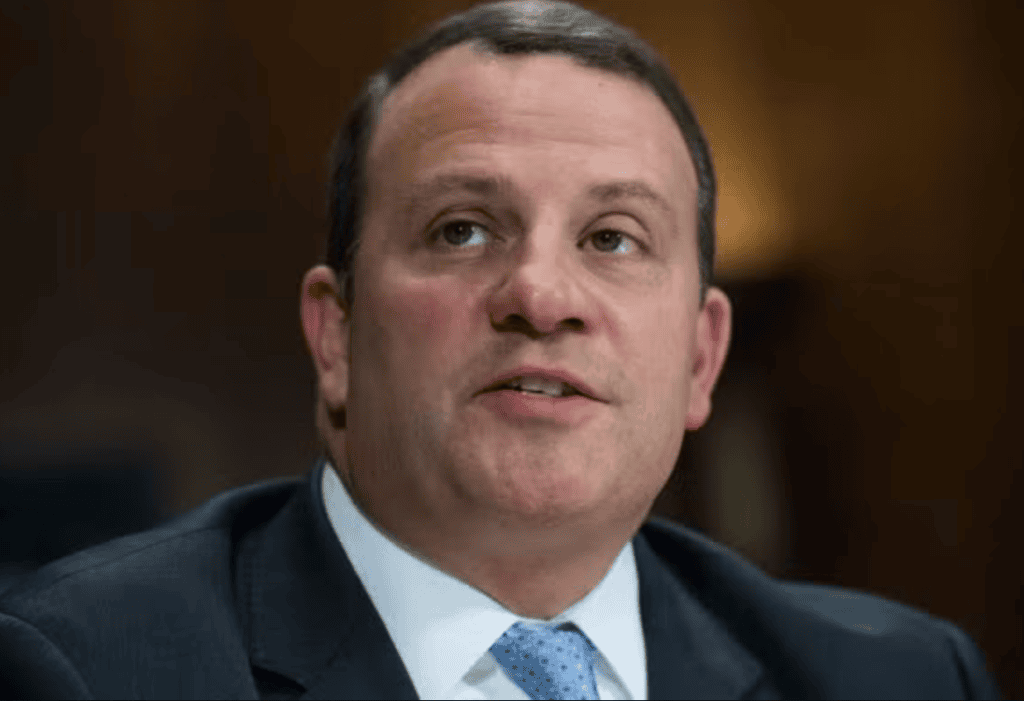
Judge Timothy J. Kelly, appointed by President Trump in 2017, presided over the hearing. During President Trump’s first term, Kelly served in another White House lawsuit involving the barring of a CNN reporter. Kelly ruled the ban unconstitutional and restored the reporter’s White House pass.
Judge Kelly ruled the same direction in last week’s hearing, placing a temporary restraining order on President Trump’s ban. Kelly instructed both sides to present official arguments for the case no later than October 5, unsure about the ban’s constitutionality.
Under the First Amendment, “Congress shall make no law respecting an establishment of religion, or prohibiting the free exercise thereof; or abridging the freedom of speech, or of the press…” It makes clear that these freedoms are never to be questioned, regardless of power or circumstance.
As a citizen of the United States, the President must—just like any other citizen—conform to the legal confines of the Constitution. Regardless, decades worth of presidents have contested press freedoms.
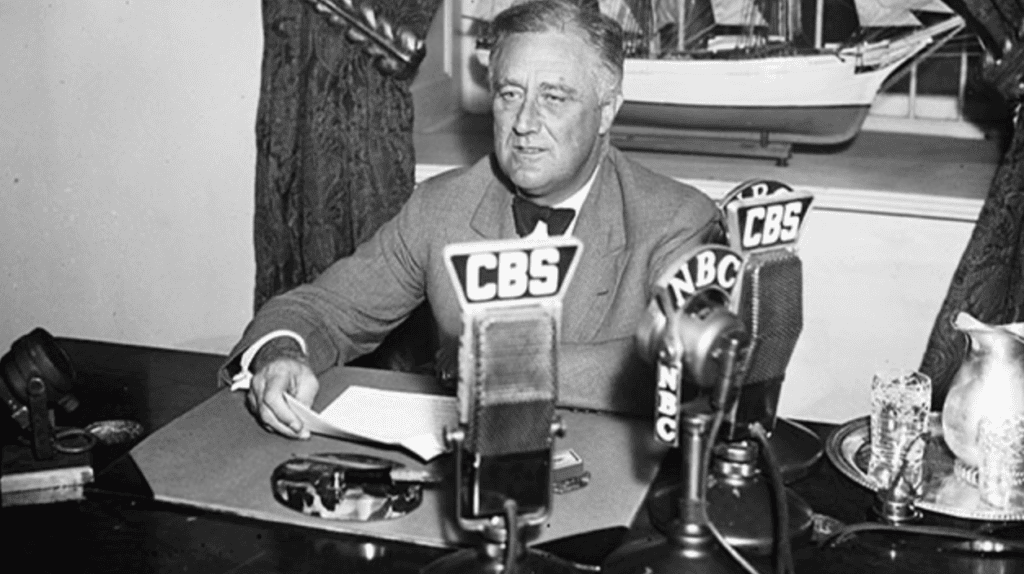
Among these is FDR, who ensured that the press kept his disability a secret and hid his wheelchair in photographs.
President Nixon routinely hid information from and restricted the press, particularly during initial Watergate investigations. President Obama attempted to restrict the reporting freedoms of Fox News, a right-leaning organization, for representing his presidency with a more critical lens.
However, no president has antagonized the press so severely—or successfully—as President Trump.
Regardless of political affiliation, this pattern may be a slippery slope. Presidential success in restricting the press would set a dangerous precedent of reinterpreting the Constitution. It might start with the press, but it may not stop with the press, and future presidents could increasingly restrict Constitution-given freedoms.
The Trump Administration’s official claim presented to Judge Kelly argued that CNN, Politico, and MS Now had published classified material, and were therefore “unprofessional” and a threat to national security. Justice department attorney Michael Velchik echoed their accusations, writing that “access to the White House is a privilege—not a right.”
At present, Politico has been denied access to Air Force One, and CNN has been barred from its pool coverage of the President’s trip to a football game in Knoxville, Tennessee, as well as various campaign events across the nation.
President Trump is pushing on with his banishment of reporters, and the lawsuit will remain open until Judge Kelly makes his final ruling. Afterward, it is likely that the Trump Administration will follow past practices and move to appeal any opposing verdict, bringing the case to a higher court.