


Written By Josephine Grey, Staff Writer
As California’s cost of living rises, young adults face growing financial pressures that threaten not only their independence but their mental well-being.
California, as America’s largest state by population, is known for its unique combination of near-perfect weather, geographical diversity, and vast economic opportunities. Its popularity began with the mid-1800s California Gold Rush, which triggered a global influx of permanent settlers. Afterwards, the Dust Bowl in the 1930s, a severe environmental and agricultural disaster that struck the American and Canadian Great Plains, influenced roughly 2.5 million people to abandon America’s breadbasket and move to western states. These two major events marked the beginning of California’s growth.
Once it became a more established state, pop culture and business opportunities began to shed new light on the lifestyle that California reflects today. From its expanding prestigious universities to its diverse communities, the state has attracted people seeking the stereotypical “American Dream” of personal liberty and prosperity.
However, beneath this facade of opportunity, there lies an increasingly difficult reality. With the population growing exponentially, the cost of maintaining a comfortable life in California is becoming increasingly out of reach. Alas, these growing financial pressures raises serious uncertainty about the psychological hardships young adults will likely have to bear.
The cost of living includes far more than housing. Everyday necessities, including: groceries, transportation, utilities, healthcare, and education, contribute to the financial demands placed on individuals and families. Although inflation affects communities nationwide, California’s relatively high housing and living expenses make financial stability especially challenging.

According to the Public Policy Institute of California’s September 2026 housing analysis, California rents are more than 30% higher than the national average. These expenses rapidly accumulate; young adults must budget an increasingly large share of their income to maintain a basic standard of living, leaving fewer resources for saving, recreation, and long-term financial security.
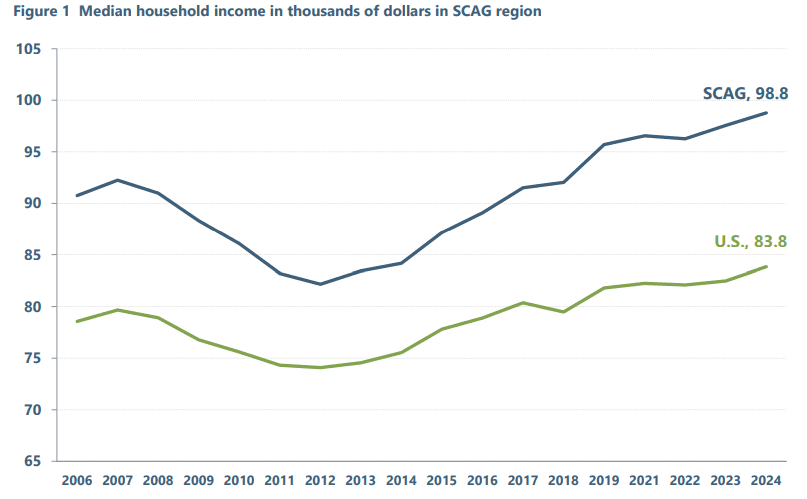
Among these expenses, the cost of housing remains one of the most significant obstacles to independence. Access to affordable housing directly affects whether young adults can establish households, relocate for employment, or pursue educational opportunities away from home. According to 2024 survey data analyzed by the Southern California Association of Governments, approximately 41% of households in Riverside County spend at least 30% of their income on housing. This financial pressure extends throughout Southern California, leaving little flexibility and undoubtedly feelings of distress.
Financial limitations can also extend into an individual’s social life. Social activities, maintaining friendships, traveling, and pursuing recreational interests often require disposable income. When financial obligations take priority, young adults may decline invitations or withdraw from activities they once enjoyed.
Over time, these limitations can affect their ability to maintain social connections and participate in experiences that contribute to personal development. Social isolation does not necessarily result from financial hardship, but economic circumstances can create barriers to meaningful social participation. This is especially true in young adulthood, when relationships and social experiences often play a key role in developing a sense of belonging and emotional support.
One particularly overlooked consequence of financial insecurity is its effect on cognitive functioning, specifically focus and motivation. Financial concerns do not necessarily remain confined to the moments when bills are due; they can occupy an individual’s attention throughout the day and bleed into their focus and motivation. Psychologists have studied how scarcity, or the persistent absence of necessary resources, can consume mental bandwidth. When individuals are preoccupied with financial obligations, they may have less cognitive capacity for other responsibilities, including academic performance and personal decision-making.
Another problem is access to mental health care for people who are struggling financially. Psychological support is especially useful when a person has been under stress for a long time. But such professional services usually have to be paid for and people may not have the money. Other barriers to care might be the cost of therapy, insurance limits, transportation and scheduling conflicts.
The UCLA Center for Health Policy Research’s 2024 study found that only 22% of adults experiencing unstable housing utilized mental health services, compared with 18% of adults with stable housing. While this difference does not establish why individuals did or did not seek treatment, it highlights the limited utilization of mental healthcare among people experiencing housing instability. When financial survival becomes an immediate priority, addressing psychological well-being may become increasingly difficult.
Another important psychological impact of rising living expenses is the impossibility of developing security about the future. With financial stability, people can budget for expenses, build a safety net for unexpected events, and plan for the future. Without that stability, the future becomes less predictable. Young adults may not go to college or make big personal commitments because they don’t know if they can afford it.
At the end of the day, housing prices, wages or affordability of everyday essentials aren’t the only ways to measure the cost of living. The consequences ripple into the psychological, social and developmental experiences of the people negotiating these expenses. California’s reputation as a land of opportunity is self-contradictory. The question is whether those opportunities still exist.