

By Zander Hix, Staff Writer
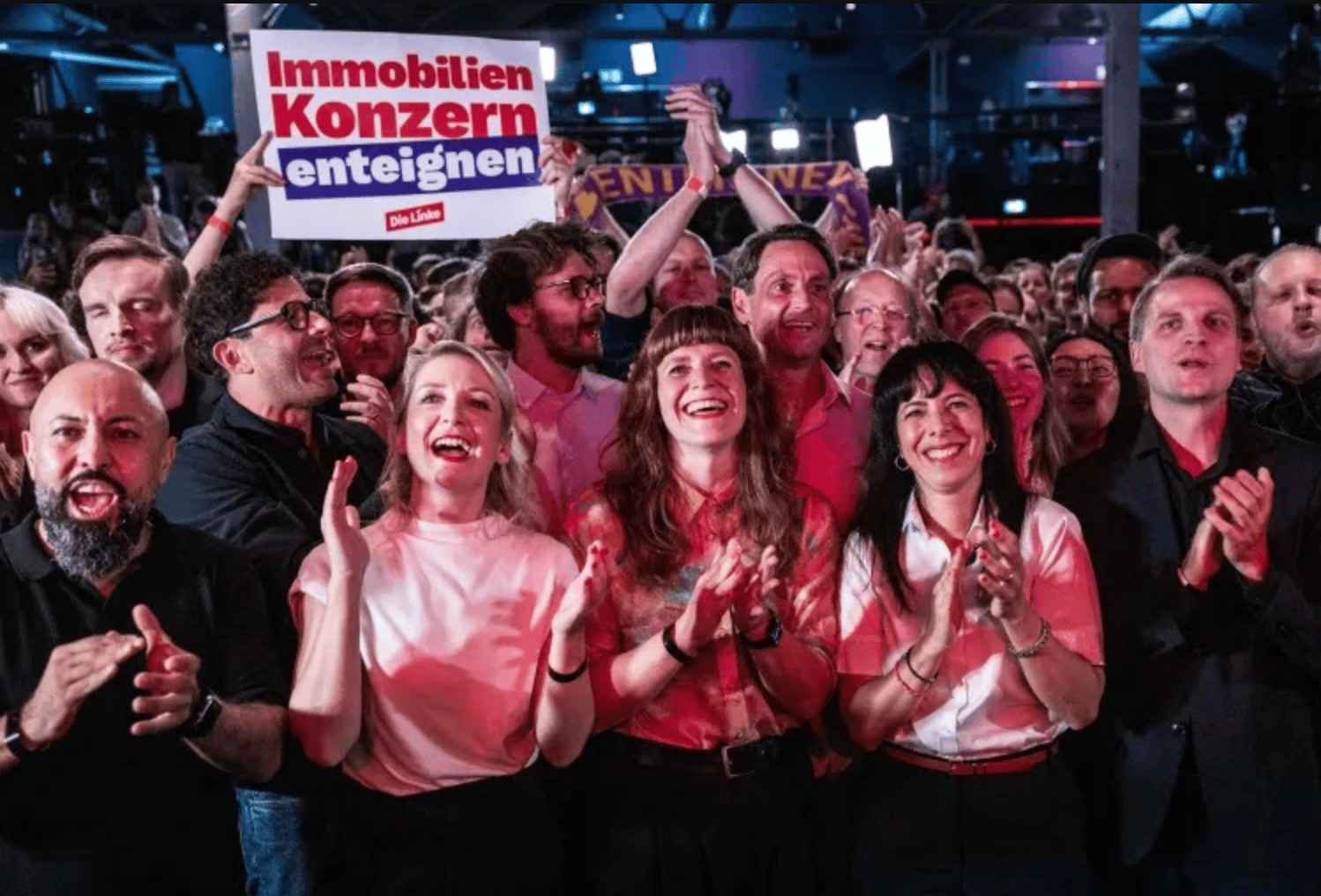
Berlin’s regional election shocks the world by paving the way for their first left-wing mayor since the fall of the Soviet Union.
On September 20, 2026, Germany’s capital, Berlin, held regional elections to decide the makeup of its Abgeordnetenhaus, or parliament, which elects a mayor to serve as leader of the region—becoming the head executive of state government and deciding local policy.
Berlin is administered in a different way than other German regions. As the country’s capital, the city holds a unique amount of power. As such, Berlin is one of three cities to be federally organized as a state, meaning, not only does its legislature pass state laws, but also city laws, making elections in the region all the more important.
Election results showed a seismic shift in public sentiment from just three years prior, with left-wing party Die Linke, or The Left, winning 45 seats—double their previous result of 22 seats—with the incumbent center-right party, the Christian Democratic Union, down to just 33 seats from their previous 52. The far-right party, Alternative for Germany (AfD), also showed massive gains—up to 29 seats from their previous 17—although some polls showed them in contention for first place. The German Green Party and Social Democratic Party both showed losses at 25 seats and 21 seats respectively.
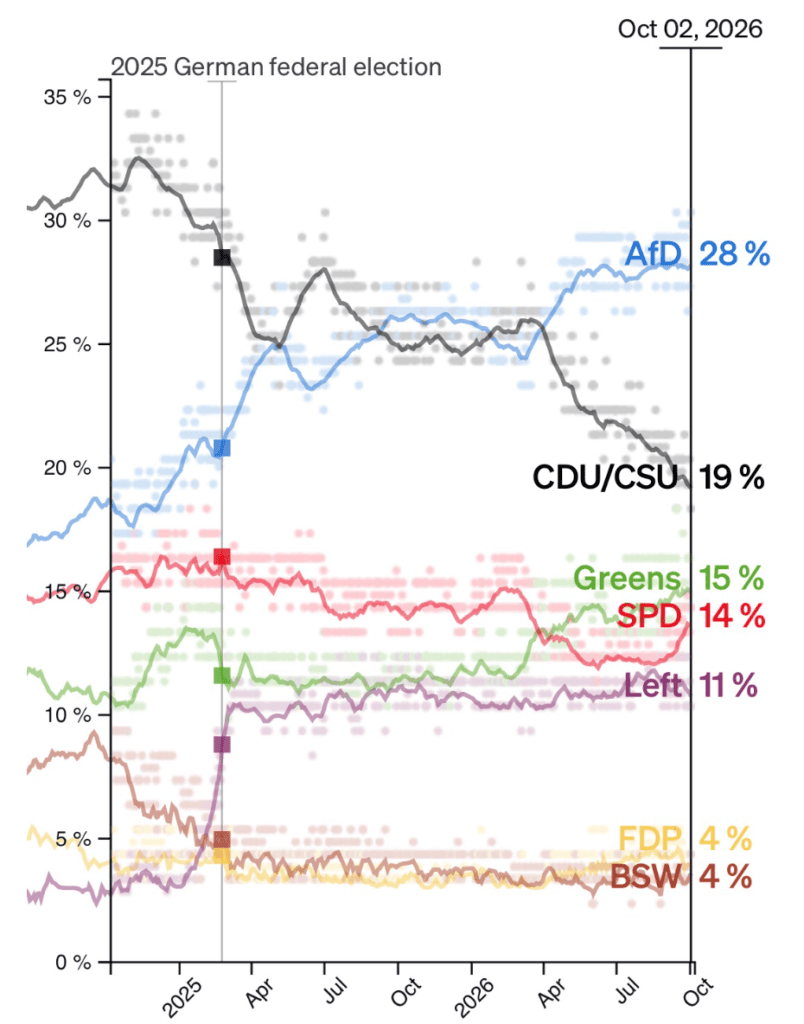
One thing is clear through the election results: there is major public discontent. The combined total of votes for parties considered radical is up to a massive 42%, from just 20.4% three years prior. The far-right party, Alternative for Germany, made unusual gains in Berlin considering the city’s history as a left-wing urban area.
Elections held on the same day in Mecklenburg, Vorpommern, the north-eastern most state in Germany, put the far-right AfD on top despite fierce opposition from all other parties and the mainstream media. This shift towards radical parties is reflected in national polling, which puts the far-right in the lead for the first time since 1945, the end of World War II.
Die Linke mayoral candidate Elif Eralp attributed her win to the public’s desire for a more affordable, inclusive, and dignified city, and a desire for radical policy changes. Since 2011 alone, the average price of net cold rents in Berlin has doubled, and the purchasing power of the Euro has fallen by roughly 29.7%. Elif Eralp and the Die Linke party plan to combat housing shortages by transferring roughly 220,000 apartments from private ownership to public ownership, and impose rent limits on publicly owned housing, which is largely characteristic of their democratic socialist ideals.
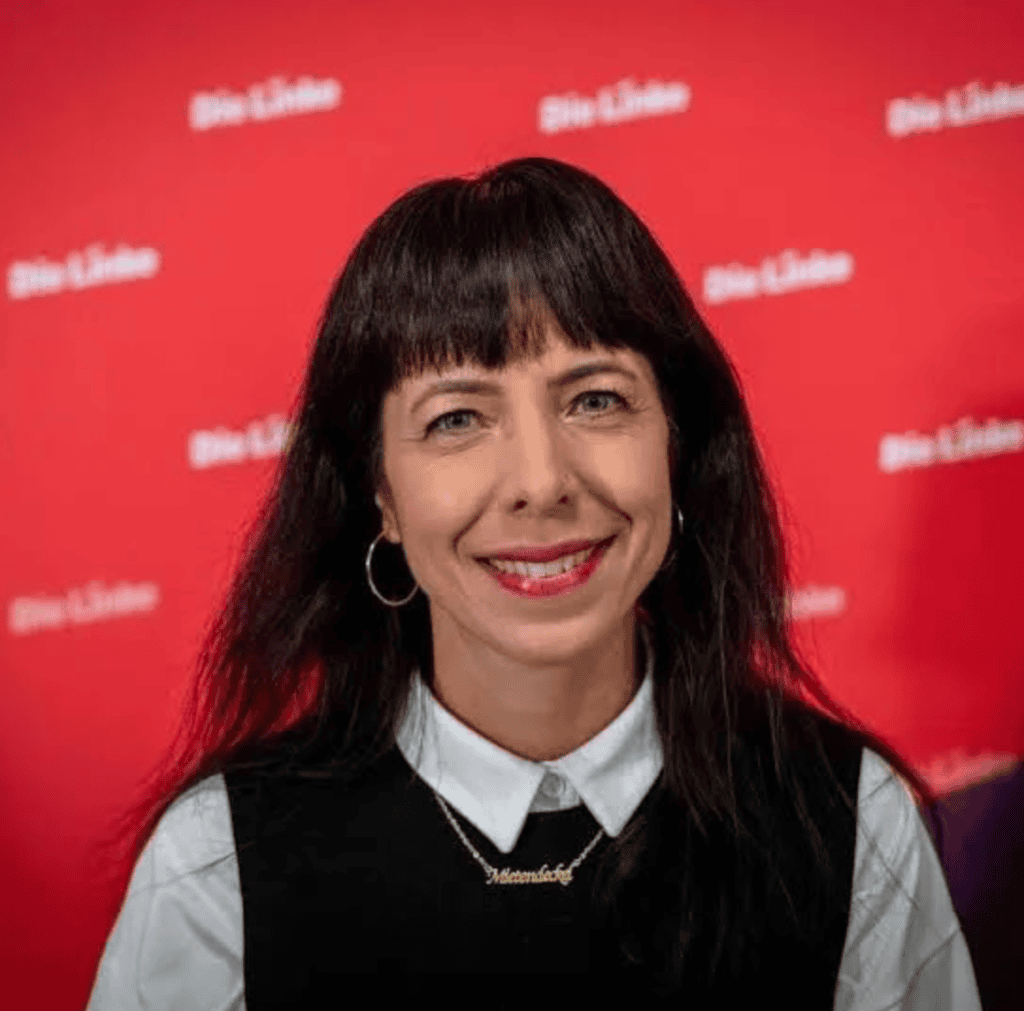
Comparisons between Die Linke mayoral candidate Elif Eralp and New York mayor Zohran Mamdani have already been made by many: both are insurgent candidates from a left-wing background, have a shared embracement of diversity despite a political climate discouraging such, and most importantly, have a unifying appeal to working class discontent through populist rhetoric that meets the voter at their door and on social media. The Guardian reports that Berlin is having a “Mamdani moment,” also noting that Mamdani campaign staff were summoned in Berlin to help Eralp’s campaign, showing real cooperation.
Although coalition agreements still need to be made to land Eralp the Berlin mayorship, the current status of coalition discussion shows that Eralp is likely to be made mayor and Die Linke will control state and local government. Time will tell just how successful Eralp’s aspirations are, but if Eralp follows Mamdani’s path, she may end up taking her insurgency national.