
By Gabrio Miranda, Staff Writer
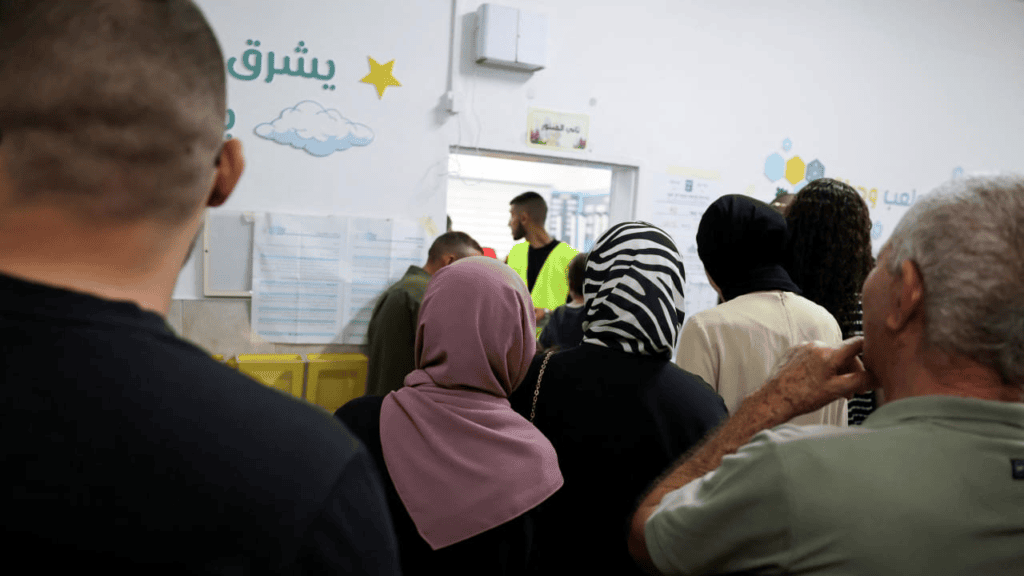
Voter-turnout causes Israel to face a parliamentary gridlock following the legislative elections on October 27th; a ‘spoiler effect’ is present with an Arab-led coalition taking 19 seats.
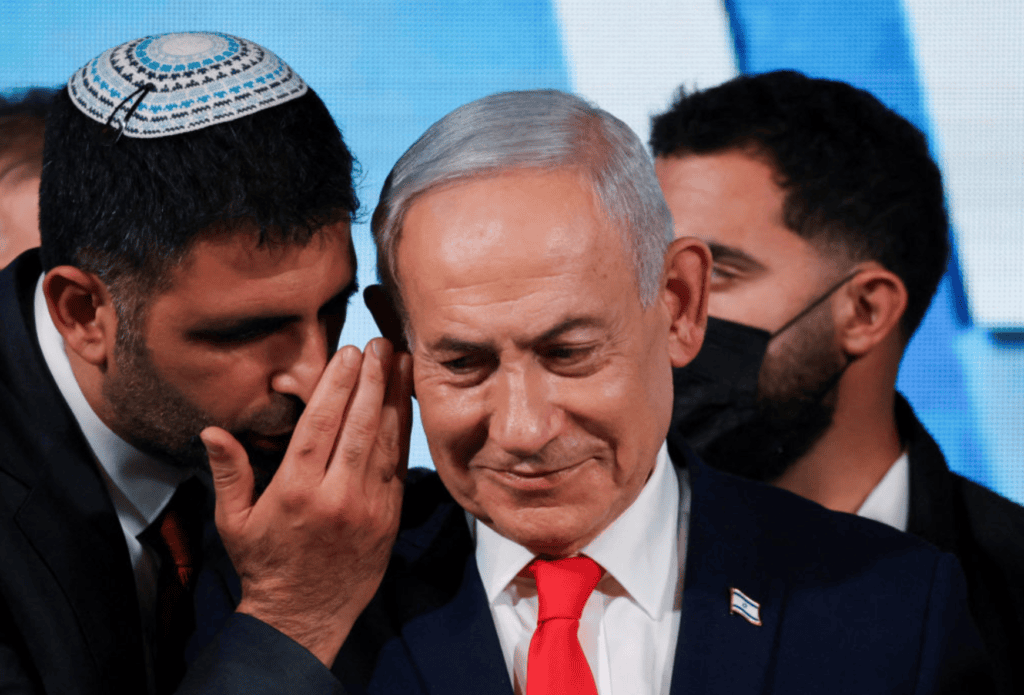
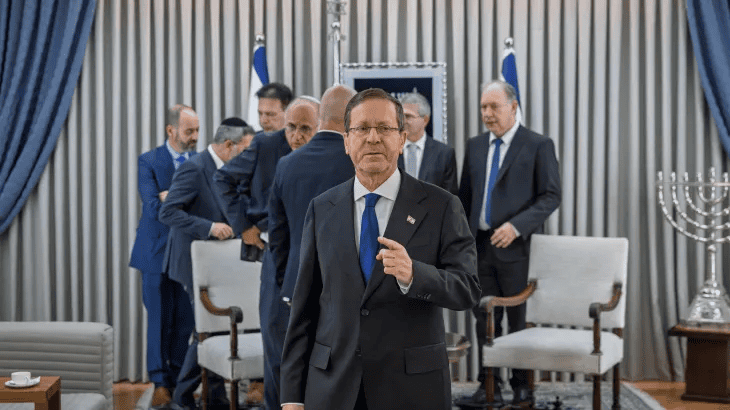
Netenyahu and his allies have launched a retaliatory smear campaign against the Arab-led parties for voter fraud and foreign interference to block them from backing Eisenkot. Netenyahu’s publicity stunts were on the offense, accusing opposition leaders of “courting” ultra-Orthodox parties in an attempt to obstruct President Isaac Herzog’s efforts for consultations.
The Guardian explained that once a defeat occurs, Netenyahu’s political shield could be stripped, restarting the ongoing Jerusalem District Court trial for bribery, fraud, and national security breaches. There’s also a chance that a separate investigation could begin under the scrutiny of the October 7th attacks; of course, it doesn’t help that Netenyahu is under a warrant of arrest from the International Criminal Court (ICC).
Netenyahu’s wording for his counterarguments isn’t necessarily helping his public image in Israel either. Despite his defense lawyers continuing to argue over technicalities in court, Netenyahu has continuously reframed the election results as a choice between conservatism and foreign influence.
Even before October 7, Israel was highly polarized in different camps. Post-election commentary, according to Al Jazeera, has been redirected to concerns of national security, hostage releases, and the increasing crime rate in domestic neighborhoods. Right now, the division can be categorized into secular liberals, minority Palestinians, and ultra-orthodox factions.
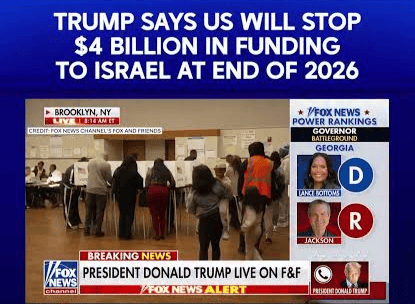
Currently, Netenyahu has pivoted to putting all of his eggs into one basket by focusing his political ammunition on leveraging relations with Donald Trump. However, the U.S. Congress is currently facing a power shift to the Democrats, which could potentially stifle any future foreign aid to Israel. Iran’s joint List Leader Yousef Jabareen has preached caution to the public, claiming that Netenyahu might begin a hot war to grant himself emergency powers.
It should also be noted that Netenyahu’s heavy reliance on foreign allies has given political capital to Eisenkot, his centrist opposition, especially as Donald Trump has recently announced a freeze of $4 billion in military aid to Israel. Eisenkot and Yair Golan accused Netenyahu of a “costly mistake” that alienated one of Israel’s most critical allies; they framed Netenyahu as an “incompetent” leader who can no longer negotiate with Washington on a fundamental level.
The $4 billion dollar foreign aid package was originally meant to include foreign military financing over the subsidized purchases of American aircraft (F-15’s, F-16’s, and F-35’s), joint missile defense programs (Iron Dome, David’s Sling, and Arrow 3), and offshore procurement. It is also important to note that Donald Trump explicitly stated that arms sales will continue uninterrupted.
The Israeli elections are permeated with Eisenkot promising that once sworn into the legislative body, his coalition will use the seat majority to forcefully elect a new Knesset Speaker and pass new bills to repeal Netenyahu’s controversial judicial sets.
In addition to Eisenkot’s momentum in the elections, he held a unique advantage: forcing everyone to be in agreement with the Herzliya opposition pact, designed to bind the likes of Naftali Bennet, Yair Lapid, and Avigdor Liberman to the idea that all parties entering the Israeli government must recognize Israel as a Jewish state and categorize Hamas as a terrorist organization. It creates a paradox by satisfying right-wing voters, but isolating the Joint List and Ra’am parties, which unleashes a complexity that could contribute to unseating Netenyahu.
Ultimately, it’s unclear if Israel can recover from this legislative gridlock, or break it due to the multi-party hazards, turning it into a game of chicken. To consult with further updates of Israel’s election status in terms of parliamentary math and voter turnout rates, visit the Central Elections Committee or other alternative Israeli government voting analysis resources.