

Written by Quinlan Gunty, Staff Writer
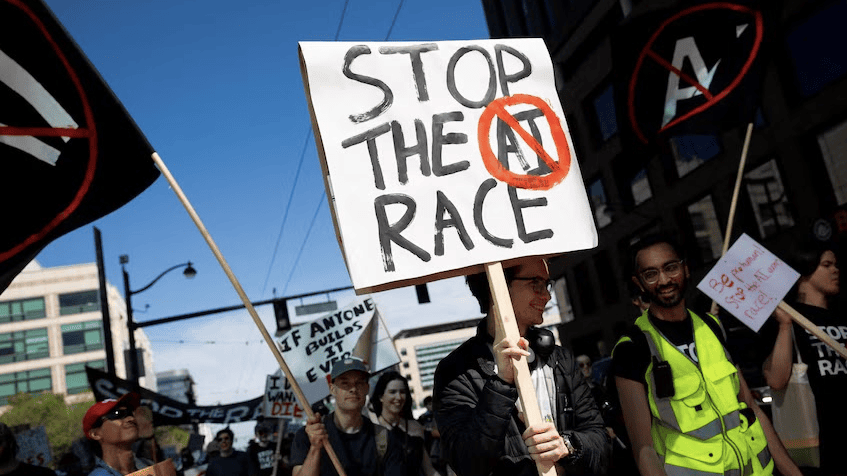
As people navigate through life in the modern day, rampant AI usage has become the norm. Companies like Meta, ChatGPT, and Gemini have been increasingly invasive in search engines and apps, making AI’s presence in digital spaces almost unavoidable.
An increasingly growing trend in the 21st century is the creation of event posters being made by generative AI. People have been seeing this kind of promotion in a number of places, including: using Instagram’s search engine for local activities, viewing graphics used at business pop-ups, passing an event board in a communal spot, and even taped to street signs. The sheer sight of AI-made posters is controversial, especially regarding its threat to creative fields and artistry. Some businesses defend their use of it by stating its convenience and low-cost. However, many argue that some editing and collage apps have easy to use features that help people create appealing designs for free and without using AI. There’s also the option of giving design experience opportunities to artists who are willing to make posters for cheap or for free.
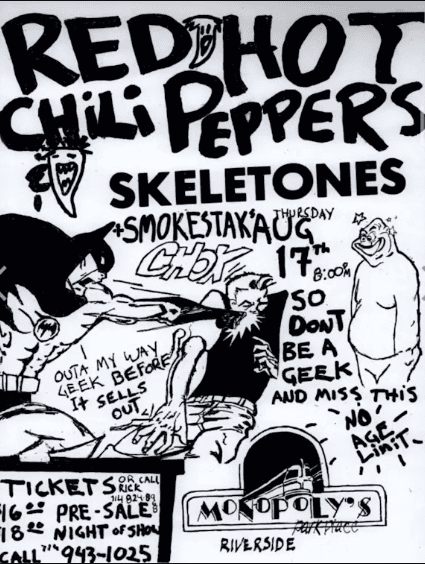
When discussing generative AI being used in graphic design and artistic spaces, many artists oppose its usage entirely. When a person is involved in the design process, they must consider numerous factors in order to make a successful artistic form. Artists are able to utilize a range of creative techniques they have learned over years of practice and analysis. Additionally, making a human focused eye-catching design should come more naturally to another human being than a machine without preference. Not only may the poster appear more creative, but artists are also able to use their human senses and sentiments to connect with the people involved in the company or event. Being able to converse during the creative process means artists make personal connections and apply it to visual factors of the poster. When chatting with a robot, it cannot grasp the human experience or real intent behind the requested design. A robot has a process that copies what it’s fed and only understands a question at surface level. This results in a poster that clearly lacks individuality and creativity.
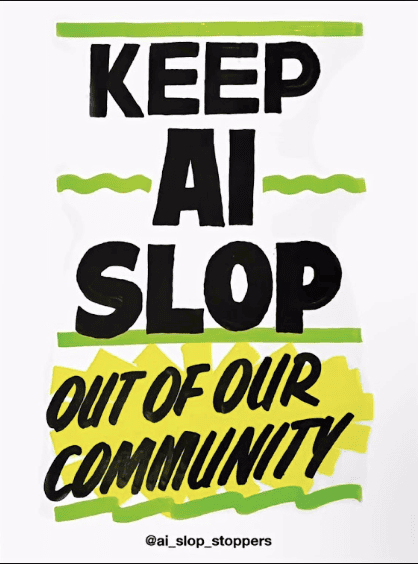
The general public’s opinion on the topic is mixed, though more recently there has been major pushback of the usage of AI in posters. When students at Poly (especially those involved in creativity and writing) were asked if they would be turned away from an event if the poster was made with AI, there was a resounding yes with common reasons across the board. The students stated the posters immediately seemed lazy and uncreative, meaning it could reflect the quality of the event. To put simply, if they didn’t put effort into the poster, how much effort did they put into the event, and why should the students then be expected to give their own effort?
With AI usage becoming commonplace, people have been craving human creativity. Artwork is so much more than just the final result. Art involves a person’s individual thoughts and skill, it’s what makes art so special in the first place. Before clicking send to prompt an AI chatbot, consider the impact it’s had on creatives of the world. Communal events and art mean so much more than convenience and cost reductions.