

By Isabelle Termath, Staff Writer
Overconsumption leads to harm against the environment, physical health, and mental well-being.
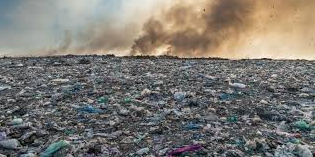
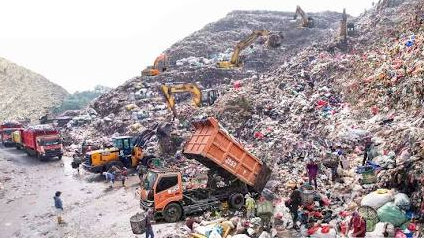
Human-generated waste has been steadily increasing, and reached an all-time high in recent years of 2 billion metric tons. This statistic is only projected to increase, and subsequently will exacerbate the consequences of overconsumption.

Excessive waste has held major impacts on the environment. The cleanliness and well-being of the earth, specifically in our oceans, has been harmed by the sheer amount of trash being continuously discarded each day. This has led to an accumulation of almost 23 million tons of plastic waste being dumped in the oceans annually. Wildlife has also been negatively impacted by human waste, with 1,500 species being affected in one way or another. This includes ingesting harmful microplastics and being injured by plastic trash.
Waste not only holds consequences for the environment, but can be detrimental to the health of the average person. PFAS, also known as “forever chemicals,” are man-made chemicals used in the making of consumer products such as cookware, fast food wrappers, and toilet paper. They earn their name for being incredibly hard to break down, and therefore, accumulate over time in landfills and the environment. These chemicals also harm the physical health of humans. Exposure to these chemicals has been linked to various types of cancers, infertility, low birth weight, obesity, and more. PFAS have contaminated about 90% of human drinking water, which explains why they have already begun to have disastrous consequences for human health. The weight of their impact is partly due to being so heavily present in consumer products, but also from the volume of trash in landfills that contain these chemicals. It could be possible that their effects would not be so powerful if waste was reduced, making it harder for these forever chemicals to permeate the environment.
Mental well-being has also been harmed by overconsumption in daily lives. With social media circulating with new microtrends each week, it can put pressure on some to constantly have the new and best thing. This pressure will also inevitably lead some to feel inadequate and like they can not “keep up” with society. Even those who project an affluent lifestyle and contribute to consumerist trends feel the consequences of their financial choices. Influencers who document their many products, whether it be hygiene, clothes, or the latest online obsession, have also admitted that they have found themselves in debt from constantly buying things to make their content. This is a representation of not just social media influencers, but also the everyday person, and how people will use luxury items and the accumulation of them to flaunt their status, while their well-being does not improve, and may even become worse.
There is, of course, hope in combating overconsumption, waste, and their impacts on the earth, our health, and our mental well-being. One can reject microtrends, the fast-fashion industry, and the pressure constantly placed by society to project wealth and status. The value of material things are only determined by how much we give them, and by being more conscious about what products we give importance to in our life, overconsumption can be reduced, which in turn will help eliminate a portion of human waste, and help alleviate the harmful impacts of overconsumption.
Sources:
Earthday. “How Our Trash Impacts the Environment.” Earth Day, 9 July 2024, www.earthday.org/how-our-trash-impacts-the-environment/.
“Yale Experts Explain PFAS “Forever Chemicals” | Yale Sustainability.” Yale.edu, 2025, sustainability.yale.edu/explainers/yale-experts-explain-pfas-forever-chemicals.
Brown, Clair. “Why Over-Consumption Is Making Us Unhappy.” Psychology Today, 26 Mar. 2018, www.psychologytoday.com/us/blog/buddhist-economics/201803/why-over-consumption-is-making-us-unhappy.