

Written by Simranpreet Kaur, Staff Writer
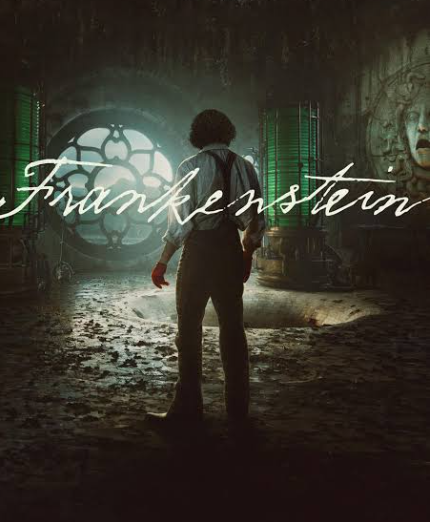
Upon the release of the movie Frankenstein (2025), directed by Guillermo del Toro, there have been raving reviews on the storytelling, directing, and acting present in the Netflix featured movie. Starring famous actors like Oscar Isacc (Victor Frankenstein) , Jacob Elordi (the Creature) and Mia Goth (Elizabeth Lavenza) it is no surprise that the movie was a hit with people in favor of a more accurate representation and adaptation of Mary Shelley’s novel on film. Even if it is more faithful to the source material, how similar are the two really?
For starters, both share a similar narrative structure and hold the same themes of isolation and defying nature. Both center around the ambitious Victor Frankenstein in pursuit to unlock the secret of life and defy death itself, and they both share his rejection of the Monster. This abandonment is symbolic of the neglect that many people face from their own parents, or their creators.
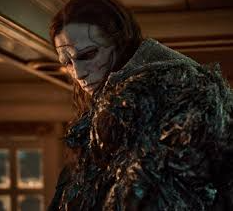
One thing that the two bring to light is the reality that many individuals are treated as monsters and face cruelty and blatant dislike openly. The Creature was forced into this world and suffers by no fault of his own. Although both were made centuries apart, they still display how most people take for granted their lives and are ignorant to the horrors and neglect others around them face daily.
Furthermore, the novel and movie share Victor’s disgust for his creation. This results in the Creature living in a life of isolation which aids his growing resentment and fury towards Victor, humanity, and himself. The story in the film follows the original plot of the novel with Victor and the Creatures’ desperate chase taking them to the desolate arctic at the end. The overall philosophical quandary stays the same: is the Creature a true monster or was he created into one? This question is something that still applies today and something we all should often think about if we are to quickly judge others.
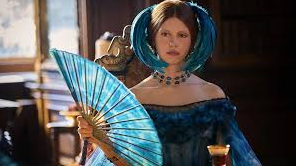
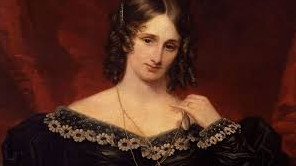
However, differences between the two arise when it comes to the characters and morality. In Shelly’s novel, Victor Frankenstein is characterized as someone well-esteemed at Ingolstadt. However in the movie Toro characterizes him to be more of a middle aged surgeon already expelled from the Royal College due to his ‘unnatural’ work. Elizabeth in the book is also Victor’s adopted cousin and fiancee who is brutally murdered on their wedding night by the Creature as revenge (this was later changed to where she was adopted into the Frankenstein family in the 1835 version). In Toro’s interpretation, she is almost a scientist who has a more active role in the story with more sympathy towards the Creature compared to Victor.
The Creature itself in the novel is highly intelligent but naive, and he teaches himself to speak, read, and understand human emotion through his observation of the De Lacey Family. After their rejection of him, he turns into a murderous wreck desperate for vengeance. However in the film, the Monster is depicted more as a victim where his violent actions are often accidents or self defense. This, disappointingly, strips the malice and intent behind the killings that offered much thrill in the book. This means that the Creature is not an innocent being but more so that he is a result of the environment around him which both forms reflect through different means.
In the novel the antagonist is up for interpretation since both the Creature and Victor are flawed and tragic characters. In contrast, the movie pushes the positions of Victor as the antagonist and the Creature as the protagonist, focusing more on dramatization than the truth of complex characters. Finally the main deaths of both Elizabeth and Frankenstein are altered from the original; instead of being the Creature’s acts of vengeance they are instead labeled as accidental deaths which depicts the Monster as a victim of his surroundings.
The importance of the Creature’s killings is that they display the consequences of his own rejections from society and his creator that then descends him into evil and violence, which is more apparent in the novel. The movie and book both criticize peoples’ adherence to their prejudices and to reject those who are different, and they hold similar themes such as that there is no such thing as inherent evil, and that in most cases vice arises from the influences of the environment and those around a person.
The Frankenstein film is an overall great adaptation that stays true to the gothic nature of Shelly’s original work. Although it ultimately strays far away from the original. It is still a great interpretation that is beautifully shot and gives its own unique perspective on the novel. The grappling scenes, articulated costumes, and immersing acting creates a truly enjoyable experience that is very appealing to watch. While the novel tends to force readers to understand the duality of a person, the simpler format of the movie creates a more balanced perspective. While the film is a strong re-imagining of the original book, the novel itself is still something that everyone should read.