

By Quinlan Gunty and Genevieve Rios-Zamora, Staff Writers
Subcultures have been a way for people to express themselves and their values, but the rise of fast fashion and social media have majorly impacted alternative scenes. As the band H2O said, “What happened to the music and the message that I love?”
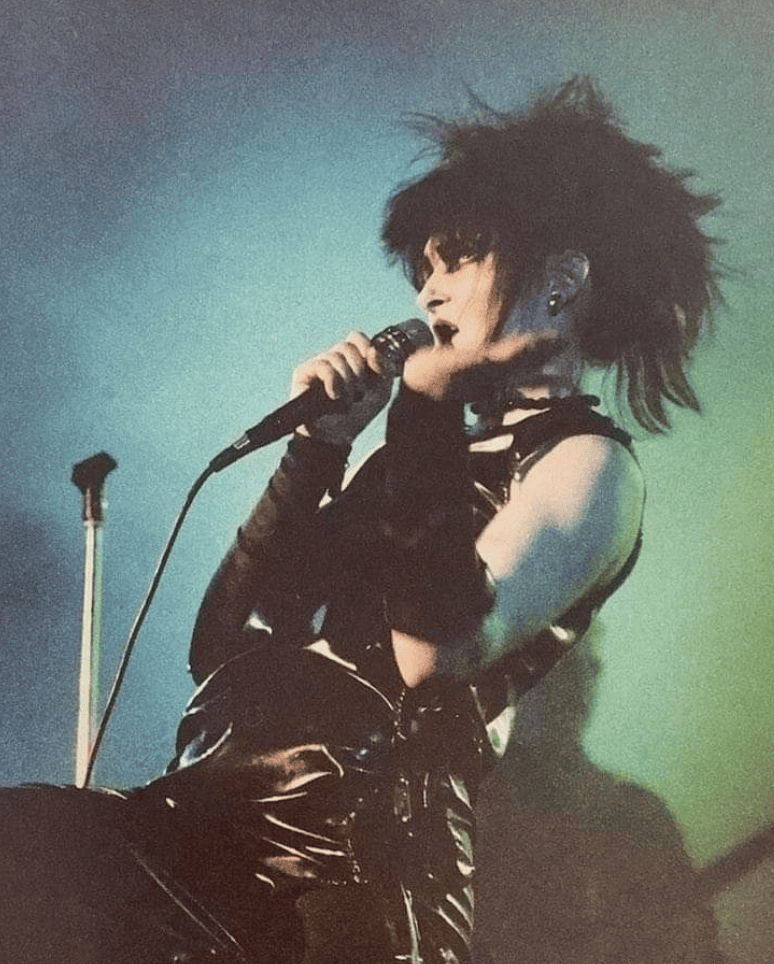
Throughout the 20th and 21st centuries, there have always been cultures outside the mainstream. From greasers in the 50s to metal heads in the 80s, people have communities they reside in to comfortably express themselves. Many countercultures are still prevalent today, but versions of punk and goth styles have been constant throughout the years. The Punk genre emerged from the unconventional sounds of 1960s rock movements, the MC5 and The Velvet Underground being prominent inspirations. In the 1970s, the counterculture began to boom with bands like The Clash, Sex Pistols, Ramones, and many more. Despite the manufactured formation of the Sex Pistols, people were inspired to alter and make their clothes and accessories to achieve a more worn look, contrasting greatly from the mainstream’s desired style. Goth culture originated from this punk scene. Siouxsie and the Banshees, a pioneer of goth culture, even opened for the Sex Pistols as their first performance.
Despite the differences within the overall desired look for each subculture, they are united over similar beliefs regarding anti-consumerism and inclusivity.
Both scenes take a more DIY approach to self expression. Going to thrift stores, altering items they already have, and creating new pieces entirely are common ways punks and goths create their looks. These processes are better for the planet and more ethical, considering labor rights violations within industrial manufacturers.
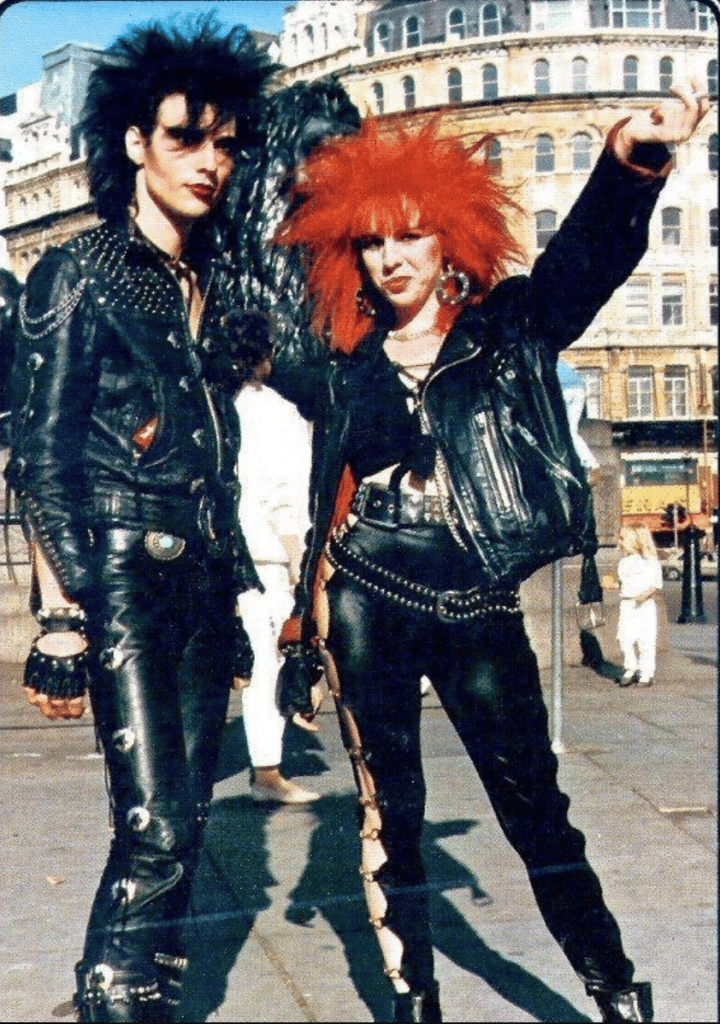
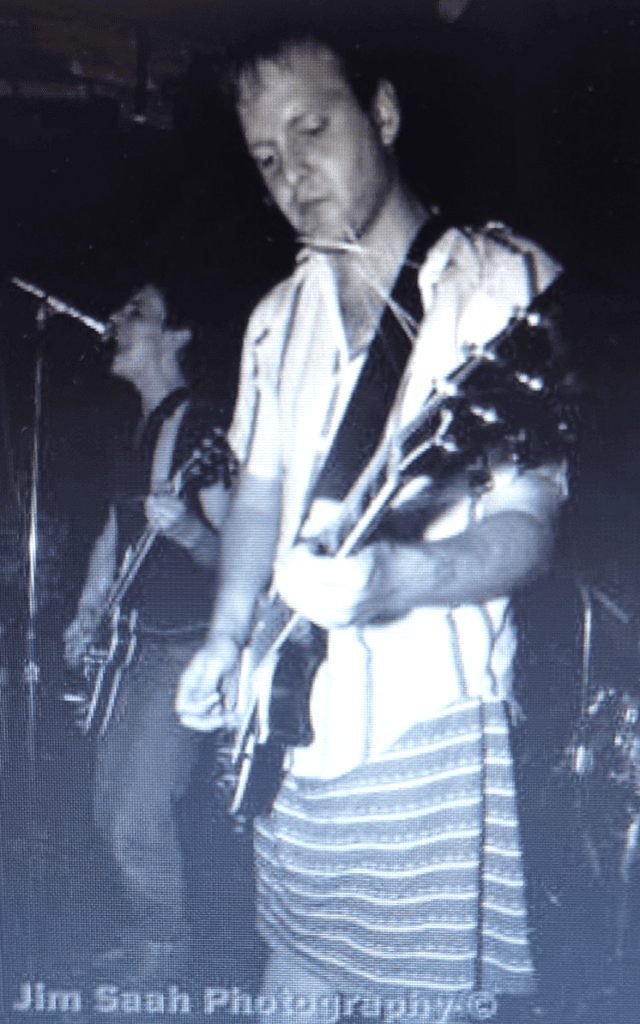
Due to the foundations of why these countercultures were created, inclusivity is a key aspect of what makes them strong communities. When people are given a space to express themselves in a way that fully reflects their style and beliefs, they’re signaling to other people that they too have a place to be true to themselves. However, when the style is replicated without the beliefs to reflect it, it neglects the point of forming that community in the first place. Due to the popularization of these scenes in recent years, people could buy something cheap from an unethical company that replicates the styles even though they don’t understand the connotations behind the fashion. The values of scenes are often conveyed through the music. The punk band Fugazi’s song “Suggestion” speaks of the objectification and mistreatment of women. The Replacement’s “Androgynous” stresses the importance of acceptance of people’s self expression. Robert Smith of The Cure has opened up about the pressure he felt to conform to masculine social norms, specifically the stereotype to not care or have feelings. This is reflected in his song “Boys Don’t Cry.” The movements come with the scene, so they shouldn’t be ignored.
The term ‘fast fashion’ first originated in the 90s and refers to a business model that focuses on creating low-cost, rapidly produced, trendy clothes. Popular brands today include Shein, Zara, and H&M. Fast fashion’s connection with subcultures has existed for a while, but it’s grown increasingly apparent since the COVID-19 pandemic due to the increased trend of online shopping.
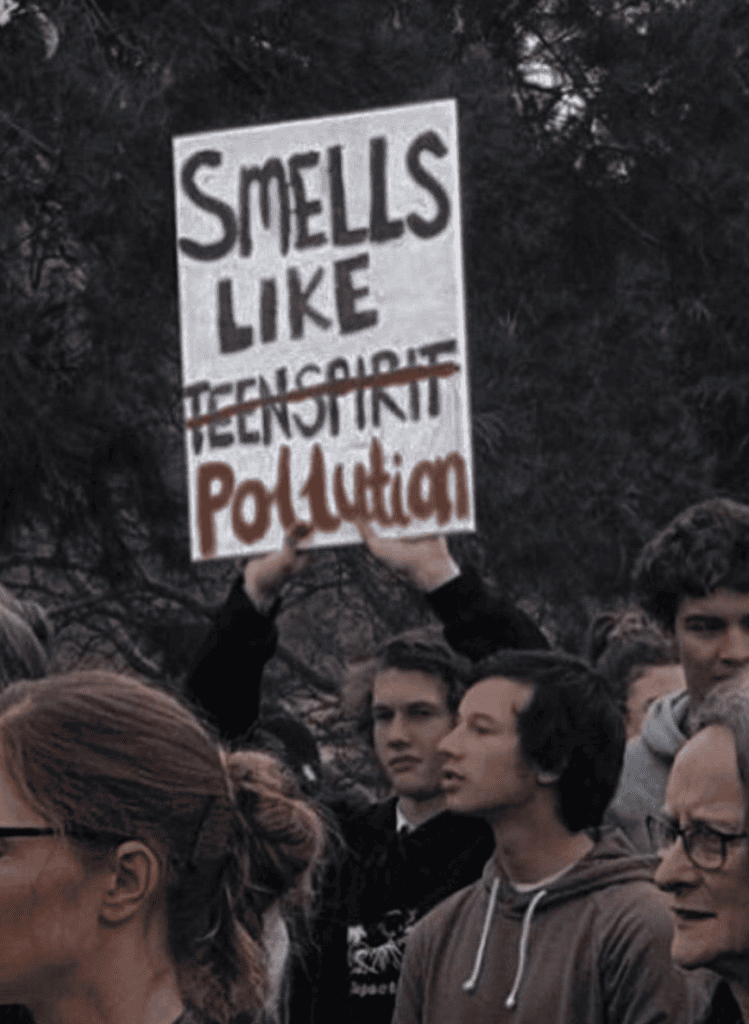
The controversy comes from how fast fashion brands tend to employ unethical practices that go against alternative values by using polluting chemicals in their products, contributing to carbon emissions, leaving behind textile waste, feeding into consumerist demands, and exploiting impoverished laborers. Many argue that these brands water down subcultures into an edgy trend, ignoring the political and social issues tied to alternative scenes and expressed in fashion.
Social media has not only promoted purchasing from fast fashion brands, but has warped public perception of what being alternative means. Within the past few years, microtrends have become popular and alternative aesthetics haven’t been spared. Today, it isn’t uncommon to see a piece of clothing online being marketed with terms such as ‘y2k fairy goth punk mcbling big sister core.’
The need to place labels and aesthetic names onto everything perpetuates conformity, putting people into boxes and not allowing them to thrive as unique individuals. Many spaces online are also quick to label others as a ‘poser’ for not wearing a specific look.
Alternative subcultures have deeper histories than most people realize, and with the rise of fast fashion and consumerism, these spaces have become commodified into palatable products for passing trends. It’s completely fine to be inspired by alternative fashion and experiment with it, but when someone places labels onto others, supports large oppressive corporations, and shames others for expressing their individuality while still wearing a gothic inspired look and claiming the subculture, they’re the real poser.