

Written by Keira Eveland, Staff Writer
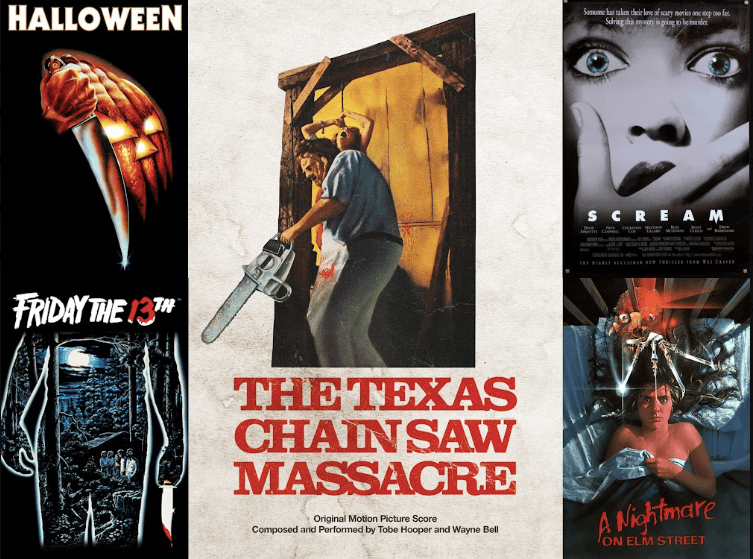
A masked killer, a creepy doll, and a mysterious figure in the shadows are just a few of the images that have become symbols of classic horror that people reach for.
From Scream to Friday The 13th, classic horror films have remained popular long after their release, creating some of the genre’s most iconic characters, like Chucky and Ghostface, who continue to appear in Halloween costumes, merchandise, and other forms of media.
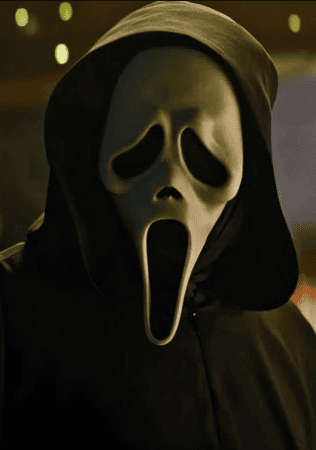
Their popularity has lasted even with the rapid growth of technology, which changed the way horror movies are made. While modern filmmakers have access to more advanced technology and effects, many of the techniques and ideas introduced by older horror films are still used today.
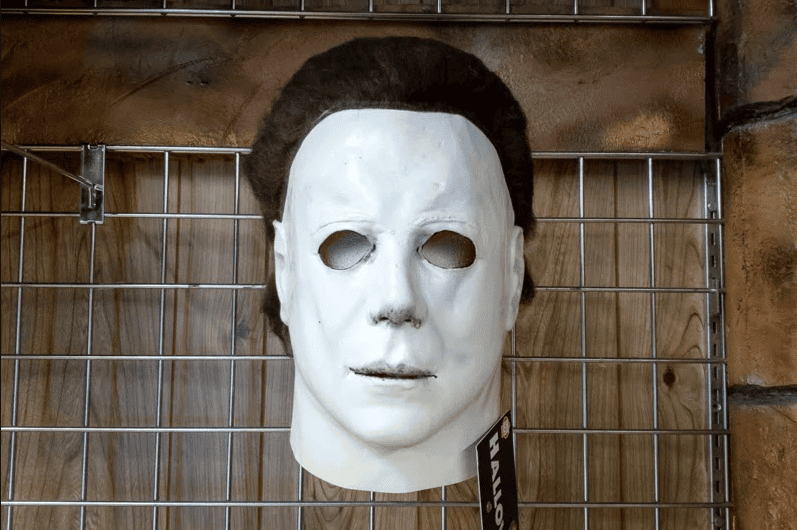
Horror movies are not considered classics simply because they are old. A movie can become a classic because of its iconic or memorable: characters, story, influence on the genre, imagery, cinematography, or scenes. Classic horror movies are remarkable because they can still reach people who have not seen them. For example, people who have never watched Halloween may still recognize Michael Myers and his iconic mask. The same can be said about other famous horror characters, such as Freddy Krueger, Leatherface, and Jason Voorhees, who have been referenced and recreated time and time again.
Also memorable in classic horror movies is the elaborate soundtracks. Filmmakers had to rely on music to help them create ambiance, suspense, and to help convey emotions. This is still used in horror films today, and films in general, but it is not as vital as it once was. Rather than using melodies and orchestral scores, modern films have shifted towards sound design and ambient noise to evoke fear and anticipation.
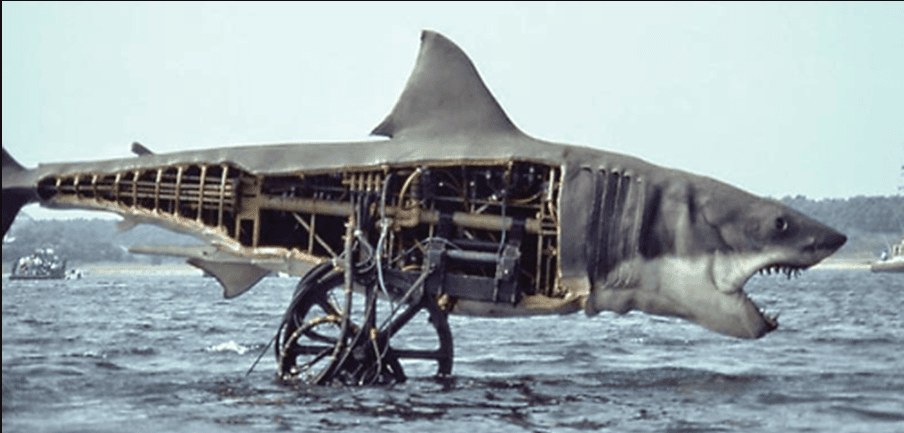
CGI, or computer-generated imagery, was not commonly used until the 1990s because it was not very advanced. Before then, many older films relied on practical effects, atmosphere, and suspense. Jaws (1975) used a mechanical shark instead of a computer-generated one. Due to the shark’s limited movement, the filmmakers were pushed to show less of it, which helped create suspense and ignite the audience’s imagination, showing CGI is not a requirement to make iconic, suspenseful horror films.
Modern horror films such as Smile (2022) had the option to combine newer technology and practical effects to manipulate faces and expressions both physically and digitally. Even with these differences, the two eras still share many of the same ideas. Modern horror movies continue to use traditions of imagery, familiar villains, and jumpscares to lure fans in.
Even with so many new horror movies being released, audiences still return to older films, especially during Halloween season. Some people watch them for nostalgia, familiar characters, or to experience something different from modern horror. For horror fans, revisiting these movies can be both entertaining and a way to appreciate how much the genre has evolved.
Not every old horror movie becomes a classic, and being decades old does not automatically grant a movie importance. Classic horror stays relevant because it has given audiences memorable characters and imagery, influenced the movies that came later, and introduced concepts, themes, and ideas that are still used today. As horror movies continue to change and develop along with new technology and ideas, the films that came before them remain an important backbone of the genre.