

By Sialea Martinez, Staff Writer
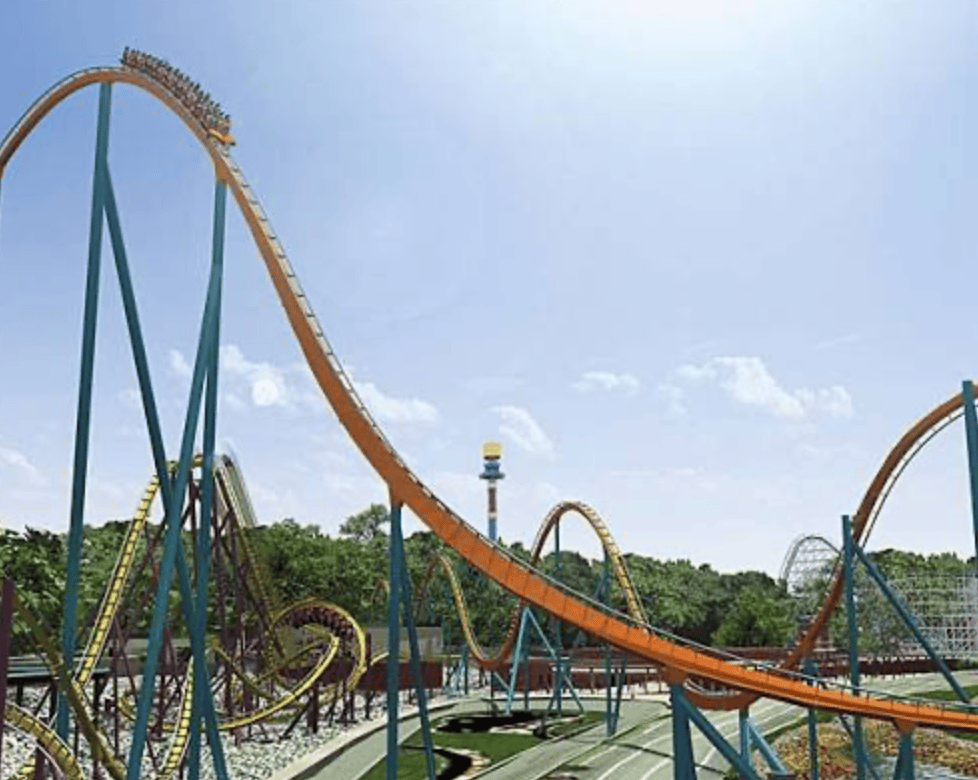
A fatal accident at Six Flags Over Georgia’s Goliath on October 12, 2026, has raised questions about roller coaster safety, just weeks after Six Flags Magic Mountain permanently retired X2 following reports of serious rider injuries.
According to preliminary reports from Cobb County police, 42-year-old Hassan Jihad Ibn Kariem was ejected from the ride and struck several passengers before falling beneath the roller coaster. Emergency responders found him unresponsive, and he was pronounced dead at the scene. Several other people were injured during the incident. The circumstances surrounding the accident remain under investigation, and officials have not yet determined what caused the ride malfunction.
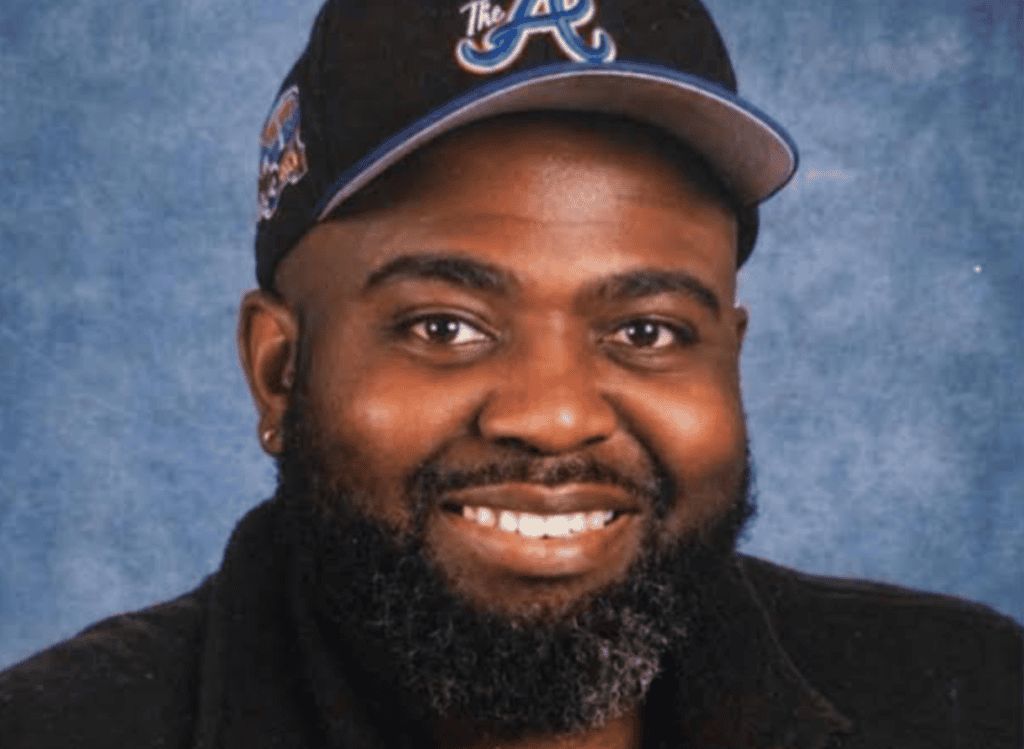
Kariem was a devoted father and educator who worked at Wesley International Academy in Atlanta for over a decade. He had overcome cancer twice, and was remembered by students and family as a caring, inspiring person who persevered through difficult times throughout his life.
Following the incident, Six Flags temporarily closed nine similar roller coasters across six parks as a safety measure while officials reviewed the situation. The Georgia Department of Insurance and Safety Fire has opened an investigation into the ride and is reviewing its inspection records. Goliath’s most recent inspection occurred in March 2026, with no violations reported.
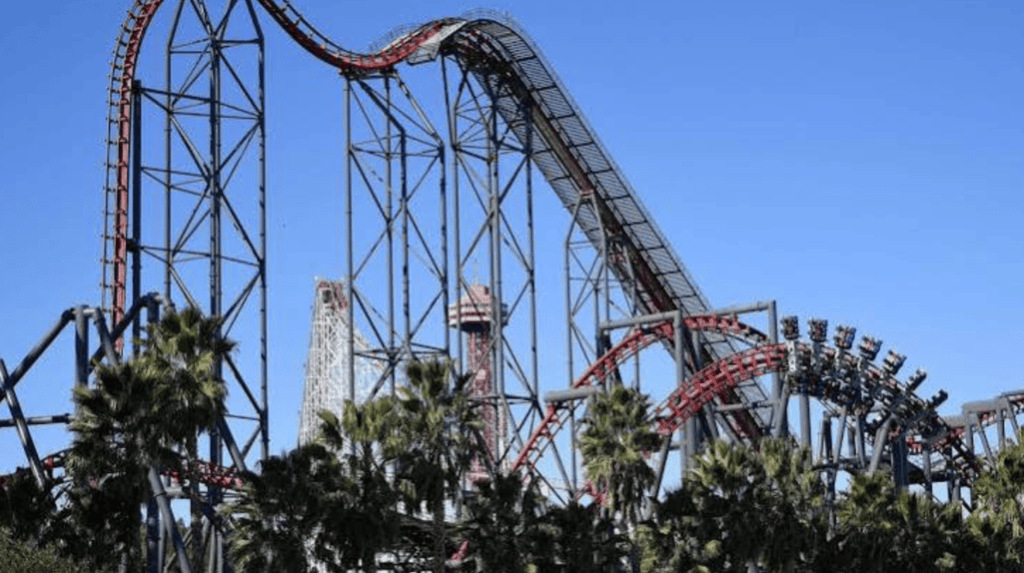
This tragedy comes just weeks after Six Flags Magic Mountain permanently retired X2 on September 29, 2026. The roller coaster had been shut down since July amid reports of injuries and lawsuits alleging that riders suffered serious brain injuries after experiencing the coaster’s intense movements. These claims brought increased attention to the ride and raised questions about the potential effects of its design on passengers.
Originally opened as X in 2002, the ride became known for its rotating seats, steep drops and extreme movements. It was renamed X2 in 2008 after major modifications and remained one of Magic Mountain’s most recognizable attractions. Its unique design allowed the seats to rotate independently of the track, creating a rollercoaster experience unlike any other ride at the time. Because of this, the ride attracted millions of visitors throughout its operating history.
Despite the ride passing numerous safety tests, Six Flags decided to retire it permanently. Park president Brian Oerding explained in an official statement that ride safety is a cornerstone of the company’s business, and that the park takes concerns about guest confidence seriously. The decision demonstrated that passing safety tests does not necessarily guarantee nothing will go wrong.
Although the incidents involving Goliath and X2 are different, both have brought attention to roller coaster safety. The Georgia investigation has not yet determined what caused the fatal accident, and there is currently no evidence connecting it to the concerns surrounding X2.
However, the events have started further discussion about inspections, maintenance and how amusement parks should respond to reported injuries and accidents.
Within the theme park industry, maintaining a successful business means more than offering exciting attractions. It also means investigating incidents thoroughly, maintaining equipment, and communicating clearly when safety concerns arise. When serious accidents happen, amusement parks must prioritize rider safety while prioritizing public trust in their attractions.
As investigators continue examining the Georgia incident, the two events serve as reminders of the importance of safety in an industry built around thrills. While roller coasters remain popular attractions for millions of people, riders must be able to trust that their safety is being taken seriously. Ultimately, maintaining that trust depends on how parks respond to incidents, address potential risks, and ensure that thrill does not come at the expense of guest safety.