

Written by Anabelle McKay, Staff Writer
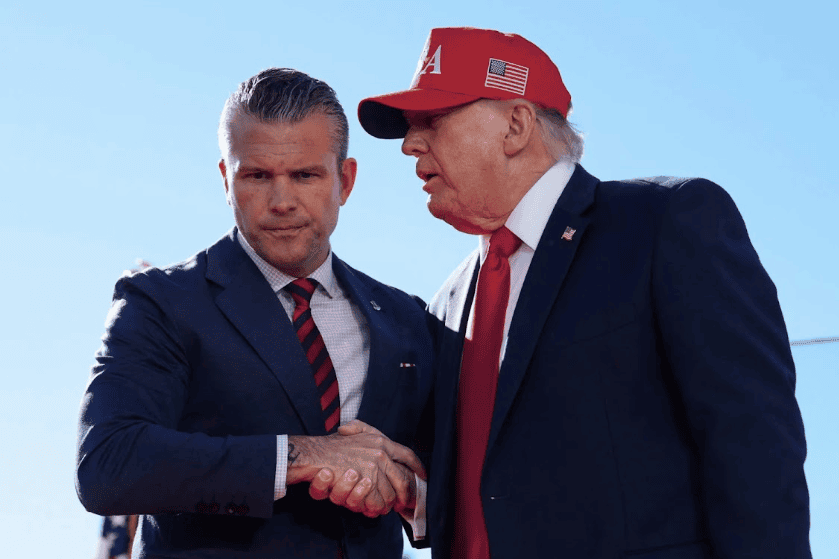
Amidst midterm preparations, President Trump vetoed the Pentagon’s plan to livestream the execution of Fort Hood shooter Nidal Hasan in response to adamant opposition from the public.
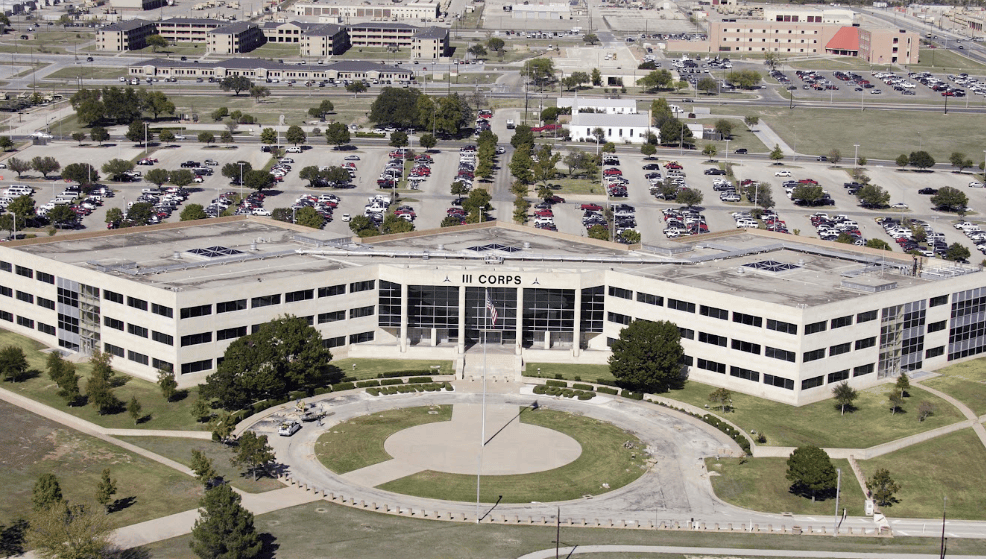
The Fort Hood shooting took place in 2009, and was marked by a man named Hasan, a former army psychiatrist, when he opened fire on unarmed soldiers at the Texas military base. Hasan was neutralized by nearby officers, who shot him multiple times, leaving him in permanent partial paralysis. The attack resulted in upwards of thirty injured and thirteen dead.
Charged with thirteen counts of murder and thirty-two counts of attempted murder, Hasan was sentenced to capital punishment in 2013.
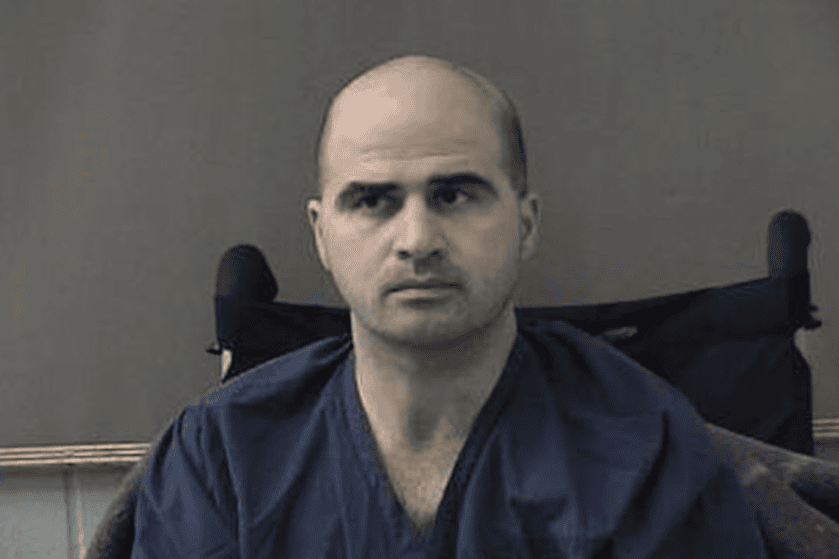
Only weeks ago, the Trump Administration declared that Hasan’s execution will be administered by firing squad, a first for the US military since WWII. The execution, which is scheduled for December 3, 2026, will be held at Fort Hood as a symbolic deterrent against future attacks.
Exacerbating the execution’s controversy and furthering its novel circumstances, the Pentagon later announced that it would be livestreamed and accessible online, serving as a public execution. Defense Secretary Pete Hegseth backed the broadcast, arguing that “people need to understand that there’s serious consequences for these types of things.”
Such rhetoric sparked immediate backlash across the political, social, and cultural spectrum. Hillary Clinton, former Secretary of State under the Obama Administration, responded to the announcement on social media, calling the livestream “a barbaric idea, beneath our dignity as a country,” and urging the nation to “push back on this.”
Alonzo Lunsford, a survivor of the Fort Hood attack, told CNN that he supported the eye-for-an-eye penalty of a firing squad and advocated for families of the victims to witness the execution. However, Lunsford expressed concern regarding the public broadcast, asserting that “as a nation and as a people, we are better than that. This is not the American way.”
United Nations representatives, clergy members, and politicians also presented criticisms of the livestream. Opposing arguments called it disgusting and inhumane, while some pointed to a public execution as an authoritarian means of enforcing obedience.
Even Hegseth’s fellow cabinet member Vice President J.D. Vance appeared hesitant to endorse the announcement, claiming that he would refrain from watching the livestream. Vance did not, however, denounce Hegseth’s plan.
It was not until October 15, when President Trump cancelled the broadcast, that the White House took an official stance on the matter. This revocation could—in part—relate to the upcoming midterm elections as a race for Congressional control, which, according to recent polls, will be one for the history books.
Some potential voters are dissatisfied with the Trump Administration’s follow through—or lack thereof—on campaign promises. The war in Iran, increased fuel and grocery prices, and ICE-related violence are all points of popular contention. With Congress on the line, the GOP is relying on the President to dissuade any volatile ventures, such as a livestreamed execution.
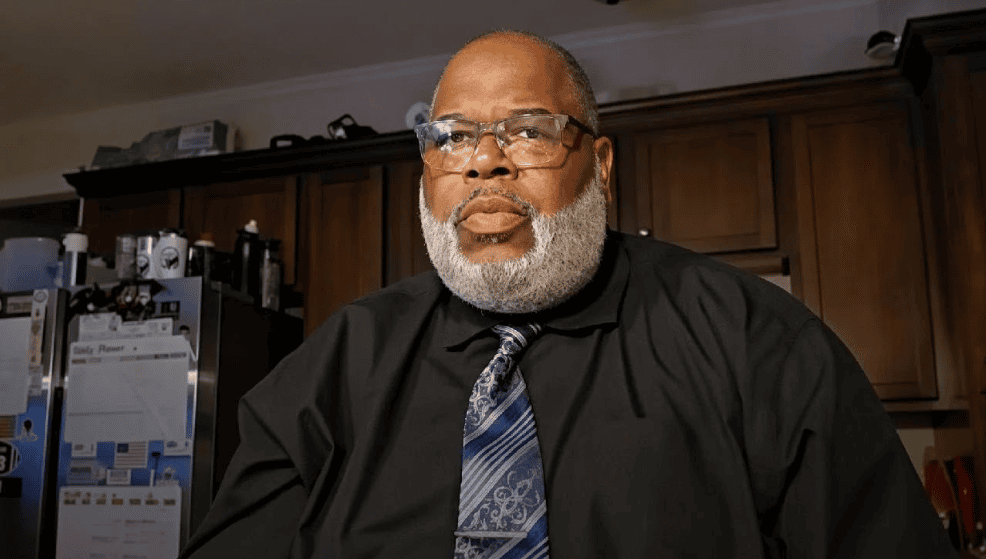
As Lunsford stated, “with the climate of our country today, we’re not prepared for the backlash behind this.” And, while widespread access was ultimately rejected, the Pentagon’s suggested livestream presents a possibility of similar demonstrations in the future. Lunsford saw the broadcast as “trying to open up another war on our soil,” a concept that—for the time being—has been held at bay.