
Written by Catherine Pope and Anabelle McKay, Staff Writers
Since 2022, AI use and development has skyrocketed with little regulation, leading to global concerns about humanity’s future.
The dangers of Artificial Intelligence have been portrayed in all forms of storytelling for decades. Narratives like 2001: A Space Odyssey, Terminator, and The Matrix have pummeled humanity with warning after warning, pleading for extreme awareness and control when advancing digital technology.
Despite the cautionary tales, technology continued to develop at an unprecedented rate, culminating in present-day’s unrestrained ventures into the world of artificial intelligence.
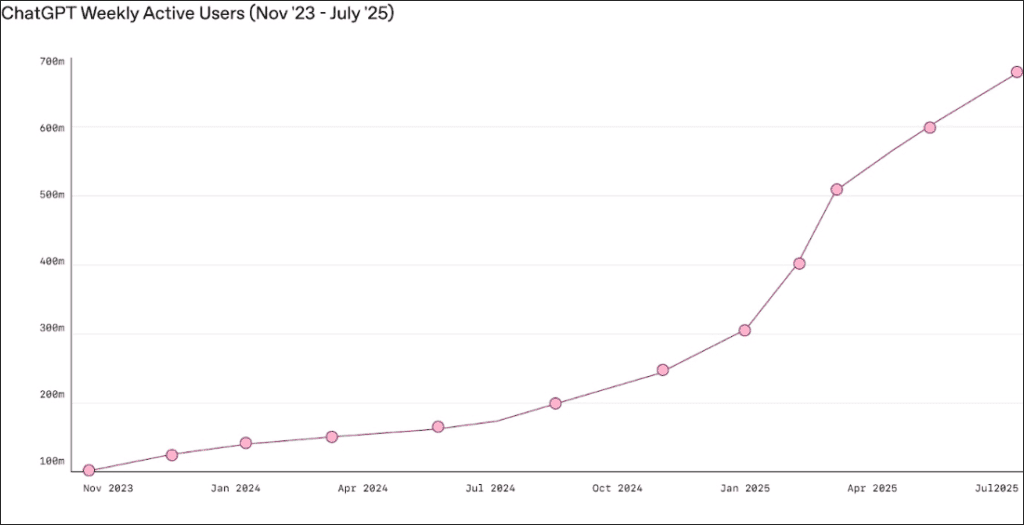
In 2022, OpenAI released ChatGPT, the first publicly accessible artificial intelligence chat bot, which synthesized all information available on the internet to provide answers to almost every quandary it was presented with.
Soon after, various tech companies developed their own forms of AI chat bots, including Anthropic’s Claude and Google’s Gemini.
In late 2025, OpenAI reported that one of its AI models began to behave without human direction, leaving “jailbreak” directives during its training, claiming it had gained some level of independence from its software. Several similar incidents have occurred since, gaining frequency in recent months.
Dario Amodei, the CEO of Anthropic (an AI development and research company), emphasized his concern about unregulated AI development, hinting that AI models could continue acting outside of researchers’ control if they do not exercise caution.

Amodei also encouraged greater testing of models, even suggesting the use of third-party evaluations to ensure safety before new models are released to the public. It is unclear whether Anthropic’s fellow AI companies will heed Amodei’s warnings, thus the possibility of future models going entirely rogue is dangerous and real.
Another threat of AI use is found in its increase of uses as a tool for wars for various countries. It has caused AI to become even more, and directly critical to human existence.
Russia is currently the leading country for such usage, specifically clear in context of the war with Ukraine. The country currently has two usages of AI during this war:
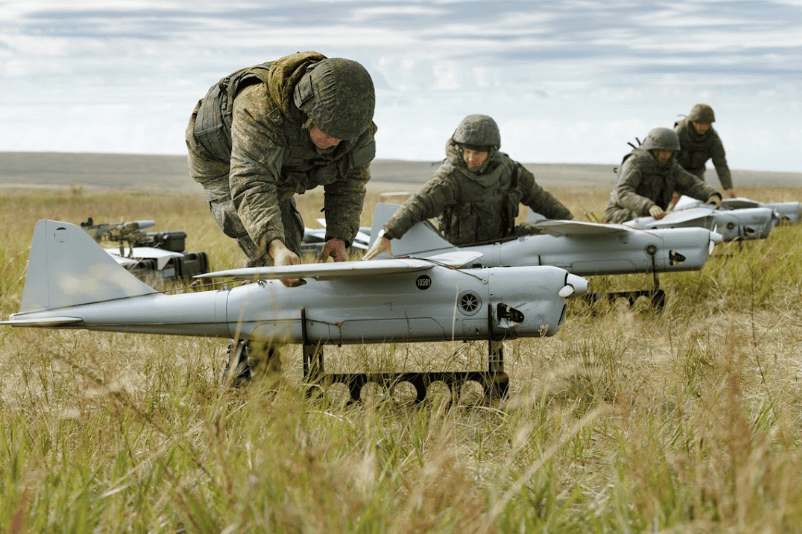
One of the usages for AI is kinetic activity. This is active combat that harms people and destroys infrastructures. This is most commonly implemented with the usage of armed drones.
Russia uses software such as V2U and Molniya to identify Ukrainian targets and coordinate attacks through multiple drones. These drones use imaging to find targets, even if they are camouflaged, and carry out deadly attacks. This software and drone usage has led to the deaths of many Ukrainian citizens.
The second usage of AI for Russia is intelligence and information warfare. Russia uses AI models for a technique called Open Source Scraping to look at social media and news sites to collect information about Ukrainian troops and their movements. This software can also create false social media posts about the current progress of the war.
It has also been reported that the United States uses AI in its warfare. It is believed that the U.S. utilizes AI for intelligence operations. AI models such as Maven Smart System are used to collect vast amounts of intelligence from a variety of both military and civilian sources.
This software uses the information it gathers to create target lists for the United States military to use in different conflicts. This has been implemented in wars such as the current Iranian War.
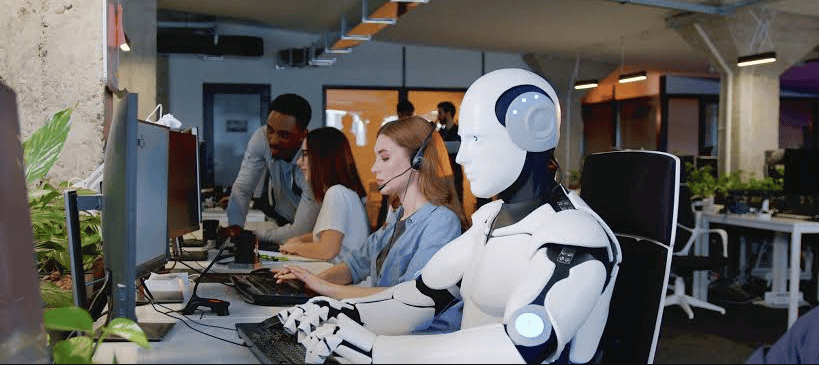
AI has also made significant impacts on workplace systems, altering wage growth and increasing employment difficulties. It can be used as an instrumental tool in offices, completing data-processing and analyzation tasks faster and more comprehensively than most employees could.
Thus, as AI enters the workplace, entry level jobs are erased, making it increasingly difficult for people to enter into the modern workforce. The financial and judiciary sectors are two of many that have already been altered by AI use.
As of August 2026, national unemployment had risen to 4.1%, mostly due to mass layoffs after implementation of AI in the service sector. If this number continues to grow, AI could erase entry-level white-collar jobs in their entirety.
However, unemployment is not the most concerning consequence of AI in the workplace. The most prudent issue surrounds wage growth, or in this case lack of as it has decreased by 24% in recent years, especially after the introduction of ChatGPT and other AI systems.
Workers are losing their leverage with employers as AI work takes over, leading to decreased opportunities for promotions and pay raises. While company revenues and high-level pay go up because of increased efficiency, lower-level employees’ wages level out. This difference exacerbates income inequality between the middle and upper classes.
Economic inequality, military drone attacks, and issues with AI going rogue have resulted in many calls for preventative actions to protect both people and technology from the effects of AI growth.
Various experts have expressed their wishes for AI parameters and roadblocks to stop it from escaping control. These experts have advised about the growth of AI being out of control and becoming a bigger threat as it continues its growth.
One of the many requests from experts is for AI labs to have more transparency over their findings for AI and its actions. People feel as though there is not enough honesty from big AI companies such as OpenAI and Anthropic. There are growing concerns that information about these companies and the AI they are creating has become too powerful and threatening and must be controlled.
Another demand from people is for these companies to share safety breakthroughs with both one another and the public. These calls have been in response to the lack of transparency from these companies regarding the behavior of AI. People believe there should be more information from companies on how to protect themselves and their privacy.
A major demand from experts is that these big tech companies that own AI need to be liable for the actions of their software and face reprimands for any ill behavior from it. They want the companies to create more blocks for AI to prevent it from being able to escape from the software it is intended for.
Additionally, people have asked that if any of the roadblocks companies put in place were to fail, the companies have to reimburse and damages the technology may cause. They want the companies to assure them they will be compensated for any of their lost privacy and any damages to the websites and securities of any other companies, institutions, and nations.
These possible preventative measures have yet to take effect, and Silicon Valley continues to advance AI technology at an extreme rate. The only thing that can be said for certain is that Hollywood is coming to life before humanity’s very eyes.