
Written by Ella Fortine, Staff Writer
Journalists in the wake of the Vietnam War revealed government atrocities to the public. You can watch the atrocities live in 2026.
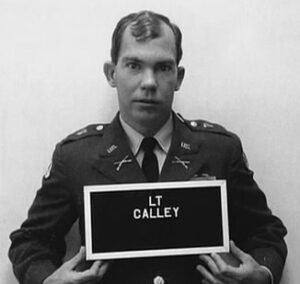
In 1969, Seymour M. Hersh published his investigative report of the My Lai Massacre, an atrocity in Vietnam that had been quietly swept under the rug for twenty months. U.S. troops had murdered dozens of unarmed South Vietnamese women and children, because their senior officer, Lieutenant William L. Calley had directed them to. Lt. Calley was charged with the premeditated murder of 109 civilians, and after being sentenced to life in prison, had his sentence then reduced, and again reduced. He served three years of house arrest.
In 1971, Daniel Ellsberg leaked the Pentagon Papers, a document detailing all the sins and secretive misdeeds of the United States in Vietnam from 1945 to 1968. This document began being published in the New York Times on June 13th, and what followed was a series of trials, protests, and accusations. The Pentagon Papers changed both journalism and government accountability forever.
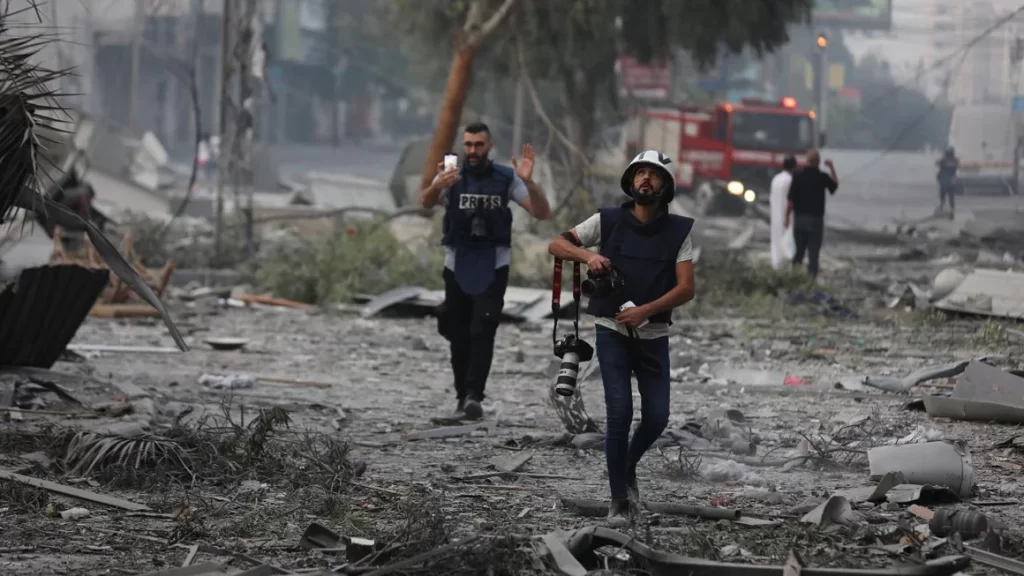
Today you can watch TikTok lives of Palestinian’s homes being struck by Israeli bombs. Bombs that the U.S. military bought and paid for. Dozens of high profile politicians on both sides of the aisle have declared their undying and unwavering support for Israel. Every strike, every blatant murder of civilians, every effort to starve and wipe out the people of Gaza has been recorded and documented and presented to the public both through both journalistic outlets and the accounts of Palestinians themselves. These atrocities do not require the talent of investigative journalists or the bravery of leakers to reveal them to the public. We know about them, we have known about them for as long as the genocide has been going on.
Our society has been changed in many ways by social media, but the ways in which it has changed journalism are especially interesting. Global connection not only means world wide virality, it means that those suffering under oppression have a way to bring attention to their struggle and their voices. The news media ecosystem as a whole has incorporated legions of citizen journalists who are documenting atrocities as they happen, from the years of war in Gaza to the burgeoning threat of masked ICE agents in American cities.
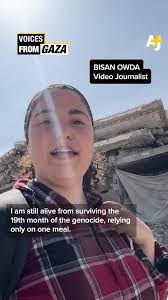
Perhaps, however, this mere fact has diminished the impact journalism can have. No, there has been no Ellsberg or Hersh to rip off the mask on these atrocities. But, despite the outrage, despite persisting U.N. and ICJ calls for justice, there has been no repercussions for Israel and no healing for Palestinians. At times, the documentation of the pain in Gaza fades into the ambient noise of the pain in Ukraine, in immigrant communities, in Sudan, and in every other part of the world that has been sending up smoke signals to the rest of the world about their struggle. There is a flood of information at all times, available at every outlet. That is how journalism has changed. The protests over crimes in Gaza or in Vietnam, the outrage and calls for justice—and failure to answer those calls by people in power, the desperate attempts to save face by complicit administrations, none of that changed. It changed in that all that righteous anger is summoned instantaneously and at all times. Digital connection means a constant flow of cortisol, and yet justice still seems to move at the same speed as it did in the age of telegrams.
It took almost two years for the murders at My Lai to come to the attention of the American people. Those murders came to light because of a good journalist who fought for justice and transparency. And yet, after murdering 109 people, Lt. Calley was ultimately sentenced to house arrest. We have good journalists in 2026, and we have what journalists covering Vietnam and the Pentagon Papers didn’t have: the ability for almost everyone to have a global platform. That should mean that those accountable face justice. We have the ability to not become numb to terror, to not let daily horrific action become normal. We in the 21st century have a tool that has never been available to humans before. We’d be wise to use it right.