

By Simranpreet Kaur, Staff Writer
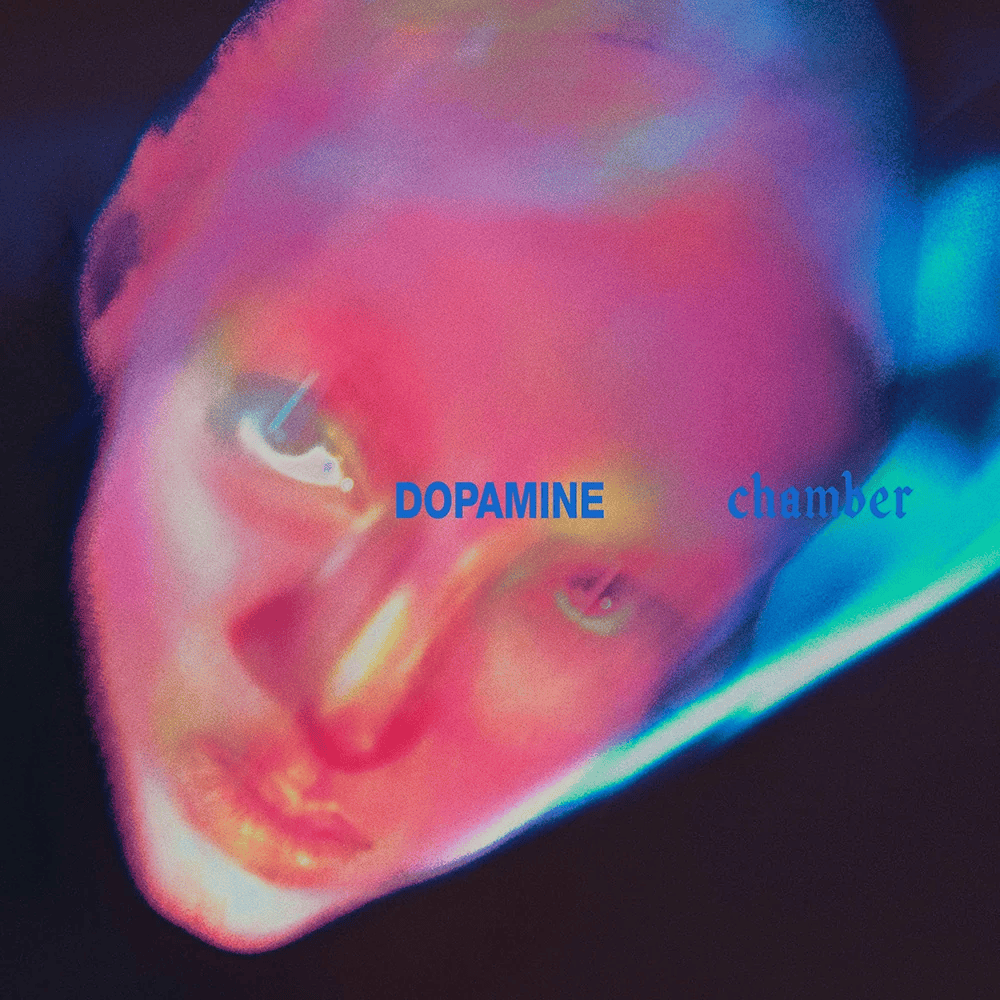
The long awaited new release of the fifth studio album Dopamine Chamber from the Irish band Fontaines D.C had many mixed reactions from both fans and new listeners.
Fontaines D.C. experienced a rise to fame with their hit song “I Love You” from their third studio album Skinty Fia, which reached 216 million streams on Spotify, leading as their number one song, as well as an online craze after the 2020 release of their second album A Hero’s Death, which earned a grammy nomination for Best Rock Album.
While some express that the new release is a success and a new colorful addition to the band’s discography, others seem to believe it’s a step back from their previous five studio albums that have curated an image the newest release does not follow. The experience is deluded almost as though the individual is experiencing the album through a wall on the other side of a party.
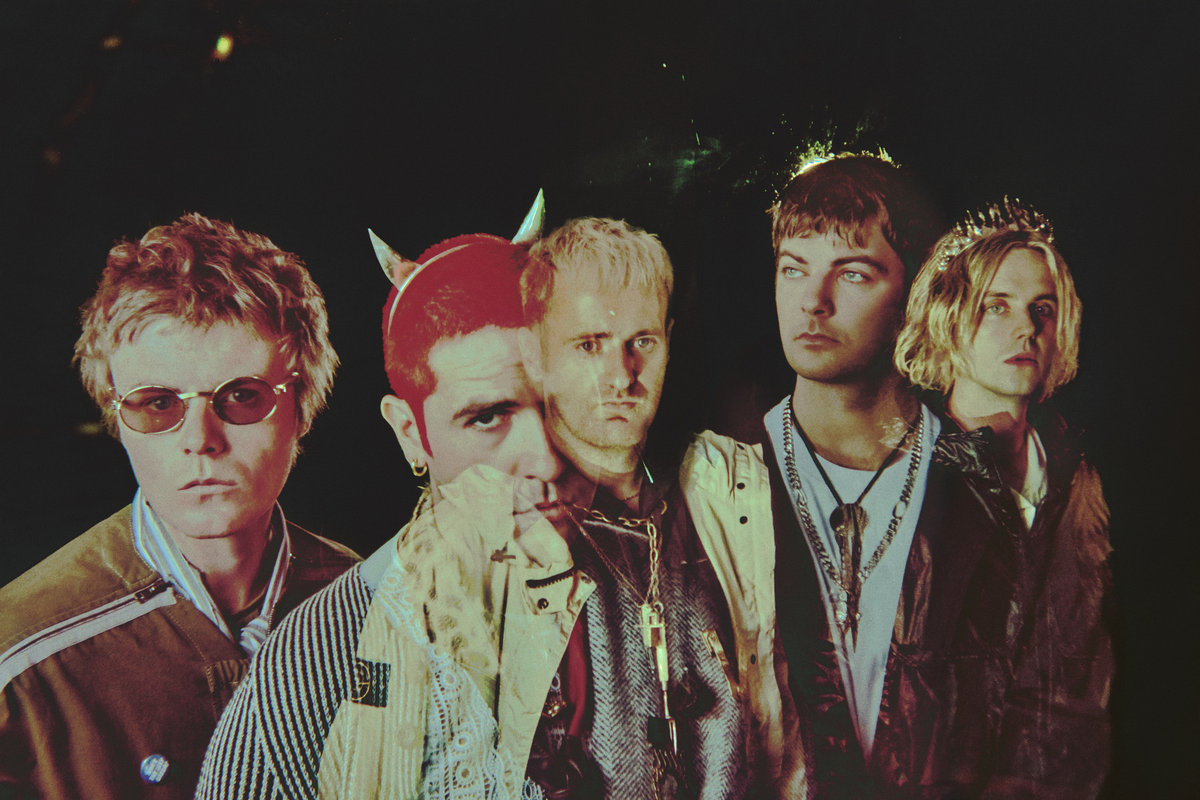
Upon first listen, the entry track “Six Shot Morning”, is enthralling, leaving the listener hooked almost automatically. However, it strays from the conventional sound of previous first tracks the band has featured on their albums.
For instance, the album Skinty Fia begins with the opening track “In ar gCroithe go deo,” which pulls in the listener with its initial minor harmonies, accompanied by bass and guitar shortly after. In “Six Shot Morning,” the song doesn’t start with traditional guitar riffs, but strikingly, the complete opposite, a sluggish electronic layer and repetitive synthesizer.
The instrumentation creates the initial tone for the entire album, and in such sets up the use of grimy and dark textures alongside lead vocalist Grian Chatten’s vocals which are repetitive and hypnotic rather than purely harmonious. His vocals and the instrumentals alongside the production build up within the electronic pulse and pay off with a dramatic near end resolution that finalizes the first track.
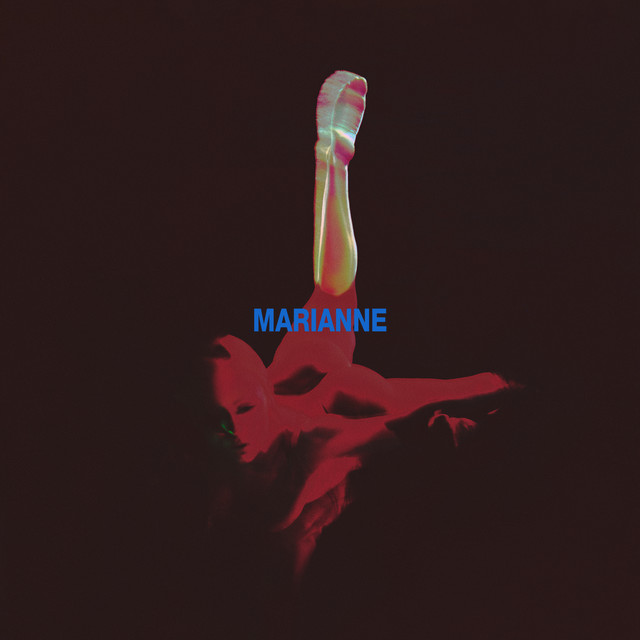
While this initial track was jarring, it was not unpleasant to listeners of the album. However, the first track is followed by the release’s lead single, “Marianne”. While both tracks utilize a heavy synthesizer and similar pattern of repetitive lyrics, it’s almost too clear that they are separate entities, almost as though they belong in two separate albums entirely. Where “Marianne” succeeds in its ability to engage listeners throughout the entire song, “Six Shot Morning” and most of the album runs into one primary dilemma.
The album in itself does not feel like one concept, but rather a combination of separate singles. This, perhaps, may not be an unintentional outcome of the album, as Grian Chatten explains in a NPR Music interview on October 12 that the album is “about a metaphysical place or imaged place that represents or reflects… all the details of the things [he] find[s] affecting [his] life”.
The album is actually a compilation of the multiple worries Chatten struggles with explored under one spectrum. One half of the album is centered on a feeling informed within love and humanity, and the other half is darker, industrial, and dystopian.
Chatten expresses that this album was intended to be a contrast between both of these ideas. He explains that the concept of everything lasting forever makes him feel uncomfortable, and leaves him with an unsettling sick feeling that ultimately influenced the album.
This does not, however, excuse the fact that the first three singles released prior to the album are strikingly different from the rest of the project, which could potentially subvert listeners’ expectations.
The tracklist moves at a rather indifferent pace, not showing care for the previous track with a transition, but instead cutting right into the next idea by separating itself quickly from the last. This ultimately creates a disjointed sensation for listeners, jumping from upbeat, heavy guitars, to soft ballads in a manner that creates an unfinished and unrefined atmosphere.
On a higher note, Dopamine Chamber features renowned Spanish artist Rosalia, most recognized for her songs “La Perla”, “DESPECHA”, and “BESO”. Rosalia is featured in the third single, released just before the album’s release, called “Where is Gone”.
Where is Gone is a beautifully produced addition to the album, providing pleasing vocal blends between Rosalia and Chatten, sweeping orchestration, and the melancholy exploration of loss. However, its placement within the album itself ties back into the overall disconnected distribution of the album’s tracklist.
The intentionality of the track placement is unbeknownst to the listeners, but many online have had an adverse reaction to “Where is Gone”. Despite overwhelming positive reception, some claim it strays very far from the classic Fontaines D.C sound.
The final track on Dopamine Chamber is “Intimate”, which is distinctly different from the opening of the record in the sonic framework, composition roots and emotional placement within the album. The single has an expansive haunting atmosphere with a large build up that truly strays from the electronic synth soundscapes of the opener.
Dopamine Chamber, although not a familiar sound from Fontaines D.C., is an album that focuses on a deep rooted fear of foreverness. The album manifests this idea with jarring differences in each track, never staying in a constant loop or cycle, but rather changing rapidly. Through almost anxiety-inducing whiplash, the differences between every transition, or lack thereof, is representative of a new era in the band’s discography.