

Written by Catherine Pope, Staff Writer
As El Niño returns in 2026, more and more marine animals have begun migrating north, placing themselves in great danger.
The El Niño is a weather phenomenon that occurs in the Pacific Ocean and causes major events in weather patterns and ecosystems around the Pacific. It creates widely impactful threats such as: heavy storms, flooding, severe droughts, coastal erosion, and hurricanes.
Due to the El Niño, water in the Pacific Ocean has had an increase in temperature. This increase has caused the natural habitats of many animals to change. One of the major changes caused by the weather pattern is a stress on kelp forests off of the California coast.
These kelp forests are a major source of food and nutrients for much of the California marine life. With the loss of the kelp, many animals are facing a loss of nutrients in their diets.
Another consequence of this weather pattern is the unnatural migration of sea animals from the tropics up north to California. Various animals such as whales, sharks, turtles, and sting rays have made their way north, and into an environment very different from their own. An environment also unaccustomed to supporting this influx of life.
Two different types of whales have been seen off of the coast of California.
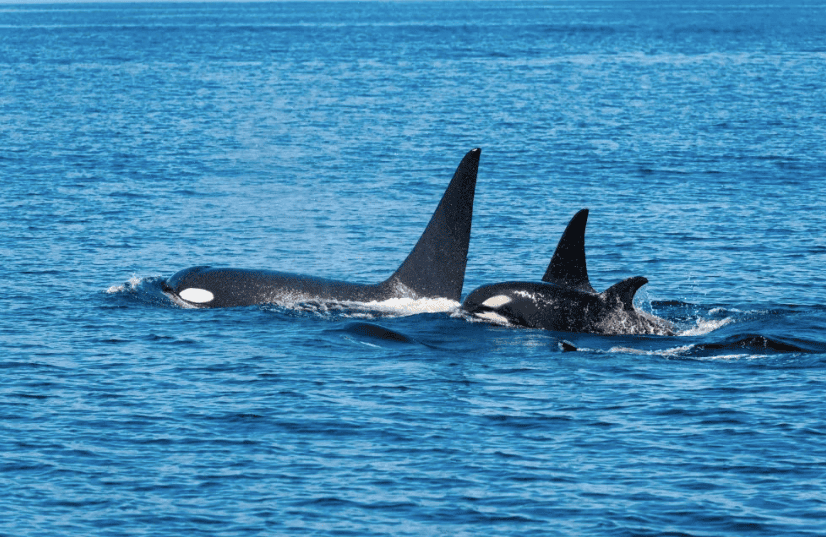
A pod of ten to thirteen orcas was spotted only a few miles off of the coast of Los Angeles and Orange County. This specific pod is known as the Eastern Tropical Pacific killer whales. They typically reside in Central America, northern South America, or Hawaii.
Humpback whales have also been spotted about sixty miles off the coast of California. While humpback whales are not restricted to only one region, it is very uncommon for them to go as far north as they have, especially during this time of year. These whales face dangers from human activities off the California coast. One humpback whale has been caught in an industrial fishing net, and, despite their efforts, rescuers have been unsuccessful in reaching the whale to disentangle and place a tracking tag on it.
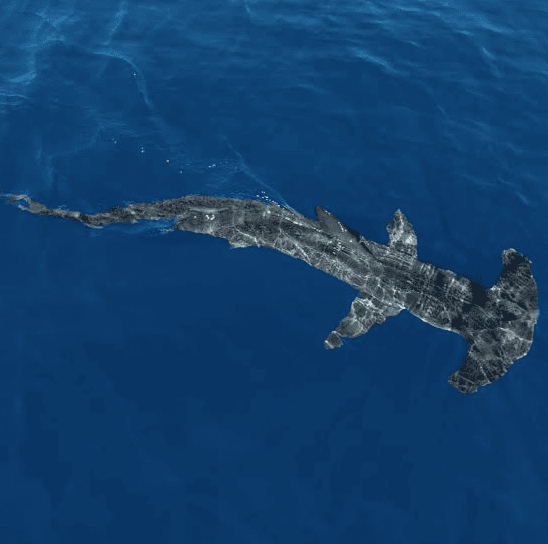
There have also been sightings of both hammerhead and whale sharks. Hammerhead sharks are commonly found in shallow bays and coastal areas from Baja California to Ecuador. The migration of these sharks puts them in danger of contact with people who can harm them.
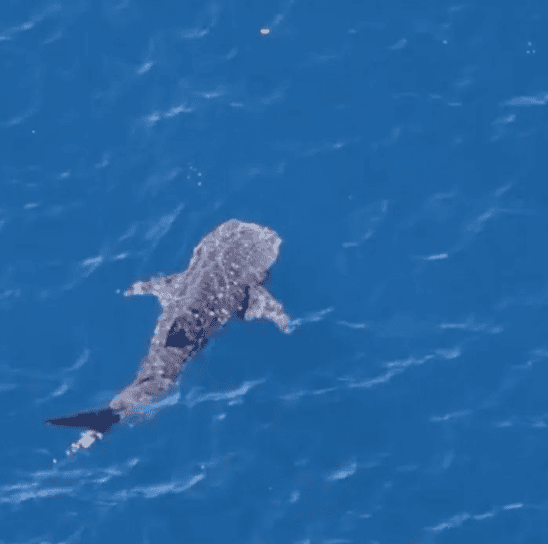
There have been multiple whale sharks spotted near Malibu and the Santa Barbara Islands. While these sharks do not pose a threat to people, they normally reside between Baja California and Chile. They face a great risk of the California water rapidly cooling and potentially causing them hypothermia or being threatened by the busy shipping ports on California’s coast.
This weather has also caused a surge in the number of sting rays in California water and on the beaches. Sting rays bury themselves in the sand of shallow waters of beaches. This has increased the danger of human encounters that harm both humans and the sting rays. These animals typically reside from Baja California to Panama, where they are used to much calmer water and less human contact.
This year’s El Niño has also caused sea turtles to start appearing on California beaches. These turtles are already an endangered species and their migration north has given them another threat. Two sea turtles have nested and laid eggs on busy California beaches.
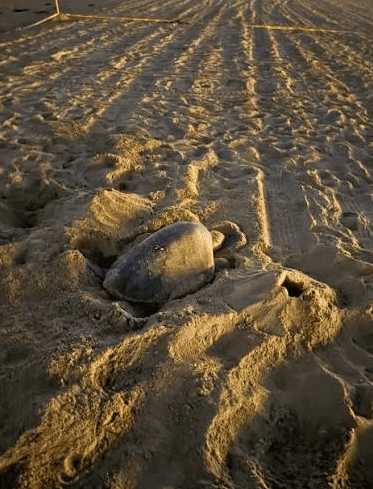
Nesting on busy beaches has caused them another risk of survival: human contact. These turtles normally nest on the peaceful beaches of Mexico, the Revillagigedo Islands, or the Galápagos Islands, where they do not have threats of interference from humans. A team from the Aquarium of the Pacific has safely collected over 200 eggs from the nests and taken them to the Aquarium to provide them with protection.
While the migration of these animals may not seem like a large problem, researchers have had increased concerns for the marine life in the area. The researchers’ concern is not limited to just this year, but years to come where the animals could be in even greater danger.