
Written by Quinlan Gunty, Staff Writer
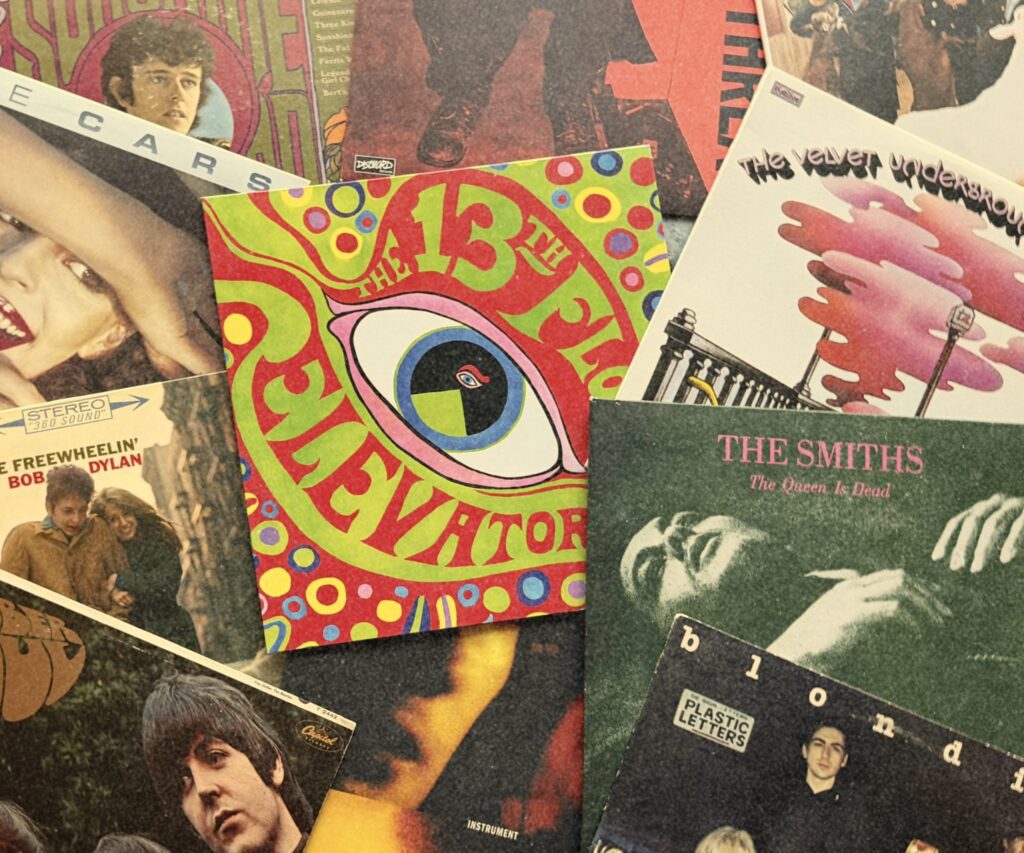
For almost 150 years, people have interacted with their favorite music through physical items. Recently, younger generations strive for a deeper connection with music through vinyl records and CDs amidst the reliance of online streaming.
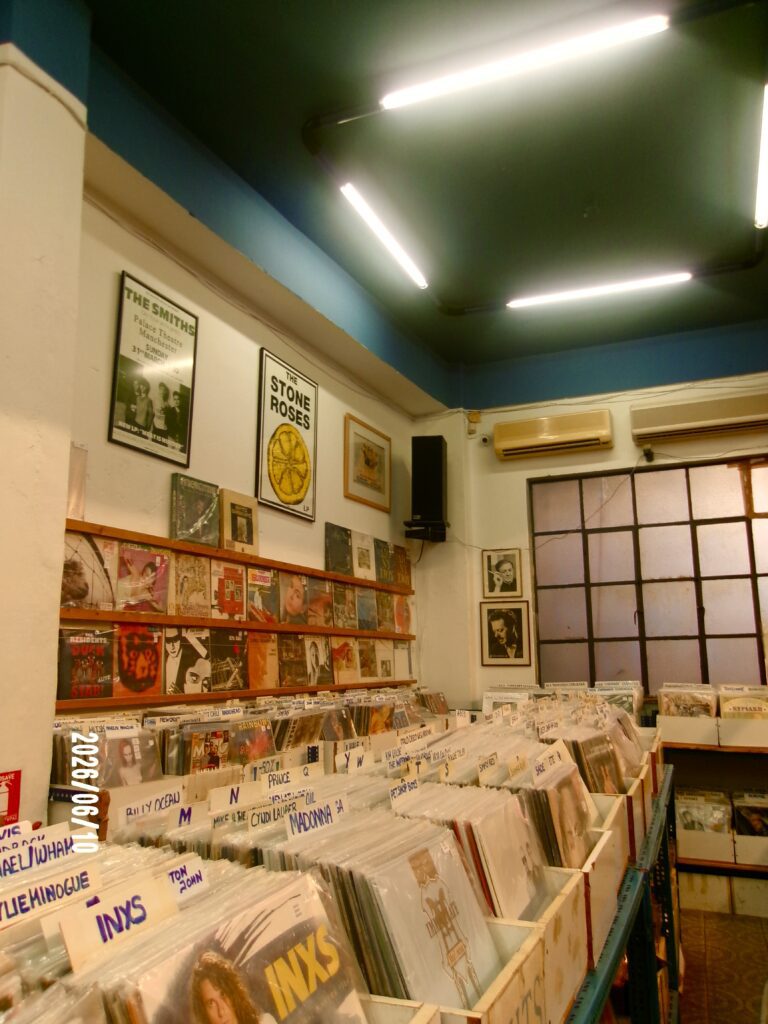
Physical media is a general term used to describe data storage put in a physical form, primarily applying to movies, photos, and audio. For physical forms of music, it began with the invention of the phonograph in 1877. Grooves engraved onto vinyl with a needle stylus generate the noises on phonographs, later known as records. This was the primary way people engaged in collectible music media until compact cassettes went on the market in 1966, the portable version called the Sony Walkman releasing in 1979. When 1983-1984 came around, CDs became a globally accepted way to consume music, later peaking in the early 2000s. Physical media was majorly halted with the tech company Apple’s invention of the iPod in 2001, the iPhone releasing shortly after in 2007. Though, that doesn’t mark the end of physical media’s impact entirely.
In the current tech climate, phones and digitally stored data have become the norm. The majority of people have developed a reliance on their phones due to its endless uses. It can be a camera, calculator, DVD player, CD player, newspaper, and telephone all in one small box. Despite its technical advantages, its convenience has become its primary fault.
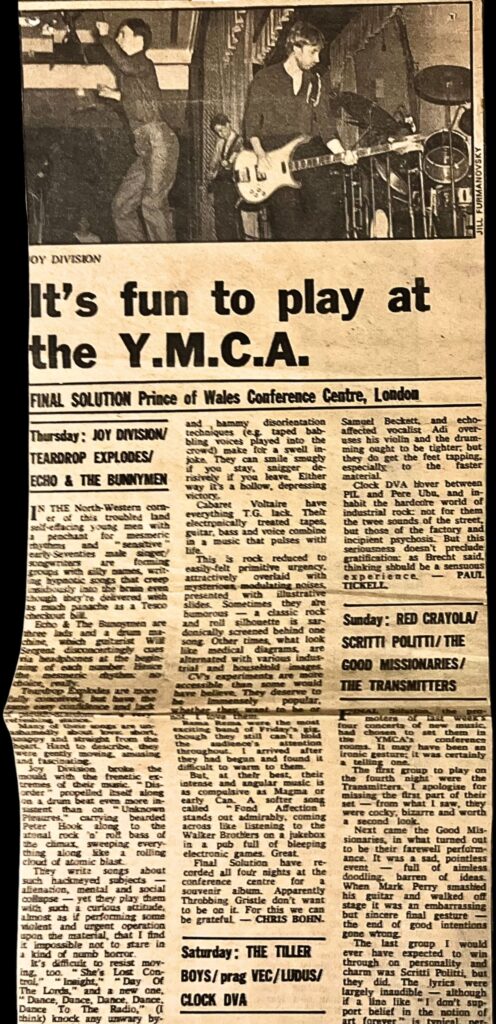
With how easy it is to find and listen to music online, people have noticed they feel a barrier with their connection to their favorite music. At record stores, people are able to shop for a range of media and styles of music. Going to a place for music media gives people the opportunity to find albums they already know and love, as well as artists they’ve never seen before. Not to mention work that’s difficult or impossible to find online. It’s one thing to find an artist by scrolling through social media, but there’s something that feels almost personal when finding an unknown album that has appealing visuals or descriptions on the cover. Questions start to form around who the artist was, when the album was made, and why the cover made a head turn. Many albums even serve as functionable pieces of history. Pressings can be found from the year the album was created, even faulty pressings indicating a specific time period in that album’s creation.
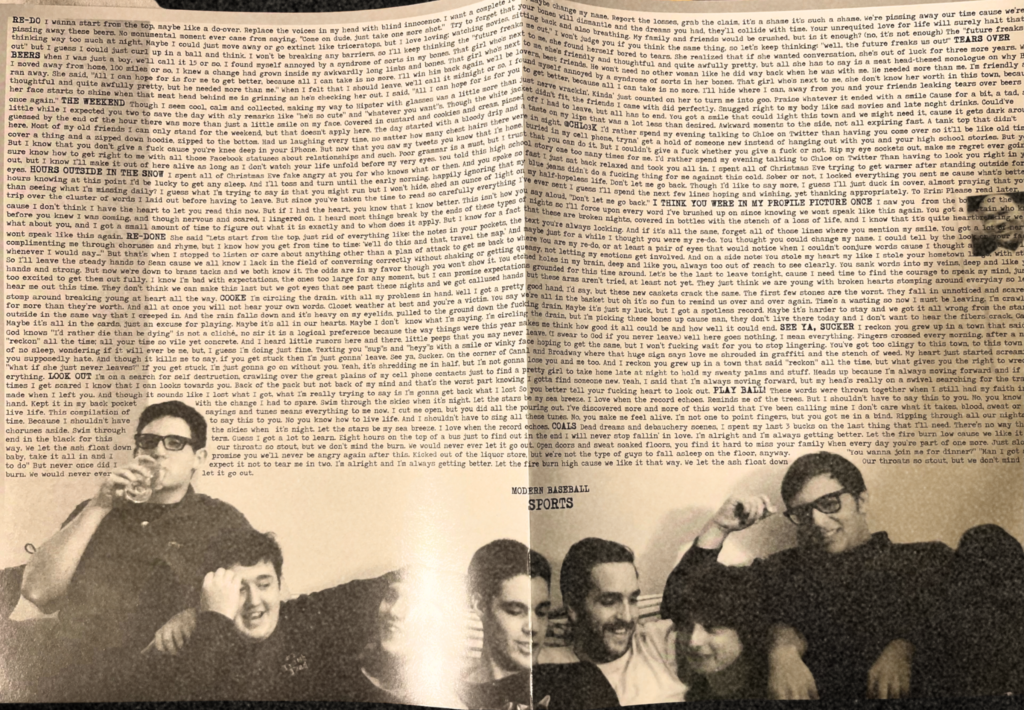
While scavenging through rows of media, people have a pure form of excitement after finding an album that’s special to them. Physical copies can even come with interactive factors such as posters, lyric sheets, photos of the band, or artwork related to the album. It’s an entire experience owning the album itself. Admiring every intentional detail on the covers, smelling the distinct paper scent associated with vinyl records, and placing the media in its player is an intentional practice to better immerse in the music. Is it the quickest process? No, but that’s what makes it special.
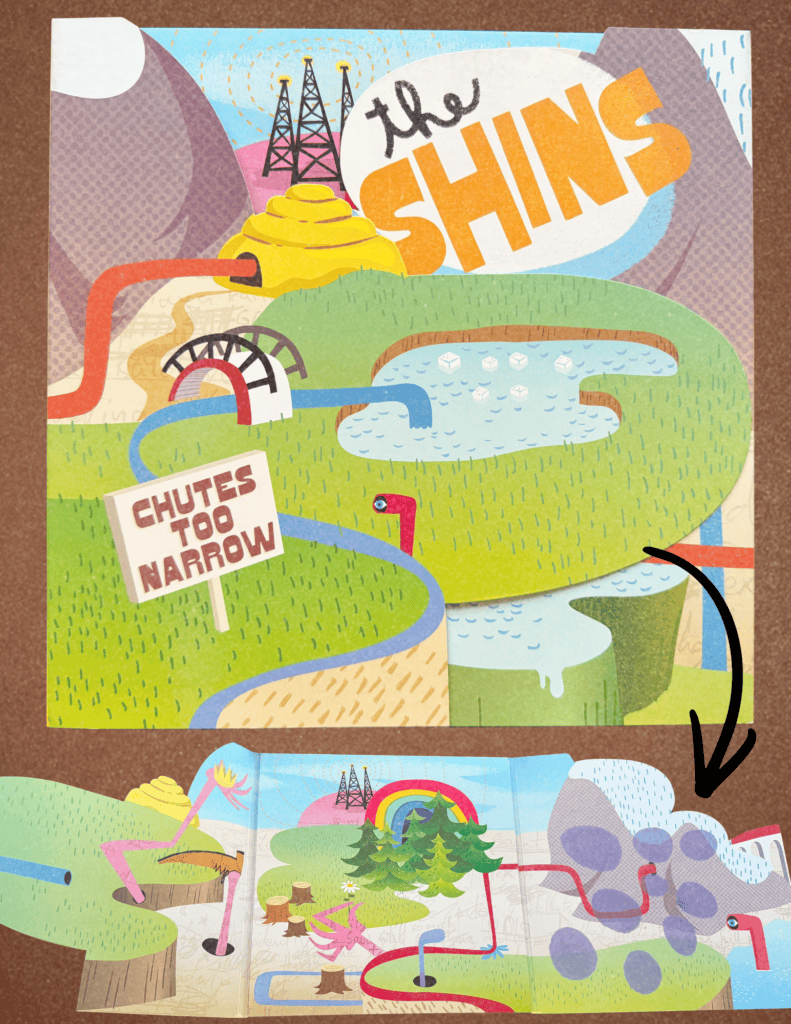
Not only are people able to gain access to older music, purchasing physical media and going to venues has become a way for people to support local bands as well. When music shifted to online formats, it became harder for musicians to make a profit off of their craft. Streaming platforms give very little back to artists, songs with 1-1,000 listens result in around 3 cents per month on Spotify. This especially affects smaller bands, meaning they value venues and merch profits more. Many bands in the current local scene sell CDs at their shows, so buying their media is a great way to show the band appreciation while having a tangible way to interact with the music.
The majority of aspects tied to collecting physical media are positive, though, there is a concern over affordability. With the growing popularity of collecting, prices of media have gone up. Some sellers bring their prices up to unaffordable levels, becoming especially unattainable for younger people wanting to engage in music more. This has primarily caused a shift in people buying more CDs over vinyl. This proves accessibility is crucial to keeping music communities thriving and inviting.
The production of music has a meaningful and rich history that should be celebrated and encouraged despite the convenience of listening online. Whether someone has a large and elaborate set-up and collection of records or a small basket of CDs, the connection to the music is what matters most.