


Written by Jacob Flores, Staff Writer
Old Releases Ranging from 1960s – 2000s
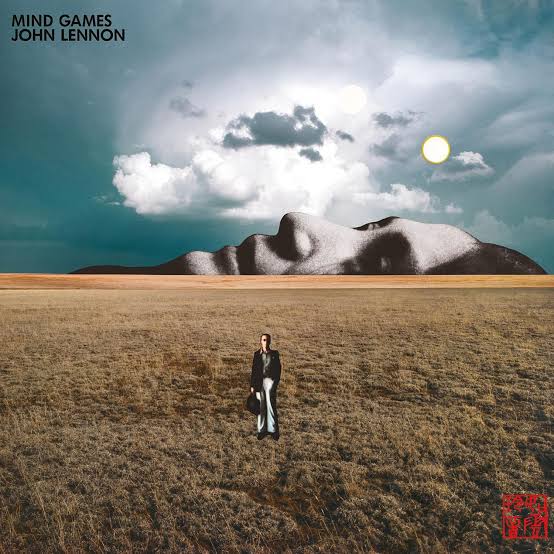
Regarded as “the best songwriter of all time”, John Lennon, previously known for being one of the members of the famous band The Beatles, has been cited as one of the most influential singer-songwriters in music history.
On October 29, 1973, John Lennon released his third solo studio album Mind Games. Being the first self-produced record Lennon recorded without the help of producer Phil Spector, it marked the beginning of Lennon’s departure from the political and social issues he embraced in the previous years of recording music. Having also distanced himself for an 18 month-period from Yoko Ono, Lennon’s wife, finding love with Ono’s musical assistant May Pang during this distance. John mainly wrote and recorded every song on Mind Games in an attempt to chronicle his life perspective of his yearning for Yoko’s absence.
From the heavy Psychedelic Rock theme of the opening track Mind Games, to the bone chilling sounds of Pop Rock heard in the songs One Day (At a Time), You Are Here, Tight A$, and I Know (I Know); each track brings the topics of love and independence into a deeper meaning of remorse and pain, as Lennon struggled with accountability for his personal struggles and reliance on Yoko as a maternal figure.
Upon Mind Games release, it was received as unfavorable compared to Lennon’s earlier albums such as Image, yet over time, Mind Games has been regarded as one of Lennon’s most overlooked and under-appreciated works of the 70’s. Mind Games by John Lennon is the perfect album to set the mood for the autumn season.
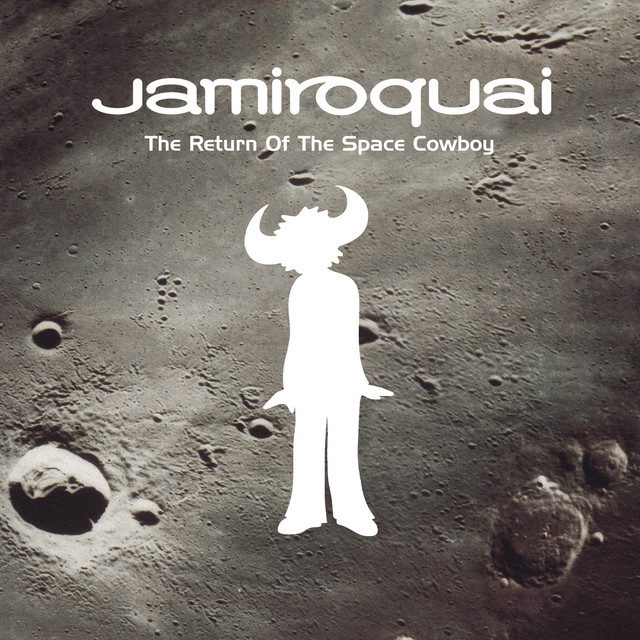
As the movements of Acid Jazz and Funk were beginning to become overtaken by Electronic music in the mid 90s, Jamiroquai took a chance to solidify both movements’ images into connecting their music with the relatable themes of human struggle and hope. On October 17, 1994, The Return of the Space Cowboy debuted as the sophomore album in Jamariquai’s catalog, and was the improvement the band needed to fully launch their musical stardom.
In the beginning of 1993, frontman Jay Kay had gone through a writer’s-block due to his worsening drug addiction, and dissatisfaction with the results of his made up songwriting. He faced immense commercial pressure in trying to replicate the success of Jamiroquai’s debut album, Emergency On Planet Earth. However, all hope was not lost, as Jay Kay decided to take a personal reflection on his mental health, utilizing his songwriting to address the complex social and individual issues of youth protests, Native American neglect, street life, and loss.
It’s songs such as Stillness In Time, Light Years, The Kids, Mr. Moon, Manifest Destiny, and Space Cowboy that implement the upbeat Acid Jazz instrumentation of R&B, Soul, and Pop while nodding to the deeper meaning of life’s struggles that relates to audiences around the globe. From start to finish, each track on the album perfectly embodies the original concept of political, personal, and social views Jay Kay so desperately wanted to spread awareness for while wanting to create a full length album made for satisfaction.
Having a major impact on critics and listeners around the world, The Return of the Space Cowboy stands out as one of the best Acid Jazz albums of the 90s and is often musically compared to the likes of artists such as Stevie Wonder and Sly Stone. However, if it weren’t for this defining album’s release along with Jay Kay’s emotional relation for musical songwriting, Jamiroquai may have never found the success and popularity they established in the ever so changing scene of the music industry. The album embraces the genres of Acid Jazz, Soul, and R&B.
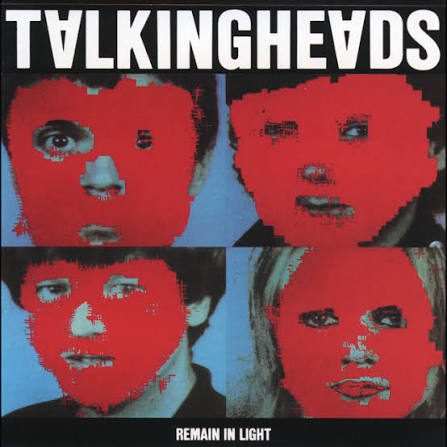
When the genre of New Wave began to kick off at the beginning of the 80s, The Talking Heads were the main band to notably define the genre’s build up in popularity by applying the deep roots of Funk and Punk Rock into their music. On October 7, 1980, Remain in light debuted as the fourth studio album in The Talking Heads discography, and was notably a structural change in dynamic for the band’s songwriting.
Collaborating with the famous producer and songwriter Brian Eno, both Eno and frontman David Bryne took a fond influence from the track “I Zimbra,” previously recorded on the Talking Heads album Fear of Music in 1979, and used the songs instrumental foundation as a way to experiment with the West African genre “Afrobeat”. Shifting away from the standard Western rock/punk backbeats heard on previous albums, and fully embracing the polyrhythmic grooves and electronic instrumentation as a way to make a collaborative effort for the groups dynamic.
From the unique style of David Byrne’s existential preacher persona heard on Once in a Lifetime, to diverse genres of Avant Pop and Art Rock embraced on the tracks Born Under Punches (The Heat Goes On), Crosseyed and Painless, Houses in Motion, and Listening Wind, each song acts as an experimental playground for David Byrne’s songwriting which would later format Bryne’s solo career musical approach.
As Remain In Light found commercial success it stands out in today’s pop culture as one of the best New Wave albums to ever be produced. It defines the experimental push the 80s so desperately sought after during a diverse era in music history Remain in Light by The Talking Heads is an experimental album, relating to genres such as New Wave, Post-Punk, and Funk Rock.