

By Lyra Stoyas, Staff Writer
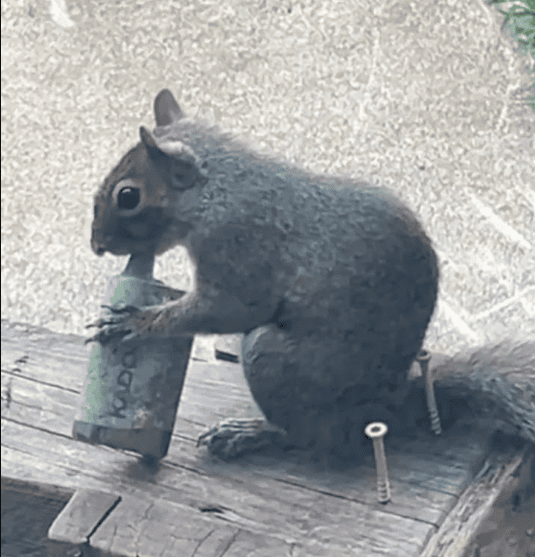
In viral videos stretching from London parks to Philadelphia sidewalks, city squirrels are seen “smoking” discarded e-cigarettes, which are proving to be a growing toxic hazard for urban wildlife.
The occurrence of wildlife observed ‘vaping’ started as a series of curious videos, but has quickly become a major environmental warning. In London and Philadelphia, wildlife have been sighted smoking discarded vapes, illustrating the rising issue of human pollution affecting creatures in urban areas.
At first glance, this may seem humorous, yet looking past the media making light of this phenomenon, experts warn of impending harm to wildlife and environmental conditions. Recent reports have explained that the critter’s olfactory attraction (appeal to their sense of smell) to these nicotine-laden products lies not in addiction to the chemicals, but the animals’ confusion of the sweet and fruity scents with food, sparking naive curiosity about the discarded cartridges.

These local scavengers pick up on the scent lingering around thrown-out vapes, leading them to chew on the plastic vessel. Small animals have a correspondingly small body weight, implying that a slight drop of concentrated nicotine salt e-liquid can cause rapid heart rate, seizures, or death in the animals.
Red squirrel expert Professor Craig Shuttleworth from Bangor University has raised concerns. He argues that concentrated nicotine isn’t encountered in the natural world, posing an inherent risk to the animals’ internal systems. “There have been almost no cases of squirrels carrying around discarded cigarette butts,” so the attraction to vapes comes from the aroma.
Another problem presented is the choking hazard. The risk of ingesting microplastics, a similar worry for Shuttleworth, as gnawing on hard plastic and heavy metal components can cause splintering, leads to internal blockages or punctures.
The Royal Society for the Prevention of Cruelty to Animals (RSPCA) reports that animals like birds and puppies have passed after ingesting vapes. Many animals develop mild effects like vomiting, hypersalivation, or throat irritation. In addition to the nicotine’s toxicity, “the actual e-cigarette casing can result in oral injury when chewed” or result in a gastrointestinal upset, as explained by the Wildlife and Countryside Link in their case briefing on banning disposable vapes.
Beyond the immediate risk of ingestion, disposable vapes act as toxic waste bombs in urban habitats. Vape pods aren’t typical plastic litter; they’re hazardous electronic waste composed of lithium-ion batteries and heavy metals like lead and mercury.
They simultaneously introduce plastic and nicotine salts along with plastics and metals into waterways, soil, and wildlife unlike the average cigarette butt. As these batteries corrode, leached lead and mercury contaminate local drinking sources and bioaccumulate in the food chain, causing neurological damage and reproductive failure in birds, fish ,and other small mammals.
It’s been made clear that over 51% of the population don’t know the proper way to dispose of their vapes, but blame it on the lack of disposal instructions on the packaging. Because disposable vapes contain lithium-ion batteries and hazardous chemical residue, they should never be thrown into household trash or standard recycling bins. Instead, users must take them to designated WEEE (Waste Electric and Electronic Equipment) collection points, local household hazardous waste facilities, or vape shop drop-off boxes.
Vapes have become ubiquitous over the past few years, with England having the highest population of individuals who vape. They account for 5% of the total vaping population despite making up less than 1% of the global population.
This surge in wildlife exposure stems directly from the explosion of single-use devices from brands like JUUL and Puff Bar, which drove a 400% spike in retail sales between 2-15 and 2020. Today, over 1.3 million disposable e-cigarettes are discarded every week in England alone–roughly two vapes every second. Even after England’s June 2025 sales ban, millions of these devices continue to pile up on sidewalks and park trails, turning urban foraging grounds into minefields for curious squirrels, pigeons, and hedgehogs.
As the data from England and the United States show, bans and regulations alone cannot fix a problem when millions of devices are still being improperly disposed of every week. What starts as a fruity scent on a city sidewalk quickly escalates into nicotine poisoning, internal injuries, and long-term heavy metal pollution in local soil and waterways.
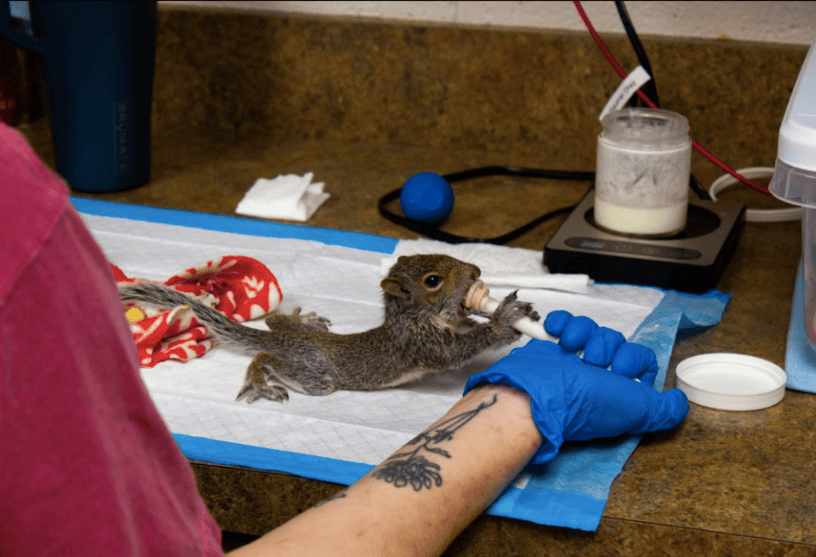
For the animals that mistake these bright plastic tubes for food, the consequences are fatal. Wildlife rescue centers across the UK have reported treating severely dehydrated, trembling hedgehogs and birds suffering from acute nicotine poisoning after scavenging near park benches–many of whom experience painful seizures and do not survive despite emergency veterinary care.
Urban animals like squirrels, birds, and stray pets rely on their senses to survive in human-dominated environments. Until stricter recycling programs, clearer packaging labels, and better public awareness take hold, cast-off vapes will remain a silent, sweet-smelling threat hiding in plain sight.