
Written by Anabelle McKay, Staff Writer
Over $2.7 billion in funding went toward the 2026 midterm campaigns, an expenditure that begs the question of whether modern American politics value dollars or democracy.
A majority of the funds came from Political Action Committees (PACs): Tax-exempt organizations formed by entities such as corporations, unions, and trade associations. PACs pool contributions from both individuals and groups; using those funds, they support specific political candidates or parties. However, PACS cannot directly fund campaigns—their powers only include advertising and endorsing to sway voter opinions.
The legality of PACs was cemented in Citizens United v. FEC, a 2010 Supreme Court case where the Court ruled that restricting campaign funding or expenditure is unconstitutional, as it violates First Amendment freedoms of speech and expression. Proponents of this decision argued that excess regulation would only lead to decreased transparency and roundabout methods of acquiring political funds.
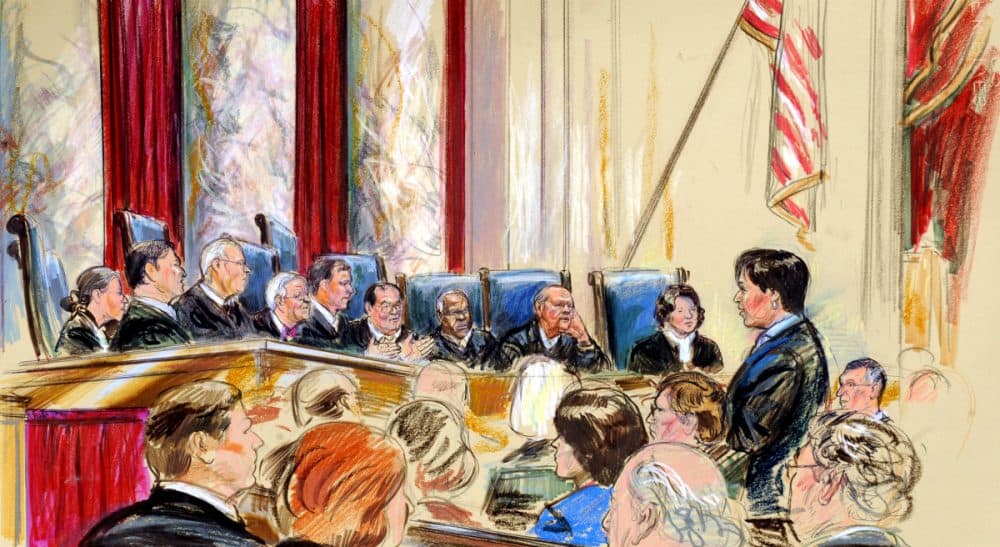
Citizens United v. FEC permanently altered the way campaigns were directed, effectively approving unlimited funding of campaigns, candidates, and political parties. Unregulated funding gave way to intense competition between parties and candidates for money rather than votes.
As of now, there are upwards of eight thousand PACs in the United States. Campaign financing has consequently skyrocketed; the total amount of contributions toward 2016 Senate races was around $650 million, a number that rose to over $1.3 billion by 2026.
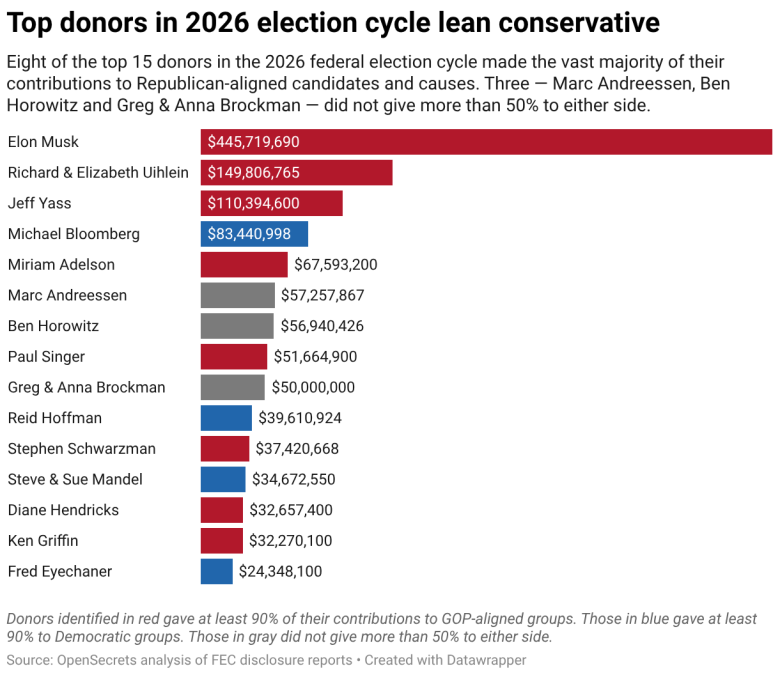
The top 50 donors to the 2026 Senate races all gave over $19 million each, with the largest sum coming from billionaire Elon Musk, who contributed $446 million to various Republican-aligned PACs.
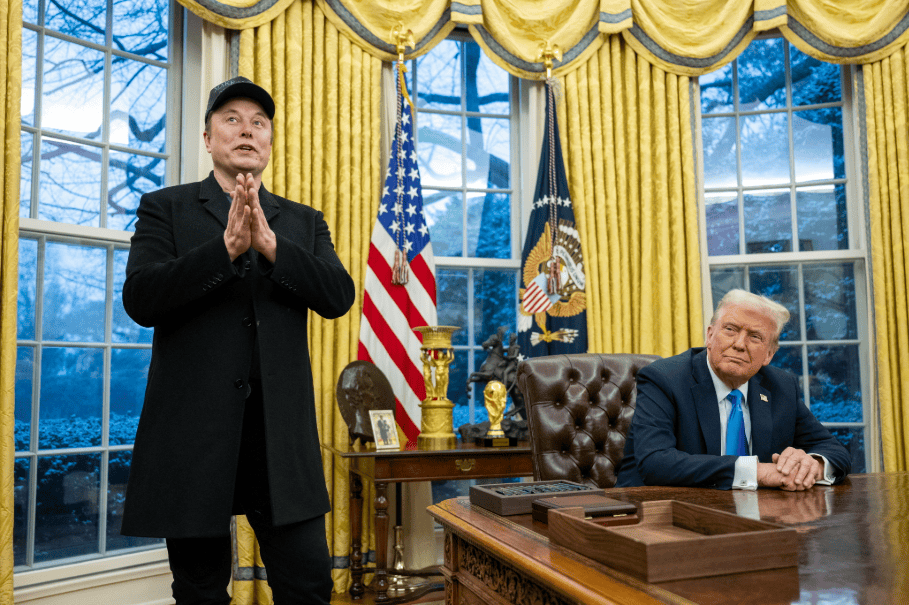
Musk also invested millions of dollars into the 2024 presidential election, after which victor Donald Trump welcomed Musk’s participation in various White House events and Oval Office briefings with open arms, reflecting the political price of the funding roulette.
These mass contributions to PACs mostly go toward advertisement and endorsement campaigns. Public media is then flooded with so much noise from PACs that the voices of voters are drowned out by the needs of the one percent.
With the volatility of modern politics, funding becomes imperative to running successful campaigns. Races have—in part—become financial competitions; any candidate who loses that preliminary battle may not have enough volume to blast their message and override opposing noise.
The necessity of massive contributor support encourages a quid pro quo system that exchanges political favor and power for money. Politicians are then more likely to prioritize decisions that benefit—or refuse to make choices that would anger—their biggest financial backers, regardless of their party or promises to voters. As such, they gain an advantage by appealing first and foremost to the rich and powerful.
Artificial Intelligence-focused PACs are notably prevalent under this structure, contributing a large portion of the funds that went to the 2026 midterms. The Leading the Future PAC, for instance, was founded by various tech leaders and only endorsed candidates who supported AI development. Conversely, Tomorrow Together, a PAC that has close ties to left-wing politicians like Bernie Sanders, supported candidates who proposed AI regulation.
In this system, regardless of a candidate or PAC’s goals, political alignment, and public promises, the wealthy always stay wealthy, with few worries of legitimate legal condemnation from any branch of the political spectrum.
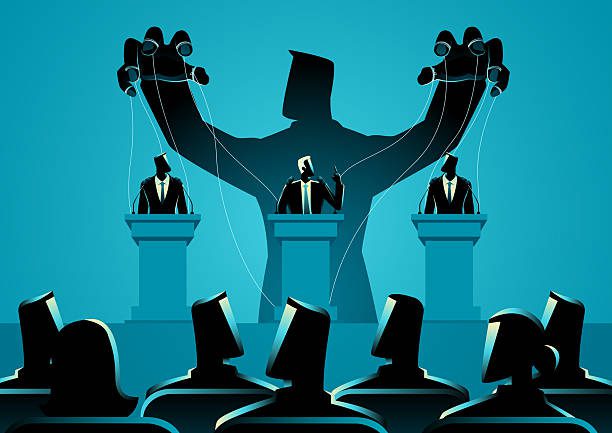
America has inadvertently created a sort of oligarchy where the one percent can use its ever-growing assets to direct the flow of both power and policy. Politicians are now just puppets on strings in an elaborate show of pseudo-democracy, a facade that perpetuates financial favoritism and limits the powers of democratic republicanism, corrupting the core values of American politics.