

By Nate Firetag, Staff Writer
Spotlight interviewed Councilmember Philip Falcone on the claims that Riverside is entering a Renaissance.
Riverside is historically a commuter town, sending nearly thirty percent of its population to her western sisters Orange County and Los Angeles.
OC is renowned for its beaches and surfer culture. LA is a cultural hub, and the global epicenter of the film industry. The Inland Empire, despite being the backbone of Southern California, is often forgotten.
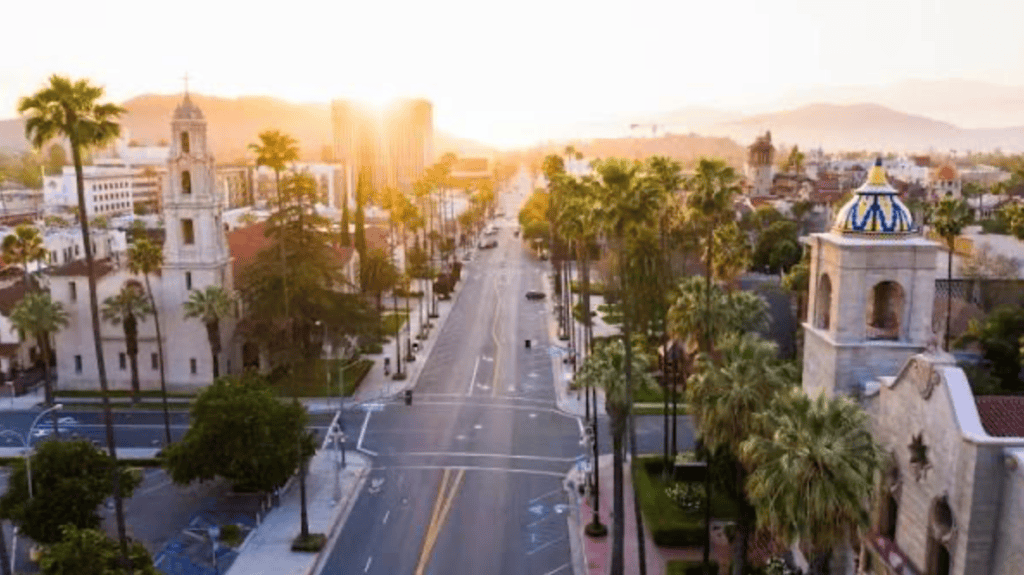
Yet, NBC recently claimed that Downtown Riverside is going through a “renaissance,” mentioning the emergence of new businesses and a thriving art district. Councilman Philip Falcone responded in agreement on his Instagram account.
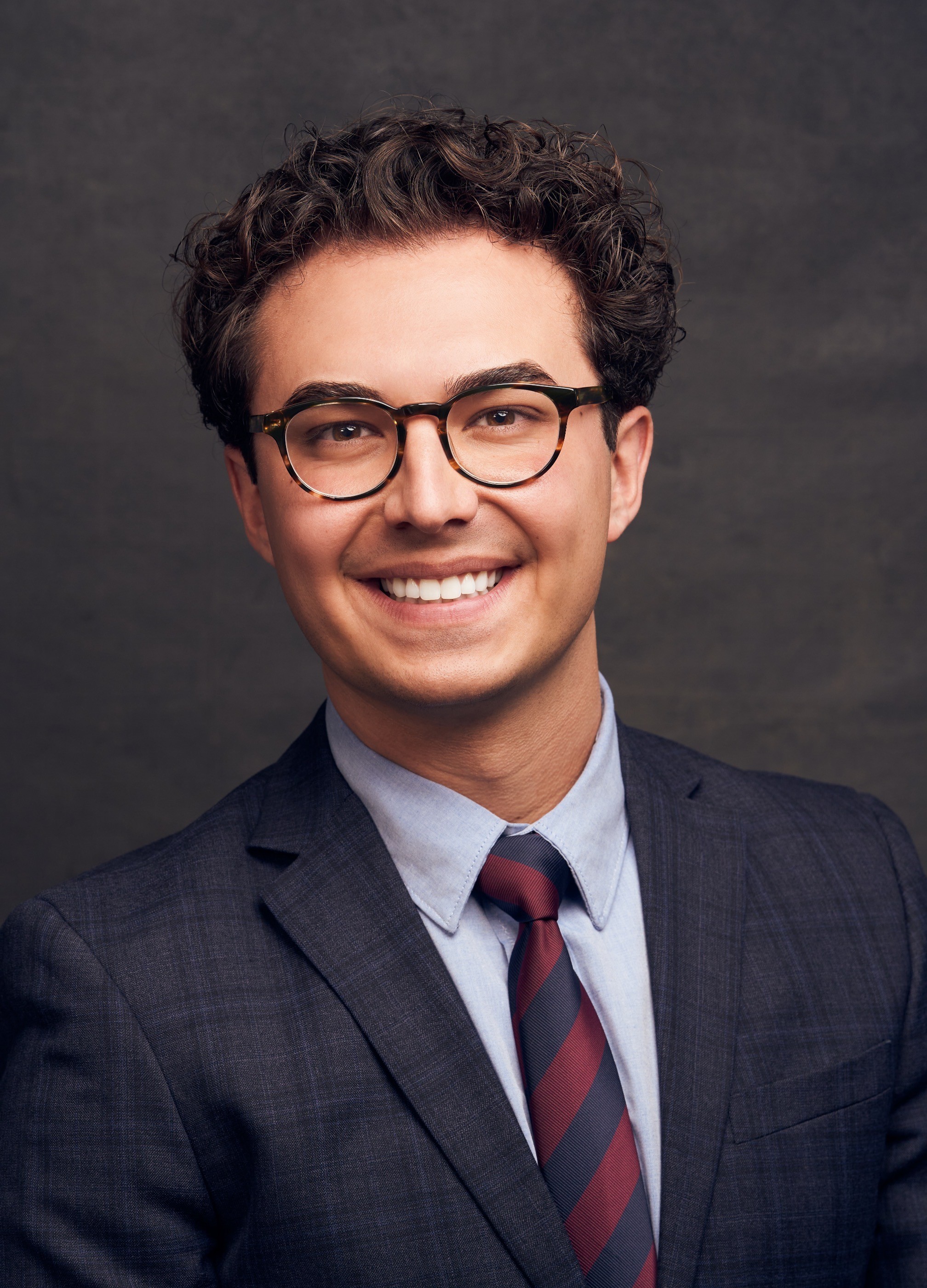
Falcone moved to Riverside in 2005, attending Notre Dame High School. His rise from Notre Dame graduate to councilman is proof you can do anything despite the massive disadvantages put before you.
He recalls, as a child, people abandoning the downtown area in favor of the Tyler Mall or the Riverside Plaza. This tradition is carried on today by any bored Poly student.
Decades prior, the Riverside city government had to face this problem, asking: How do you revitalize a downtown that the city’s own population has given up on?
Former Mayor “Ron Loveridge was so instrumental [in the cleanup],” says Falcone. “But I also think it was a larger city effort of city managers and city planners.” He continued to say that downtown’s popularity is like a swinging pendulum, going in and out of style every few years.
Preventing the pendulum from swinging back is a top priority.
Falcone has overseen District 1 during their historic push to create an arts district. This initiative, which planned to draw citizens back into the downtown area, has been generally successful. The pendulum, as Falcone puts it, has swung in the direction of the downtown.
However, the homelessness crisis continues. Will this crisis grab on to the pendulum and push it back, reversing the progress of Loveridge and Falcone?
Falcone denies this, as, “the unfortunate reality of living in California is that homelessness is intertwined with our reality.” As such, it’s unlikely the continued existence of the unhoused in the downtown area will deter visitors.
Despite seemingly describing the issue as inevitable, Falcone did clarify that he still believes homelessness is worth tackling. However, how he plans to tackle it was not clarified. Earlier this year, he voted against a new housing initiative for Riverside’s unhoused community.
He also added that he does not believe homelessness is the largest issue facing the popularity of downtown Riverside. Falcone claims it is the unavailability of parking that is currently the most complained-about topic.
Assuming Falcone is correct, the underprivileged will not affect the Riverside Renaissance. But will the Riverside Renaissance affect the underprivileged?
Should these attempts of beautification be more accurately described as gentrification? If so, will this gentrification harm the lower class communities that have helped Riverside thrive?
“Rising tide lifts all ships,” says Falcone. He advocates that the market will correct itself. One can only hope he is correct.
Riverside survives as a commuter city. The inland empire as a whole began as an agricultural—and later industrial—center that supported Los Angeles County and Orange County. The city has survived by offering cheaper prices, by not being Los Angeles, and by not being Orange County.