

Written by Samantha Reed, Staff Writer
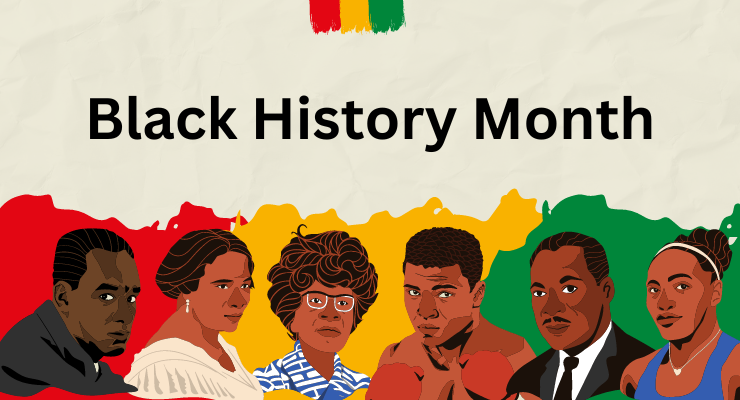
Black History Month is a month to pay respect to those who fought so long for equality. Read further to see how it began.
Have you ever been in History class and realized you only hear certain stories over and over again? Like you memorize dates and big names, but you rarely stop to ask whose stories are missing? Black History Month actually began because Dr. Carter G. Woodson noticed that same problem. In 1915, he founded an organization dedicated to studying and promoting Black history because he believed it deserved serious academic attention. In 1926, he launched Negro History Week in February, building on traditions that already honored Abraham Lincoln and Frederick Douglass. But his purpose went far beyond celebration, as he wanted education to change.
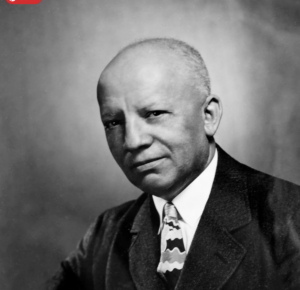
Woodson believed history should not only focus on a few famous leaders. According to the article, The Origins of Black History Month, Woodson believed that history “was made by the people, not simply or primarily by great men”. That line really stands out because it challenges how we are often taught history. Instead of highlighting Lincoln or Douglass, Wooden wanted Americans to learn about the “countless black men and women who had contributed to the advance of human civilization”. He understood that entire communities shaped a nation, not just a handful of well known figures. During the 1920s, as racial pride and cultural awareness grew, Negro History Week spread across schools and communities. Teachers created lessons, clubs formed, and students finally began seeing themselves reflected in what they were learning
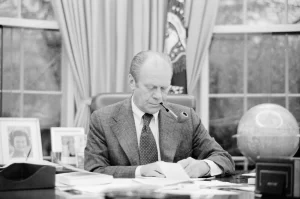
Over time, it started as a week became something much bigger. The civil rights movement of the 1960s had what the article describes as a “dramatic effect on the study and celebration of black history”. People pushed for deeper recognition and more lasting change. By 1976, fifty years after the first celebration, Negro History Week officially expanded to Black History Month. That same year, President Gerald Ford encouraged Americans to “‘recognize the important contribution made to our nation’s life and culture by black citizens’”. This made the celebration national and official, but it also showed that the movement had grown from a small academic effort into something the entire country acknowledged.
Even with all this progress, Woodson never intended for black history to be limited to just one month. In fact, he believed it was “ too important to America and the world to be crammed into a limited time frame”. That quote feels especially relevant today. If history classes only pass for one month, are we really honoring his vision? Woodson hoped Black history would be woven into education year round, not treated like a temporary topic. Black History Month reminds us to celebrate achievements, but it also challenges us to think about how history is taught and whose voices deserve to be heard every single day.
As someone who is mixed, half Black and half white, I sometimes realize there is so much about my own Black history that I am still learning. Researching how Black History Month began made me understand how intentional and powerful this movement was. It is not just about celebration, but about education, identity, and respect. Learning this history makes me want to embrace my culture more fully and continue to educate myself beyond just one month of the year.