Written by Ariel Connell, Staff writer
These clothes may be cute now, but what happens after the trends fade?
While not everyone may be following up on the newest fashion updates, it is true to say that most people have fallen into the traps of recent trends at least once in their lives. These days, it has become acceptable to buy clothes that will only be trending for a few months, even weeks. Fast fashion is “inexpensive clothing produced rapidly by mass-market retailers in response to the latest trends”, as defined by Oxford Languages. This type of clothing style follows up on every micro-trend that changes from week to week, and is meant to be thrown away after one use. However, this mindset is what is harming the environment today.
For example, take the camo and leopard print pants trend from late 2024 to early 2025. While it may not seem obvious, both of those trends fall under the category of fast fashion. If you purchased these items, think: Where are they now? Are they shoved away in a closet after you wore them three times? The most probable answer is yes. That is how fast fashion works. People wear these clothes once or twice, then throw them away once the trend is over. In Earth Organizations publication, it is noted that “92 million tons of textile waste is produced every year,” which is one of the top contenders for waste in landfills globally. If these trends continue, the site claims that there will be over 134 millions tons a year within the next few decades.
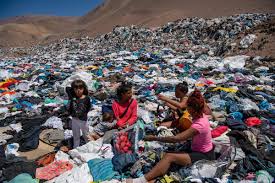
These fast fashion websites like Shien, Temu, Zara, H&M, GAP, and Amazon, advertise cheap clothes to lure victims into buying the most recent micro trends online, which is also aided by fashion influencers posting online. All over social media, fashion influencers earn hundreds of dollars to promote the most recent fashion crazes, and trick people into buying from companies that do not truly care about the current fads. Although these trends are cute, they emit “10% of the global pollution, ranking higher than emissions from air travel,” as noted by The Carbon Literacy Project.

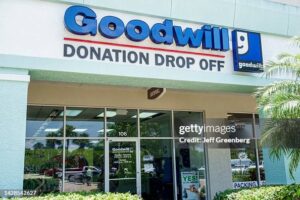
So how can the effects of these harmful business practices be, at least, limited? The entire world cannot stop buying clothes for the rest of their lives. It actually does not need to be the entire world but rather the attempts to reduce waste from fast fashion could start with one person. Instead of buying a new homecoming dress for $75 from Windsor that will never be worn again, consider buying from the thrift store and getting it tailored if it does not fit quite right. When a trend is over, many decide to throw the clothes away; however, donating clothes to people in need to places such as Salvation Army, GoodWill, and other private donation centers is much more suitable for the environment. Ultimately, however, the best way to reverse the harmful effects of fast fashion is to not give into the temptation to buy new clothes. This will not only reduce the profits companies make, which will discourage them from continuing this practice, and will also prevent these flash-in-a-pan styles from ever leaving the warehouse and being discarded as waste. We all can work together to make the planet a cleaner and healthier place by refraining to click “buy”, even if those pants are trending right now.