


By Ella Fortine, Staff Writer
How the rise of political violence that led up to the assassination of Charlie Kirk has affected students.
On Wednesday, September 10th, right-wing influence and political commentator Charlie Kirk was shot at an event hosted at Utah Valley University. He died hours later, sparking waves of discussion, debate, conspiracy, announcements, and retractions. Events like this have become anything but singular in recent political history, and America’s latest trend of violence has a deep impact on the youth of the nation.
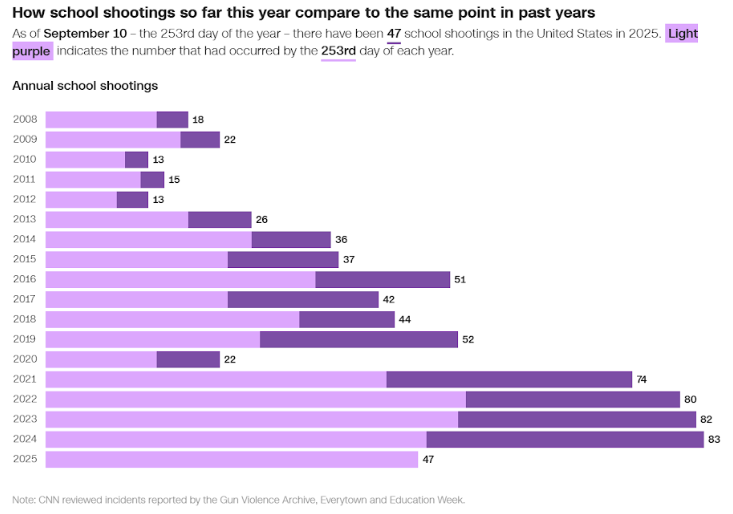
Seniors who graduate in 2025 will vote in the midterm elections of 2026. They will make their first actions as politically active adults under the administration of a man shot on the campaign trail. They will be voting after a year of (statistically speaking) about 80 school shootings. They will have grown into adulthood in a climate of political polarization, violence, and tension. The graduates of 2025, and the graduates of years to come, will not only have to grapple with this climate while voting in their first election, they are grappling with it now. This generation is coming of age in a political era thoroughly shaped by the Internet, social media, extremism, and historic global events. That is something that cannot be overlooked.
When asked what he felt after hearing that Charlie Kirk had been shot, junior Maxwell Cutler-Long answered “scared”. “It scared me because I think our country is already super divided and having something like this, regardless of who the shooter was, I think it will divide the country further,” Cutler-Long added, “that’s a scary future because we’re already in a place where everything is so tense.” Many across the political spectrum have condemned the killing of Kirk, renouncing political violence and calling for peace. But for others, this act of violence is only capable of spawning more, with various right-wing figures, including members of the Trump administration, swearing vengeance. As a media figure known for his fiery debates and incendiary remarks, Charlie Kirk and his ideas have been at the center of the culture war discourse for years. His death was the boiling over of an increasingly tense and polarized political climate, the climax of years of fighting between groups that has gone past verbal on several occasions. This spilling over of anger and division has made victims of more than just Kirk however, as political violence has become increasingly more frequent.
“Political violence is unacceptable,” Poly’s Turning Point USA President Kate Muller professed, reflecting on the impacts of a polarized political environment. “As of right now…especially with the Charlie Kirk situation…and Trump’s election, it’s caused a lot of division.” Unacceptable as it may be, political violence is becoming more and more commonplace. There was the killing of Minnesota Democratic senator Melissa Hortman and her husband this June, the arson of Pennsylvania Governor Josh Shapiro’s home in April, the two assassination attempts on President Trump during the 2024 campaign, the attack on California Democratic senator Nancy Pelosi’s husband in late 2022, the January 6th attack on the U.S. Capitol in 2021, the violence at the Unite the Right Rally in Charlottesville in 2017, various instances of violence committed by extremist groups like the Proud Boys at protest events, the dozens of school shootings motivated by extremist ideology, and more. Kirk was shot at approximately 12:23 p.m. At 12:24 p.m., deputies responded to a flood of 911 calls about a shooter at Evergreen High School in Colorado.
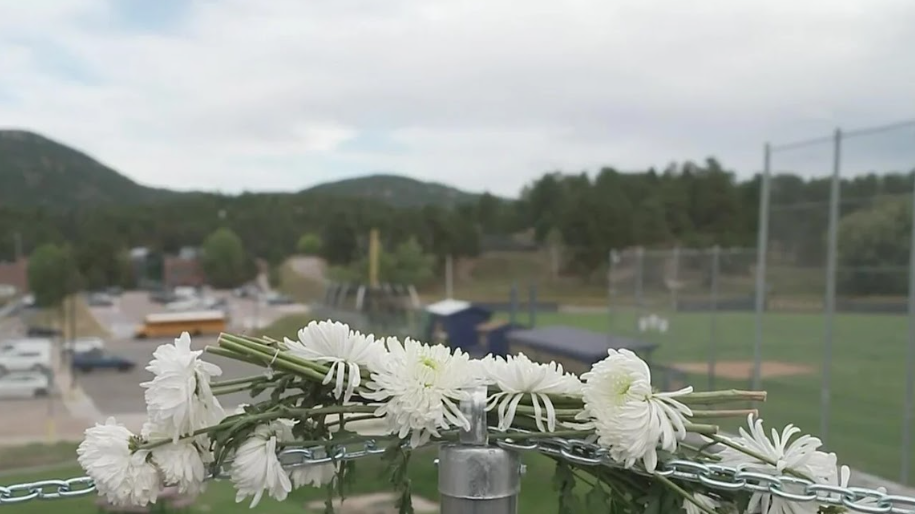
The haunting simultaneity of these events illustrates the extent to which violence has permeated our cultural landscape. Headlines announcing death en masse become every day occurrences, and only the deaths of those holding the attention of the ever shifting creature that is media are deemed worthy of garnering attention. “Seeing [those headlines] repeated over and over again through our childhoods, it’s a scary thing but it really does desensitize a lot of people,” Cutler-Long mused, “a lot of people don’t do research, so they’ll just see the headline and that’ll be the last of their interaction with it. It’s way less impactful than processing that someone died.” He brought up the casualties of the war in Gaza, and how hearing that thousands of people have died doesn’t compare to “seeing the leveled buildings or the children in the infirmary” (Cutler-Long, 10). This rings true of Kirk’s death as well, as footage of the shooting has circulated widely online. Viscerally seeing a man die has a much different effect than just reading about it, and this effect is only possible because of modern technology, highlighting the uniqueness of the political climate Gen Z is accustomed to.
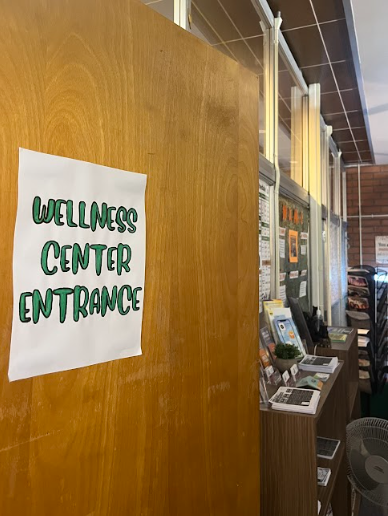
Living in what can, at times, feel like a continuous onslaught of news of violence has a distressing effect on students. Ms. Castillo, part of the Wellness Center Staff here at Poly, attests to the impact of an environment of tension. “Anytime there’s things going on culturally or globally, we do see students being more affected. Their anxiety increases, depression may increase, fear may increase.” She mentioned how often specific events will drive more students to seek comfort and counseling from the Wellness Center. Fortunately, here at Poly, in a stressful and divided era of the national conversation, students have a safe space to have someone listen to them who cares about them. Being able to create calm in a time that feels so chaotic is important, and it is even more important for young people.
Peace cannot be forged in chaos, and having the capability to have calm, respectful discussion is the first step to forging that peace. “There’s too much exclusivity and not enough listening to other people,” lamented Cutler-Long. Muller similarly stated, “we should just respect each other. We shouldn’t kill someone for what they believe in.”
Students differ fundamentally on many issues. None of that matters when it comes to the increasingly normalized violence of our political atmosphere. Political violence does not have a side of the aisle it chooses to make its only home. It is the result of anger feeding anger, of hate feeding hate, and extremism being taken to its only possible conclusion. It is for the youth of our nation that this division, this anger, must be reconciled to prevent this increasing violence from spiraling beyond our control.