

Written by Zander Hix, Staff Writer
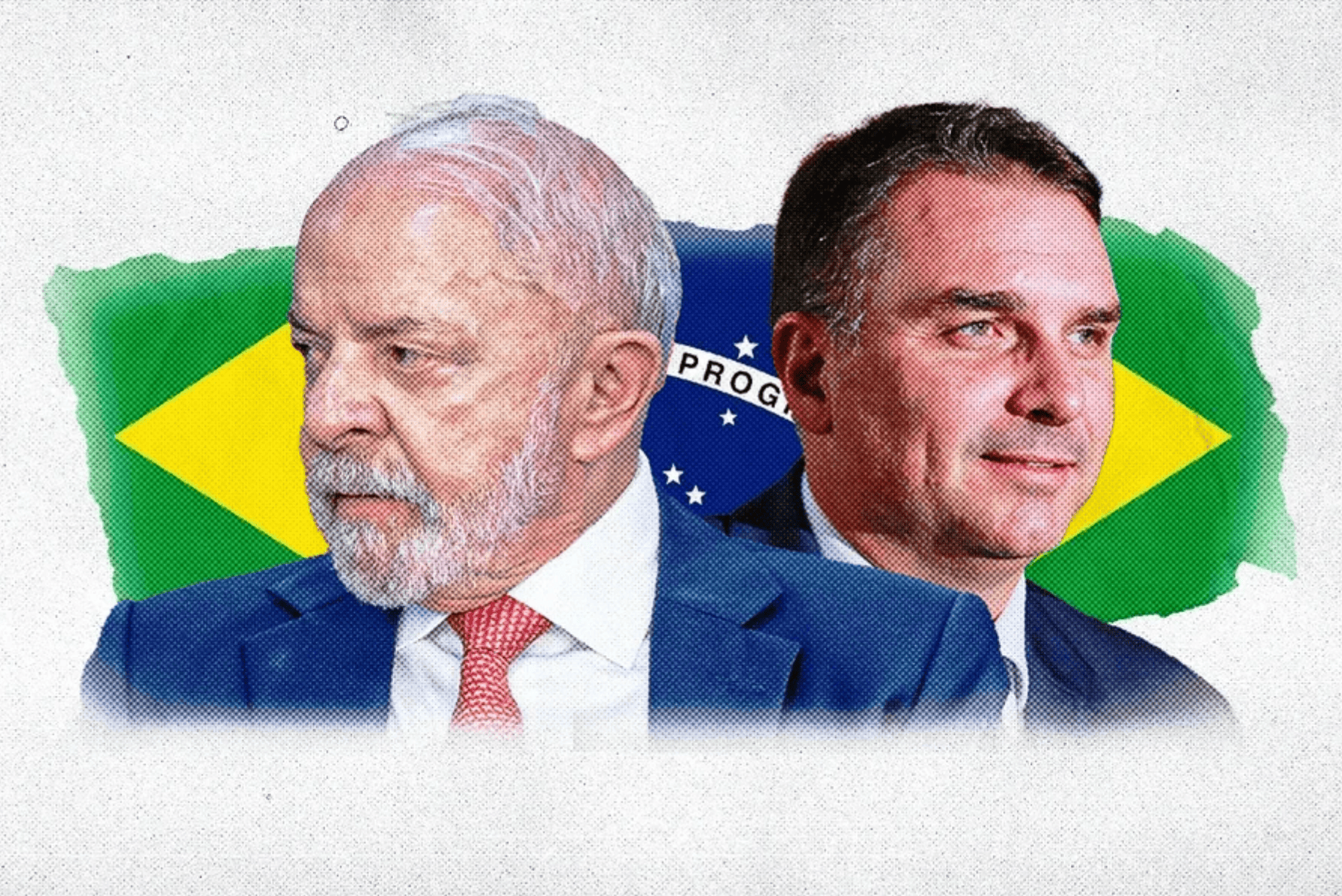
Left-wing president Luiz Inácio Lula da Silva reelected president of Brazil in a massive upset victory after trailing the polls.
On October 4, 2026, Brazil held national elections to decide control of the country’s national senate and chamber of deputies, but most importantly, the presidency. Brazil’s top two runoff system requires presidential candidates receive at least 50% of the popular vote to be elected, and in the first round, Flávio Bolsonaro—Trump ally and son of far-right ex-president Jair Bolsonaro who was jailed due to his participation in an attempted coup d’état after losing the presidency 4 years prior—placed first with 47.03% of the national popular vote. Incumbent left-wing president Luiz Inácio Lula da Silva, more commonly known as Lula, garnered 45.16% of the vote.
Since no candidate reached a majority of the vote in the first round, a runoff was held between the two candidates on October 25, 2026. Although polls maintained that the race was close and could swing either way, Flávio Bolsonaro led nearly 90% of polls taken following the first round of elections. But the only poll that mattered, the second round election, happened to be the poll that broke in Lula’s favor, in which Lula won 51.89% of the vote and Flávio won 48.11% of the vote—an absolute shock to many pundits.
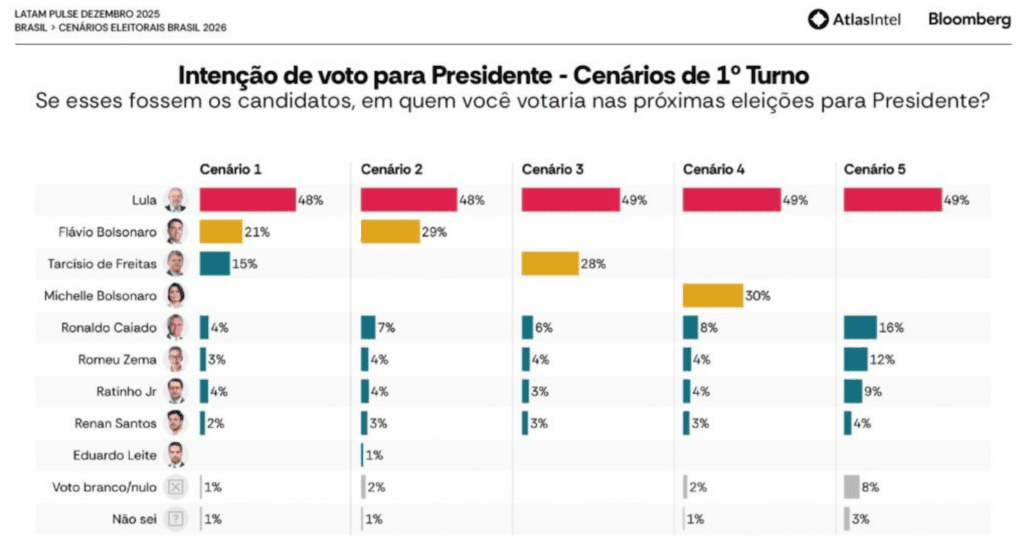
The unlikely matchup between two political anomalies comes with complicated context. Following presidential elections in 2022, unpopular president and former military officer Jair Bolsonaro of the far-right Liberal Party was defeated in a close race by challenger Lula, five-time presidential candidate who served as president from 2003 to 2011, before being imprisoned for two years on charges that would later be acquitted. Unable to accept his election loss, Jair Bolsonaro fueled claims of election fraud, and on January 8, 2023, supporters of Jair stormed the country’s capital.
A combination of clear attempts to remain in power following his election loss that even involved the military, and his involvement in the January 8 attacks, led to the ex-president’s 27-year prison sentence. Despite these charges, his Bolsonaristas were still steadfast in their support—whether it be for the father or son Bolsonaro.
On January 1, 2023, Lula officially took office. Lula, a staunch leftist and former union leader, had the tough task of bridging the ideological divide between the left-wing fanbase who voted him into office and Bolsonaro fans who resented the fact that Lula was inaugurated.
Throughout his term, Lula was able to raise the country’s minimum wage, expand affirmative action programs, expand the length of maternity leave, and achieve strong economic growth despite a flailing international economy—but nonetheless experienced low approval ratings, averaging about -10% to -15% in most approval rating polls half-way into this term, a problem he did not have in his first two terms, where he enjoyed approval ratings averaging +30%, to as high as +80%.
After Lula decided to run for a fourth term—his seventh presidential campaign—the Bolsonaro dynasty was looking to capitalize on the 81 year old’s unpopularity. Various members of the Bolsonaro family hinted at running for political office, including Jair’s wife, his three sons, brother, and even ex-wife. An official candidate for the presidency was chosen when Jair announced from his jail cell that his eldest son Flávio would be the Bolsonaro family’s choice for president, and the rest of his family would run for down ballot races.
Although he was initially met with skepticism from the general public, Flávio’s polling numbers rose shortly after his announced candidacy, consolidating support from his father’s presidential campaigns and even winning over disaffected Lula supporters.
When election results were first reported, Lula took an early lead. After more and more votes came in, it was clear that Lula was performing well enough to maintain a lead on Flávio, and it was announced that Lula would be reelected president. The gains that Flávio had made that led him to victory in the first round were erased.
Pundits retrospectively attribute Lula’s shocking victory to a strong second-round ground campaign mobilizing Lula voters who did not vote in the first round, and strong debate performances from Lula. Two moments that stood out to voters during second round debates included Flávio degrading Lula for receiving 60% of the votes from the prisoner population, to which Lula quipped back “I want 100% of prisoner votes, including your father’s!”
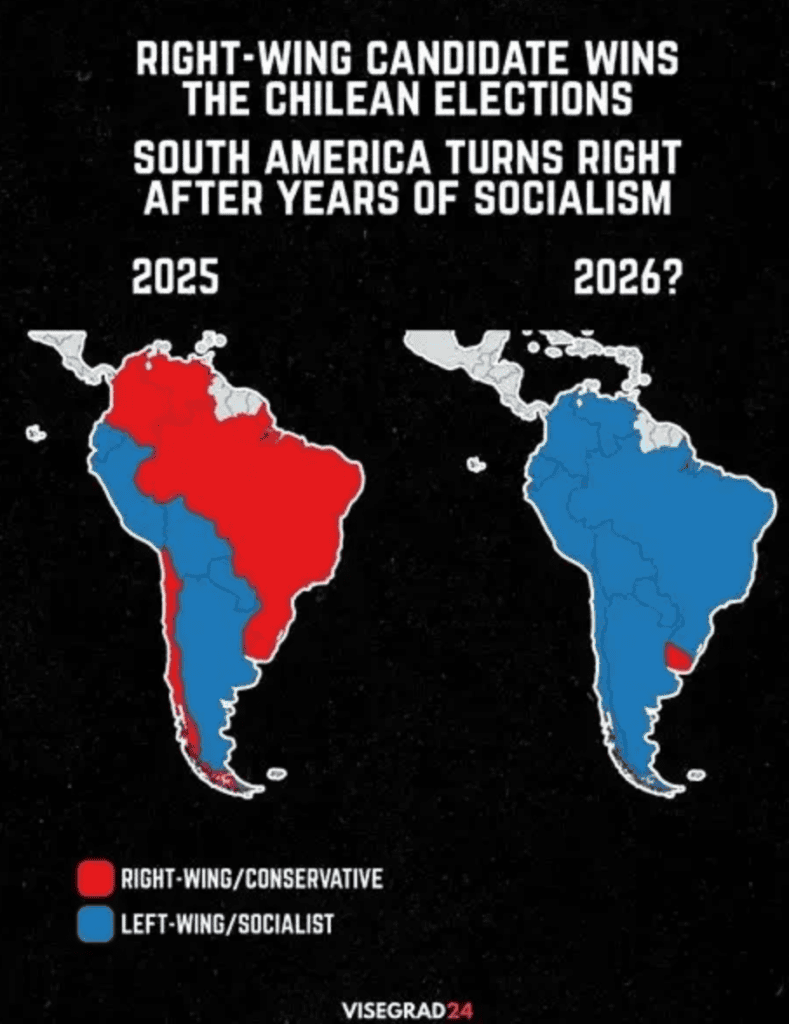
Lula remains in a peculiar situation due to his reelection in the midst of both a broader period of international backlash against incumbents, as well as a South American rejection of left-wing politics. With high inflation globally, post-pandemic frustration, anti-establishment distrust in political institutions, and a discredited left-wing due to growing South American crime, the odds have been stacked against a successful third term for Lula amidst a predominantly right-wing chamber of deputies (equivalent to the American House of Representatives). Lula will also have to balance the Trump administration’s exertion of power, who have historically been unfriendly to Lula’s left-wing populist politics, in addition to a growing number of right-wing neighbors.
Luiz Inácio Lula da Silva will remain Brazil’s president until 2028, where he will likely leave office at 85. The shocking reelection of Brazil’s left-wing firebrand signals resistance to an international shift to the right, especially prevalent in South America. Balancing internal dissent, continental dissent, and Trump’s hardheadedness, Lula will have to learn how to juggle, as failing could mean a successful Bolsonaro 2028 campaign.