

By Alayna Arias, Staff Writer
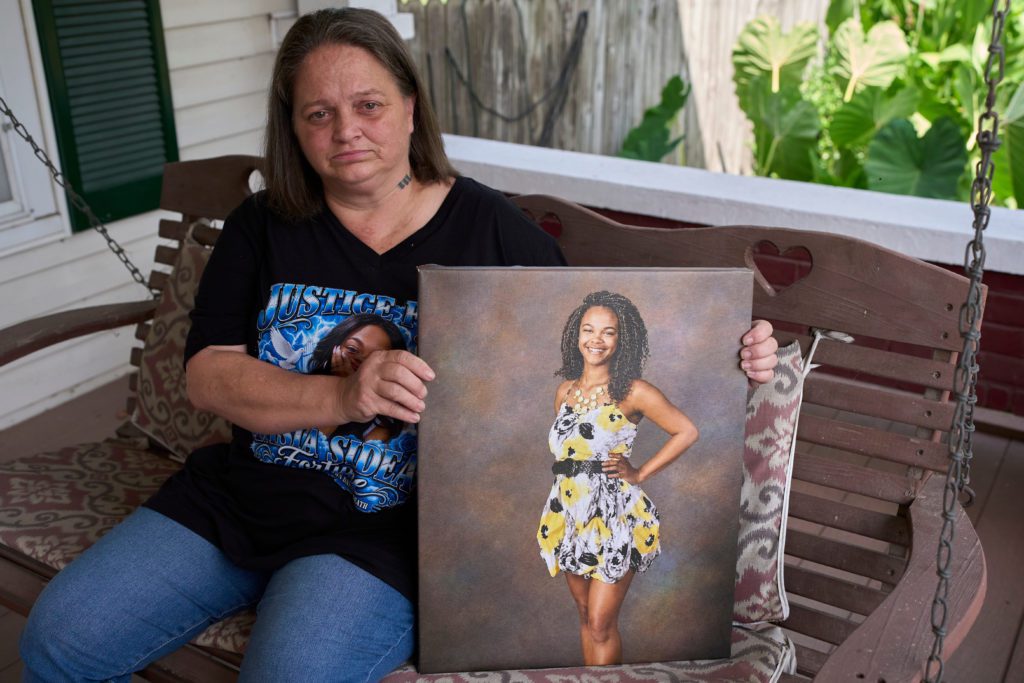
Tasia Fortune, a 29-year-old Black woman, was found hanging from a tree in Mississippi on August 3, 2026. While authorities have charged multiple suspects, questions remain regarding the circumstances of her death.
Tasia was a mother of four, originally from Marion Kentucky, but had been living in Jackson Mississippi, for a decade. On August 3rd, Jackson police responded to a vacant home, arriving to the sight of Tasia’s body hanging from a high tree branch.

For over five weeks her family was unaware of what had happened to her, due to investigators avoiding conformation of her death. Instead of referring to it as a homicide, investigators admitted that “they were still working on determining the circumstances surrounding her death.” However, Tasia’s family didn’t believe that she took her own life. Her mother and sister continued to speak publicly about her, describing her as a devoted mother who had been trying to rebuild her life after experiencing periods of homelessness and unemployment. She was even working towards starting her own cleaning business.
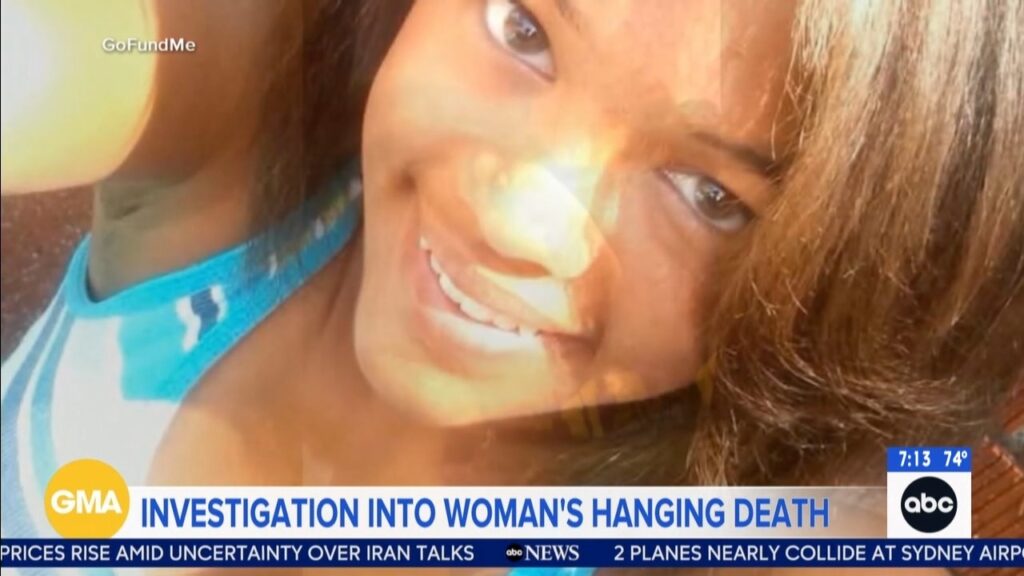
The circumstances around her death were drawing attention nation wide, partially because of the circumstances of her death being familiar in the Mississippi, a state with a long and painful history of racial violence. Her death renewed attention to other unresolved deaths of black victims in the state. On September 10th, the Mississippi State Medical Examiner’s Office officially ruled her death a homicide with no foul play. Jackson Police Chief Rochelle Brackney announced that investigators had obtained search warrants and an arrest warrant for 51-year-old Jarques Ratliff. Police say that Ratliff had a prior association with Tasia, though they haven’t publicly explained what that relationship was or disclosed the specific evidence connecting him to the case. Tasia’s mother, Christie Spivey, told the AP that she cried when she learned about the arrest, explaining that said that she didn’t know Ratliff, nor did anyone else in the family know him, and that the family is in disbelief with a lack of answers.

When the media got word of this, they found this whole case to be odd, as the police originally weren’t going to open up an investigation about the lynching until the public started to demand it. Witnesses claimed that she was hung up so high that a Fire Department ladder truck was used to help remove her from the tree, yet Ratliff was a 51-year-old man who has a frail appearance. Law enforcement also claimed to serve two search warrants at his home, even though his home is not available to find in any public records, including any other information about the man. To make matters even more suspicious, police found Ratliff strolling down Capitol Street in Jackson City with an active arrest warrant out for him.
This week, Ratliff made his first court appearance. He pleaded not guilty to murder and was denied bond. His attorney told reporters, “A charge is just merely an accusation. It’s not a conviction. Police say that this investigation isn’t over.” Chief Brackney said that investigators had already interviewed nearly 15 people and that additional arrests could be coming as they continue following the evidence.
Her death however, fits into a troubling pattern, as black women are statistically killed at a higher rate by men in comparison of white women in the United States. Research also shows that black victims, especially women and children, get far less media coverage than their numbers would suggest. Tasia’s family spent far too long waiting for answers, and now, hopefully, they might get some.