

Written by Genevieve Rios-Zamora, Staff Writer
An increase in food recalls due to potential contamination has been reported by the Food and Drug Administration (FDA) and the U.S. Department of Agriculture (USDA), causing great concerns over food safety.
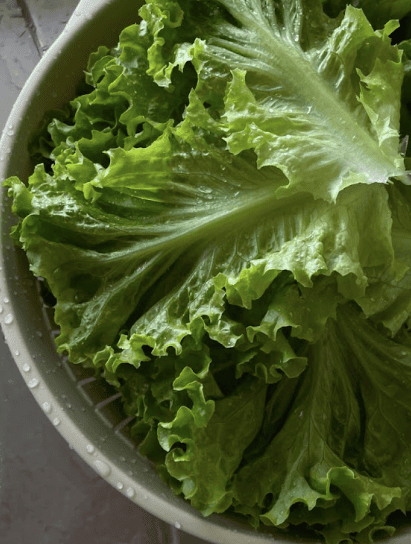
Back in July, a cyclosporiasis outbreak in mainly lettuce products led to many hospitalizations due to symptoms such as nausea, diarrhea, fatigue, and abdominal pain. After being linked to Cyclospora-contaminated lettuce manufactured by Taylor Farms, the product was recalled and removed from restaurants and grocery shelves. Now, it seems as though several food items are being recalled left and right. This seemingly increasing spike in recalls and safety alerts has caused public health concerns among the masses.
The FDA and USDA are the main government agencies in charge of regulating food safety. Between the start of September and October 5th, the FDA listed recalls on 22 food items and four dietary supplements on its official website. Meanwhile, the USDA recalled six food items between the start of September and October 2nd.
Surprisingly, the number of recalls in 2026 is similar to trends from the past years. As of October 5th, the FDA has recalled 378 food items, compared to 461 in 2024, and 438 in 2022. The numbers haven’t changed much with the USDA either. As of October 6th, the USDA and Food Safety and Inspection Service (FSIS) have recalled 41 food items, compared to 55 in 2024 and 69 in 2022. The real concern then comes from how these recalls are occurring on such a large scale in the nation.
Affected brands include Home Grown, WinCo Foods, Trader Joe’s, Bettergoods, and Whole Foods Market, to name a few. Among the most recently recalled items are products such as ice cream, cheese, pasta, fruits, vegetables, and salsa dip. Additionally, the FDA has commonly noted the presence of potential foodborne illnesses, pest contamination, allergens, and harmful substances such as lead in listed products. Consumers are advised to return or safely dispose of recalled products and to seek medical attention if they believe a contaminated product has made them sick.
The situation also has been exacerbated in the political field due to the Trump administration’s budget cuts, which led to a large number of layoffs in both the USDA and FDA. Critics argue that this has led to a lack of proper oversight in food regulation, production, inspection, and manufacturing.
Ultimately, it’s important for consumers to stay informed on recalls without engaging in paranoia. Regularly checking reliable sources such as the FDA’s official website can help in staying updated on recent recalls. Being aware and informed about which brands or products to avoid and shopping mindfully can help protect consumers’ overall health and safety.