

By Rowen Sullivan, Staff Writer
Whoever said style should cost a fortune needs to take a trip to their local thrift store.
Historically, thrifting has been viewed as the dusty alternative to mainstream fashion, often seen as a last resort for those on a tight budget. However, as society churns out new fashion trends at every turn and social media influencers persuade consumers to buy “the coat that changed their life,” people are beginning to turn away from the expensive, often unreliable products that are a result of overnight fashion trends.
Instead, they seek pieces that have proven their sturdiness, having passed the test of time and love. For example, vintage luxury items are often donated to thrift stores, whose prices are a far better bargain than the original hundred dollar plus price of a single item, brand new.
Because it can be very expensive to fund a new wardrobe, thrifting allows people to change their style without much expense. In a way, thrifting is like one large wardrobe swap. When people get bored of their clothes, they can donate them and replace them with different pieces that someone else once loved and passed on, while remaining cost effective.
Thrifting a wise choice financially, leading to a rise in popularity among the new generation. Instead of going to the mall to window shop items outside of their budgets, young people are now going to local Goodwill, Salvation Army, and vintage stores.
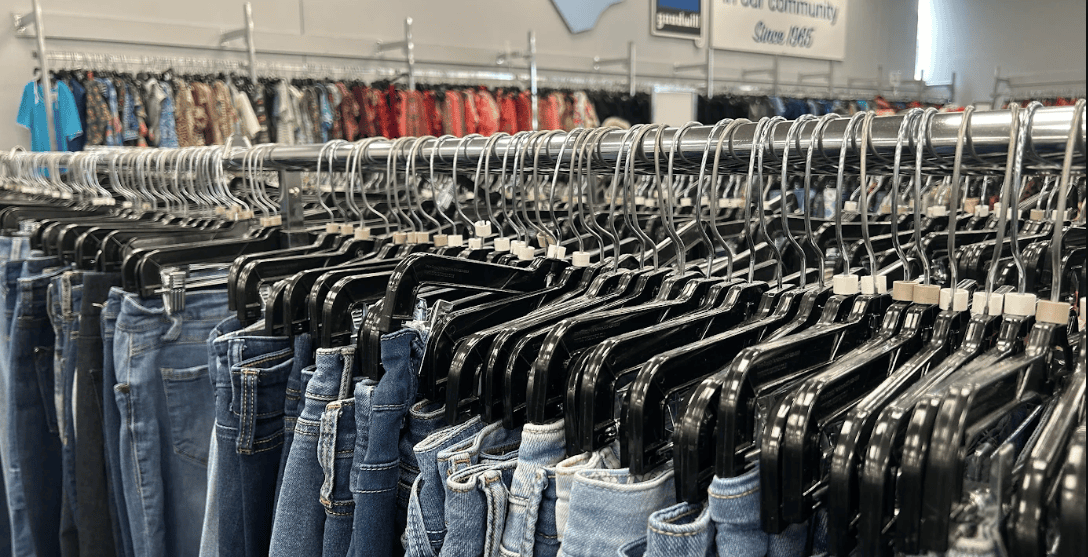
Now, people are not only thrifting to find cheaper priced clothes, but for the experience as a whole. For many, flipping through the random racks is a sort of treasure hunt. With each flip of the hanger, they never know what they’ll find.
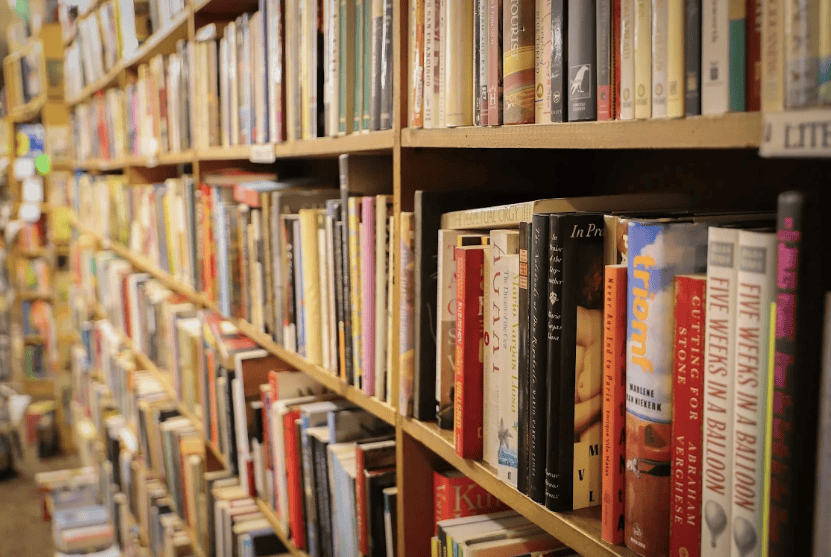
Recently, this craze has intensified because of the return of the infatuation with everything vintage: clothes, cameras, vinyls, classic books, broken in shoes, wooden picture frames, and silver jewelry bowls have all had a recent upsurge.
The new generation is straying away from fast fashion, which has always plagued American consumerist society, and pushed young people to create their own unique style. They are able to personalize their wardrobe by shopping in stores that are not limited to modern day fads, but house pieces that could have been found in magazines when their parents were kids.
The continued use of clothing after the first owner no longer uses it has a lasting, positive impact on the environment. A Sustainable Guide to Thrifting, a study by the University of Boulder Environmental Center, estimated one pair of jeans uses “about 1,800 gallons of water in the manufacturing process and cotton growth.” The study concludes that keeping clothes in use longer “can help limit wasted resources through decreased demand for new products.”
By purchasing secondhand clothing, consumers allow garments to serve a purpose beyond their original owners, making the most out of the resources used to produce each item. More importantly, thrifting helps the environment by reducing the amount of textile waste that ends up in landfills.
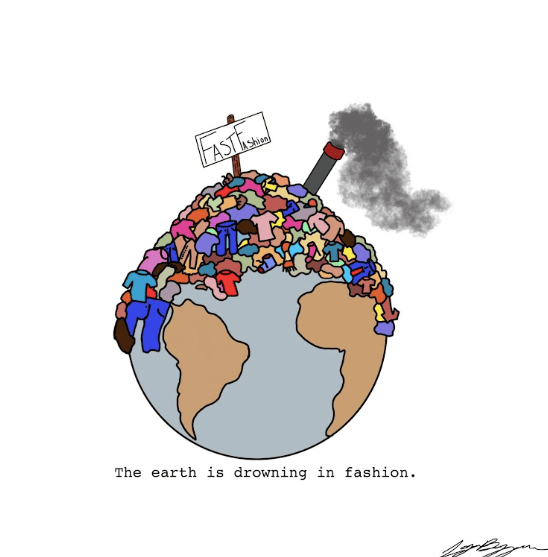
Polyester and other synthetic materials commonly used in clothing can take over a hundred years to decompose. As fast fashion and ever changing trends encourage consumers to constantly replace their wardrobes, the environmental consequences continue to grow. Thrifting and antique shopping extend the life of clothes, furniture, and accessories, contributing to a cleaner and more sustainable environment.
In addition to their environmental impact, thrift and antique stores also make an impact within communities. Many stores’ proceeds go directly back into the community through myriad avenues. Corporations like Goodwill specifically support disadvantaged individuals by providing employment opportunities, job training, and career counseling. Others act as non-profits or partner with charitable organizations, youth programs, and animal shelters, allowing everyday purchases to support those who extend far beyond the stores themselves.
What began as a cost effective possibility for those with limited options transformed into an avenue for the new generation to get the most out of what they buy. Thrifting allows consumers to express their individuality without much cost, reduce waste, and give back to their communities. In an age where the norm is paying exorbitant amounts of money and poisoning the earth to keep up with what’s popular, people are making a conscious effort to find the charm and value in the old, proving that self expression shouldn’t have to come at the expense of the planet.