

Written by Keira Eveland, Staff Writer
Online fashion aesthetics influence how people express themselves, categorize personal style, and shop for clothing.
“Aesthetic” has become more than a description of personal style; it has become a way to categorize identity. An aesthetic is a vibe, a defining style, a way of expressing individuality. Aesthetics can help people develop a recognizable image, creating a personal brand and providing a sense of identity.
The suffix (-core) has become a popular way to categorize visual styles and internet trends. Cottagecore, scenecore, cutecore, and countless others have become labels for specific styles, interests, and appearances. These labels make trends easier to identify and search for, but they also reflect a broader tendency to categorize personal expression.
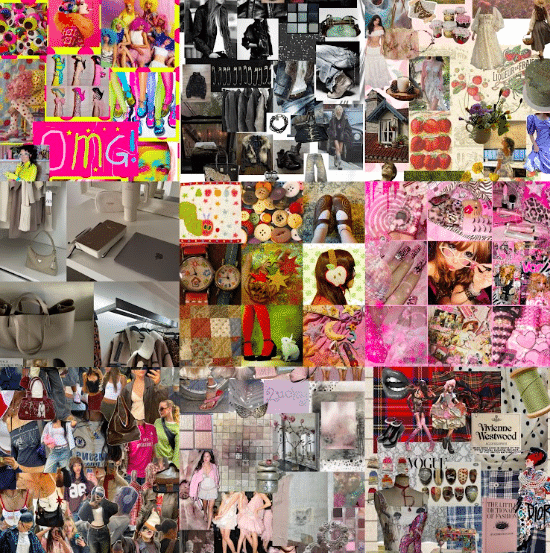
Rather than simply appreciating someone’s unique style or taking inspiration from it, people may want to create a name for it to find similar pieces and recreate the look. This turns personal style into something that can be categorized, replicated, and marketed.
However, aesthetics are not necessarily bad. They offer guidelines based on someone’s interests; discovering a style, like coquette, could help someone discover an interest in feminine, pink clothing. From there, the style can serve as inspiration, allowing room to explore individual preferences and develop a personal look.
At the same time, not everything needs to be given a name. Sometimes, a combination of clothing, colors, a certain silhouette, and accessories simply appeal to someone without fitting into a specific category. Expecting personal style to remain consistent with one aesthetic is unrealistic. It is an integral part of individual taste and personal style to mix and match different styles, or even embrace an entirely different look from one day to the next.
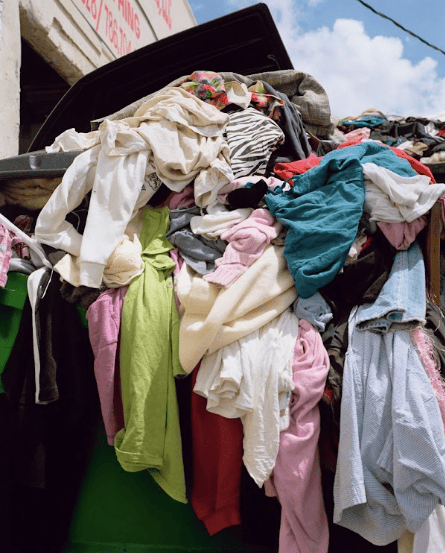
The problem with aesthetics arises when labels become shopping lists rather than sources of inspiration. People should be experimenting with fashion, slowly building wardrobes over time and finding pieces that feel right, not buying an entirely new wardrobe on SHEIN every time interests change or a new style is “in.”
The rise of internet aesthetics also ties into capitalism and hyperconsumerism. Sites like SHEIN and Temu make it easier to purchase inexpensive, fast-fashion clothing, making it easy to recreate an entire aesthetic through shopping. When trends change, those purchases can quickly become outdated or irrelevant, potentially encouraging another round of spending and tossing, contributing to textile waste.
Beyond encouraging overconsumption, the pressure to fit into a particular aesthetic can limit self-expression. A person can enjoy coquette fashion while also liking grunge, vintage clothing, or bright and fun-colored clothing. Personal style does not have to fit neatly into a single category to be authentic.
Aesthetics can provide inspiration and a sense of belonging, but they should not become requirements for developing an identity. Personal style develops through experimentation, changing interests, growing up, and discovering individual preferences. It is not authentically formed by purchasing everything associated with a trend.