

Written By: Noemi Martinez, Staff Writer
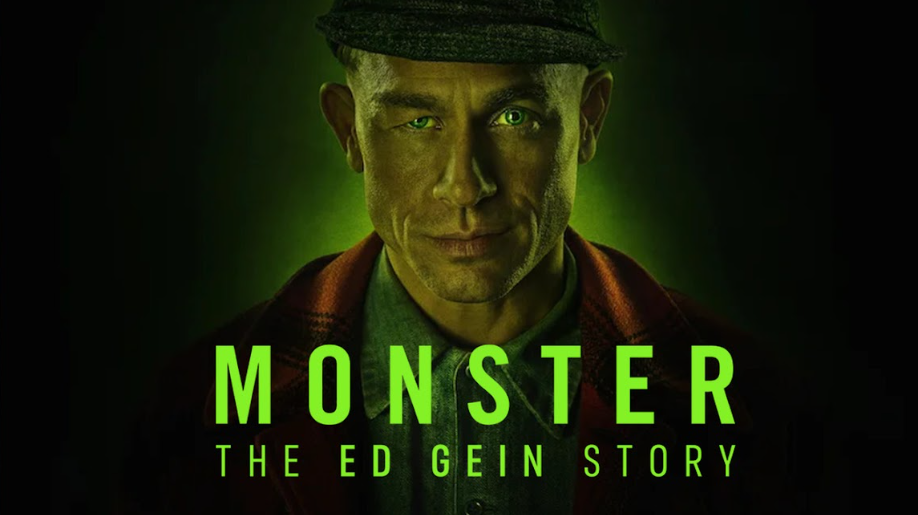
The storytelling boogeyman is back. Famous creator and writer of American Horror Story and Glee, Ryan Murphy has written of new horrors – only, these ones are based on reality – in his ongoing series: Monster. Originally gaining traction with the release of Monster: The Jeffrey Dahmer Story, followed by the heavily controversial second addition focusing on Lyle and Erik Menendez, he has released the third and most recent season. The third addition focuses on Ed Gein – a murderer, grave robber, and debated serial killer. The purpose of the Monster series is to spotlight the life and actions of notorious killers, providing a thriller spin on true stories. However, many criticisms arise with Murphy’s method of handling these stories.
Starting off, there’s a frightening amount of dishonesty in his work. There are many facts, such as Ed Gein having aided in helping find Ted Bundy, being portrayed as true when that plainly did not happen. Later scenes portray Gein as a sweet, remorseful man in his senior years, which is not a fully accurate portrayal of his character. There are also multiple murders shown which either did not occur or have no proven connection to Gein. Additionally, there’s an entire love storyline based off a real woman named Adeline Watkins, who he had no proven romantic connection to. While there are always going to be inaccuracies in true crime or documentary based media, it’s wrong to choose to falsely portray the truth, especially when accounting for the sensitive nature of the topic. Ed Gein was not a morally corrupt character. He was a real man who committed real atrocities. Additionally, his work has a track history of being made without consent of victims or their families, and is based on limited or heavily biased information. Not only does he use these limited facts, he spins them into a story that is creatively confused and wildly insensitive. As a consumer of this media, it is disturbing to imagine how victims and their families feel watching this individual – who contributed to horrific circumstances in their life – be portrayed in such a way.
Particularly with the inaccuracies to character, Murphy often tries to take a sympathetic spin on the character of the murderers, revealing aspects of their lives to evoke empathy in audiences. While nuance is a positive when covering topics such as these, Murphy tends to focus a spotlight on the pain of the murderer rather than the victims. Not only in Gein, but similarly in his season about Dahmer. The genuine suffering of victims is often ignored in favor of maximizing the emotional and mental struggles of the transgressor and in harmful ways.
As mentioned, nuance is generally a positive for documentaries; not to minimize the events, but to add extra contrast that prevents the black and white view people tend to adopt in shocking events. Covering extensive mental health issues or childhood events can add context to horrific actions and spread awareness about the dangers of trauma and mental illness. But, in order to do this effectively, it cannot be ignorant. Mental illness is not a direct cause of violent crimes, it can be a contributor, and it is dangerous to paint all those struggling psychologically as inherent dangers. Murphy often does not take this into account. Mental health issues of the subjects are often used to exaggerate story lines and add a dramatic edge. Ed Gein had schizophrenia, and while this information could have been used to bring awareness or add a frame of context to his actions, it was often used solely for shock value. This minimized the impact of schizophrenia in his life and misrepresented it.
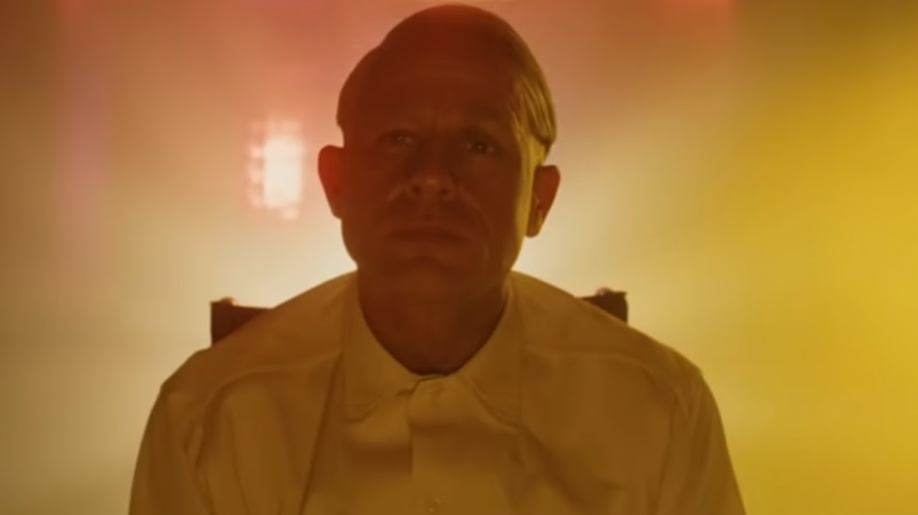
Creatively, Murphy often uses a mix of reality and experimental elements in all of his works, often to the detriment of the media. There’s a bizarre scene during Ed Gein’s death where he’s surrounded by other murders and serial killers – such as Charles Manson – throwing a dance party for him in the afterlife. To even imagine that sentence is absurd. Many scenes featuring murders are also dramatized and strange, as there is often inappropriate music choices. Overall, the creative direction is incredibly inappropriate regarding the subject matter.
In effect, this addition as a whole was incredibly disappointing. Murphy displays a constant disregard for the nature of the topic and the victims of the crimes he covers. All the seasons are sensationalized and exaggerated in ways that are plainly offensive. It’s upsetting to see a creator that has so many resources for information choose to disregard truth and empathy for a fictionalized retelling of tragedies. If there’s any take away from this, it’s to do better. It’s hard to ignore the harmful effects of his work when you see people romanticizing and even dressing up as murderers in response to these creations. In the future, I hope the outrage and disgust that many have had in response to this work can divert him in a better direction.