
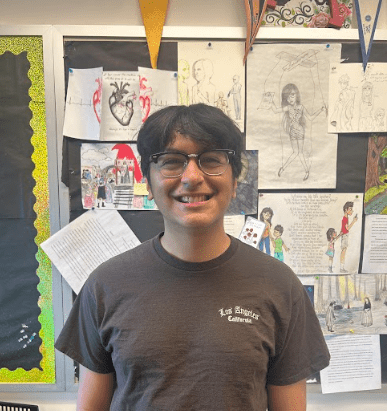

Written by Isaac Villegas, Staff Writer
This is the sequel to “Humans of Poly High,” an article diving into the lives of the people here at Poly High School.
Six months ago, I wrote an article exploring the personal lives of the humans here at Poly High School. The interviewees went in depth on their current lives, what they were struggling with, and who was by their side helping them get through it. Shortly after, I thought about how different people would respond when asked about the past rather than their current situation. Because of this, I decided to interview a new cluster of people and have them reflect on what has led them up to this point and what advice they would give to others.
This article was inspired by Brandon Stanton’s “Humans of New York (HONY),” a 2010 photography/storytelling project in which he interviewed strangers in New York City about their lives.
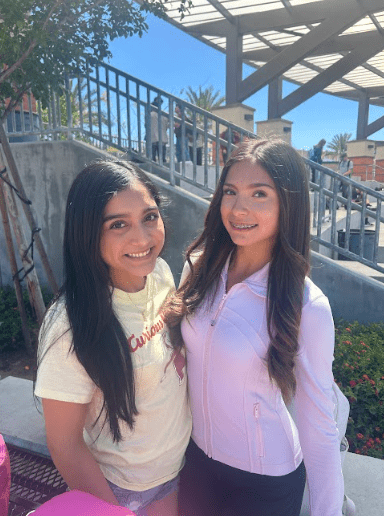
Isabelle Aguirre (10) and Angelyn Soria (10) have very common life paths and beliefs. When asked about what they would say to their younger selves, Aguirre commented “don’t be mad at God,” while Soria stated “to not be mad at the world.” In regards to the former, she explained how angry she was at God when her grandfather passed, but she later learned that although life will throw many unexpected and difficult challenges at you, “you can’t let that stop you from continuing your life.” Meanwhile, Soria mentioned how her childhood anxiety deeply affected her growing up, but also realized as she continued to grow that “everything’s gonna be okay.”
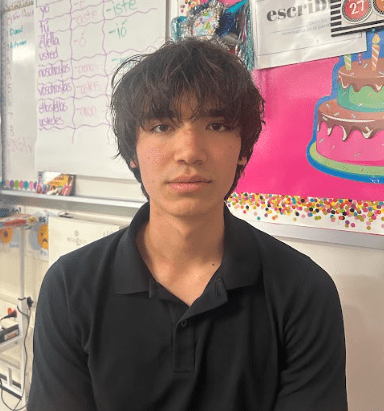
Kien Biggs (12) said that a lesson he learned the hard way was that not everyone in your circle may have your best interest. Additionally, he also made note of the fact that there is meaning behind everything. “There’s always a point to things you do and things you encounter,” Biggs said, so one might as well not have a nihilistic viewpoint on things because “you just kinda have to look for a deeper meaning.”

When asked about his biggest regret, Randy Deharo (12) said it was not spending more time with his grandfather. “It’s more of a family thing than it is me,” he mentioned. Deharo also related that his biggest fear is being alone forever since he’s “always kinda liked being with someone” in general.
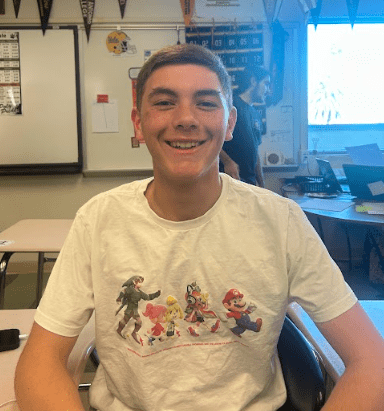
A word of advice that Jacob Flores (10) would give to someone is “to look past the past.” He explained how he used to be of a different size in middle school before losing weight and when he came to high school, he still felt worthless despite everyone seeing him differently. Later, Flores finally “focused on being more happy, looking at the new, thinking about all the friendships and the new paths [he has] taken and the opportunities [he has] got,” which have helped him greatly.
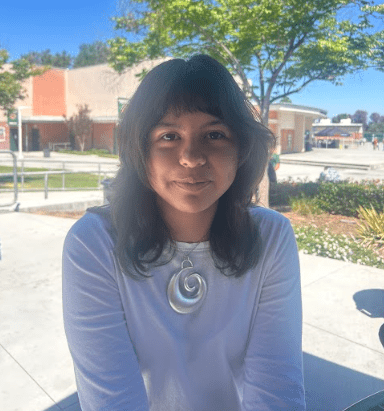
A big regret for Isabella Giordano (9) is how she did not take chances to talk to new people when she was able to. Similarly, a piece of advice that she would give to someone is to face their fears. “If you’re scared to talk to someone you like, if you’re scared to wear something, if you’re scared to be yourself, just do it,” Giordano said simply.
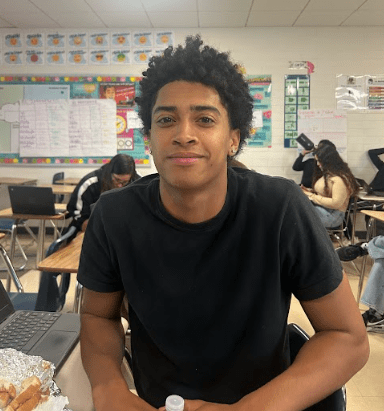
Salah Marquez-Carter (12) stated that his biggest regret is not doing more extracurricular activities in high school because he feels that he did not do all that he could outside of school. However, he flips his story on the positive side by giving advice to invest in oneself. “I think confidence is such a big thing that you need to have,” Marquez-Carter noticed.
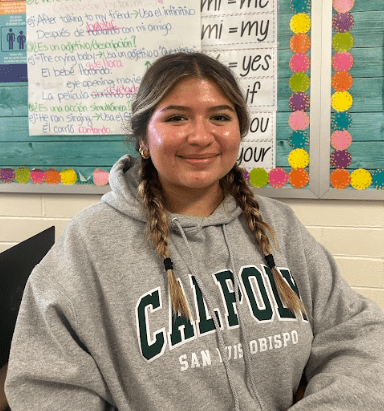
A lesson that Sophie Moran (12) learned the hard way through her AP Calculus class was that you will not see any results without putting in the effort. She explained that she tried in the beginning of class, but ended up giving up. Additionally, a word of advice Moran would give to someone is to “put yourself out there” because although she is proud of the choices she has made thus far, there are also times she wishes she would have “taken that leap.”
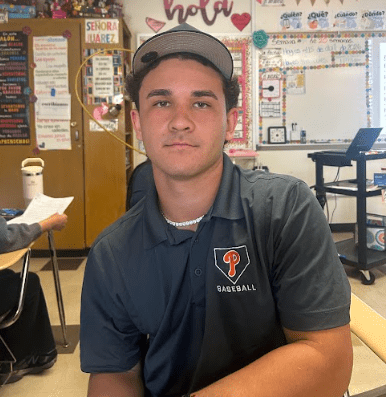
Michael Neri (12) stated that he believes the purpose of life is to be happy since there is really no point if one is miserable with their life. Also, a word of wisdom he would give to someone is that “you have more time than you think.” Neri explains how he had a rough baseball season his junior year, however, he still feels it all worked out for him.
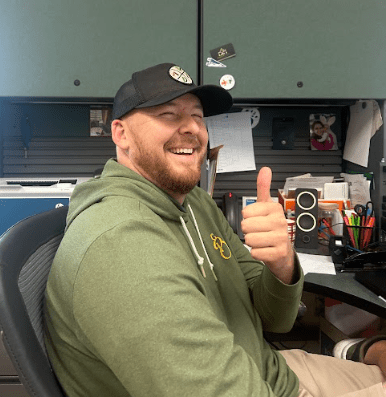
Mr Schulte, Poly’s AVID coordinator, said that his biggest fear is prioritizing money over the way his family functions. He noticed that “when you talk about money too much, it can make it seem like you care more about money than the people that you’re speaking to.” Additionally, Schulte commented on how he thinks the purpose of life is to see how good you can be to others since he believes in “a common good” and would like to grow in a society that is thoughtful and kind to one another.
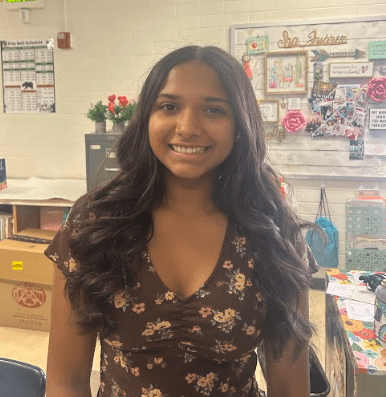
Autumn White (12) noted that one of the kindest things someone has ever done for her was when one of her friends coordinated a large and eventful birthday gift where she continued to receive small presents throughout the day and letters from her loved ones. She remembers feeling “so loved and seeing everyone who loves [her] support [her]” that it brought her to tears. Also, a word of advice that White would give to someone is to simply do it, whether it be while feeling scared, nervous, happy, or anything else.
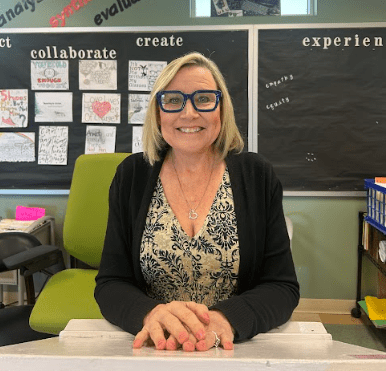
Mrs Yeyna: AP Language & Comsposition Teacher, Poly Spotlight Advisor, and English Department Chair believes that her life’s purpose has changed many times over her life, but currently she thinks it is to give more than she takes. “It’s hurtful to hear that someone doesn’t like you when all you’ve done is give everything you have to try to help them,” she commented in relation to her personal philosophy. Also somewhat related, Yeyna recognized that one of the kindest things someone can do to her is to simply reach out, whether it be through an email from an old student who recently landed a job and took time out of their day to message her or anything else.

A lesson that Jaden Zuniga (10) learned is that some people can be fake, clarifying that he has witnessed it through family and friends of friends even though he has not experienced it himself. Additionally, a piece of advice he would give to someone is to simply be authentic and to not try to be someone they are not. Zuniga mentioned that he does not “like when people are fake […] and lie to your face.”
Once again, hundreds of stories have slipped through the cracks and did not get the chance to be told. I highly encourage you all to not feel afraid to tell someone about what you are/were struggling with, and to engage in an act of kindness and ask someone about themselves; that small bid for connection could make a great difference in their day.